
Boudica: Fury Against an Empire
Roman statues depict her as a wild barbarian—yet her rebellion shook Nero to his core.
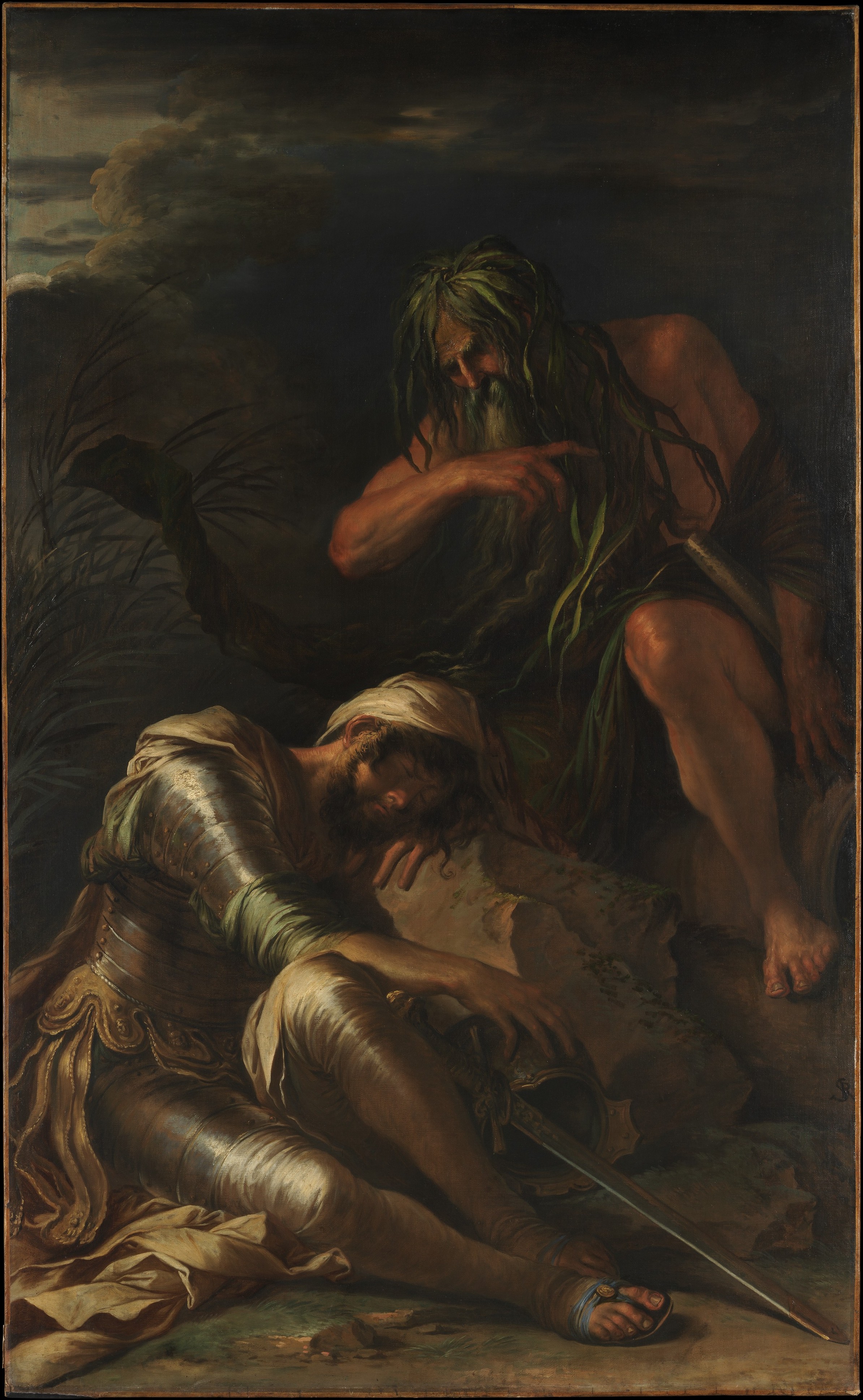
Salvator Rosa — "The Dream of Aeneas" (1660–65), public domain
Bronze and Rage: Boudica’s Image
The Romans cast Boudica as a wild-haired, screaming figure—a chaos they claimed to have tamed. But her revolt left Rome’s most disciplined generals stunned, watching Colchester burn and London abandoned.
A Calculated Uprising
Boudica wasn’t just raging—she was leading. Tacitus describes her rallying neighboring tribes, forging alliances where there had only been feuds. Her stand almost broke the imperial hold on Britain.
The Empire Remembers
After her defeat, Rome wrote her story as a warning. But in Britain, Boudica’s name quietly endured—an ember of revolt against any power that claimed to be eternal.
Boudica led a revolt that torched Roman cities and nearly drove the legions from Britain. Her uprising was fueled not just by personal vengeance, but by a calculated attempt to unite tribes long at odds. Ancient Roman texts, like Tacitus’s *Annals*, describe her riding ahead of her warriors, spear in hand, gold torque flashing. The empire saw her as chaos incarnate—but her name became a byword for resistance.
