
Crassus and the Sands of Carrhae
A Roman general’s greed for glory led an entire army into the open desert—where 10,000 horse archers waited silently, invisible in the dust.
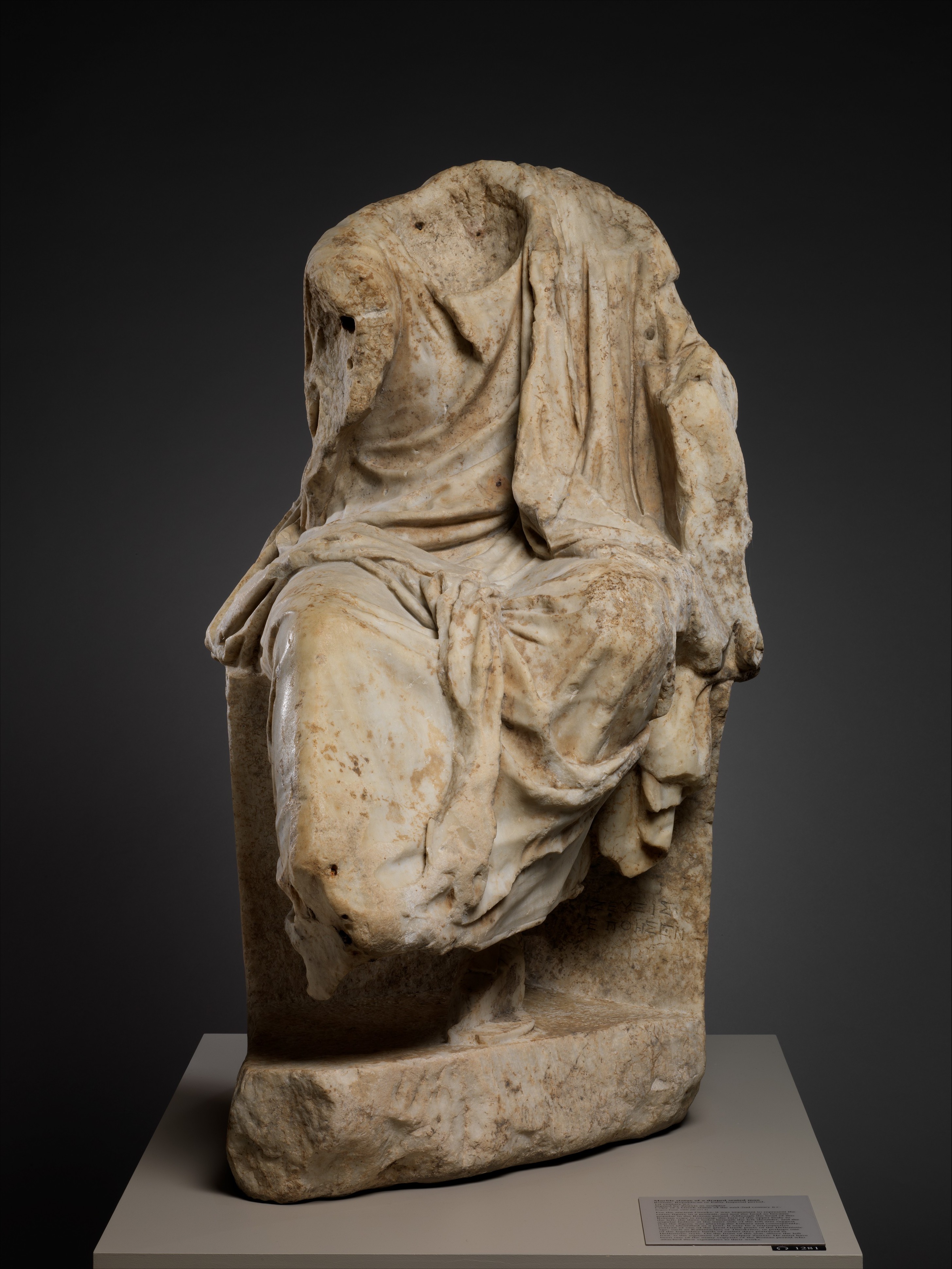
Zeuxis — "Marble statue of a draped seated man" (1st century BCE), public domain
Crassus Chases Shadows East
Marcus Crassus—the richest man in Rome—longed for a victory to match Caesar’s in Gaul and Pompey’s in the East. In 53 BC, he marched into Parthia with 40,000 men, imagining an easy loot of noble cities. Instead, he found endless plains, few towns, and a Parthian force that refused to stand and fight.
Death from the Dust
Near Carrhae, Parthian horse archers circled the thirsty Romans, loosing arrows by the thousands. The Roman line dissolved under a rain of missiles, their shields useless in the open sand. Crassus’ son died leading a failed cavalry charge; Crassus himself was killed during doomed negotiations.
Rome Stunned, East Ascendant
Carrhae was a disaster: over 20,000 Roman soldiers killed, banners lost, eagles carried off. Rome’s image of invincibility shattered. Ancient sources whisper that the Parthians poured molten gold down Crassus’ throat—poetic justice for a man obsessed with wealth.
The annihilation of Crassus’ legions at Carrhae shattered Roman prestige and upended the delicate balance of power in Rome—triggering a spiral that led to civil war.
