
On This Day: Athens Marks the Autumn Equinox
Around September 21, the sun stands still: day and night finally balance. In ancient Athens, this moment was sacred—an invisible hinge in the year.
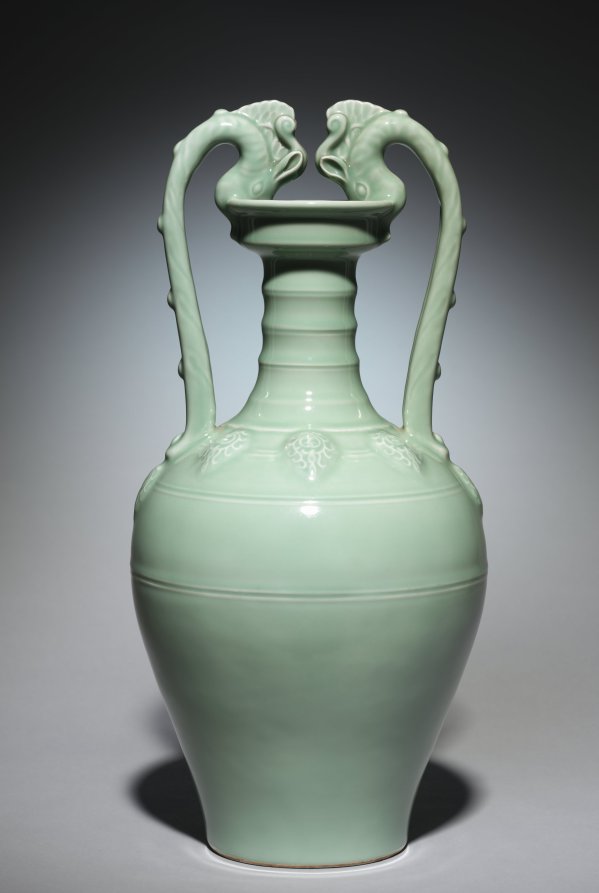
Unknown — "Amphora Vase" (1723–35), CC0
The moment day and night hold even.
Around September 21, ancient Athenians watched the sun wheel lower. This was the autumnal equinox—when the world itself seemed to draw a breath. The change was subtle, but farmers, priests, and poets all felt it.
Time to harvest, time to hope.
The equinox signaled the last rush to bring in grapes, ready old fields for the plow, and prepare for the season of festivals. Dionysos loomed in the imagination, promising new wine and unpredictable revelry. Fate, like the weather, seemed to tip on its axis.
For the city, the equinox was more than astronomy. It set the rhythm for festivals, the start of farm chores, and the shifting winds of fate.
