
Attalus III, The King Who Gave Away His Crown
Attalus III of Pergamon rewrites his own legacy on his deathbed—his entire kingdom gifted to Rome, down to the last coin and city.
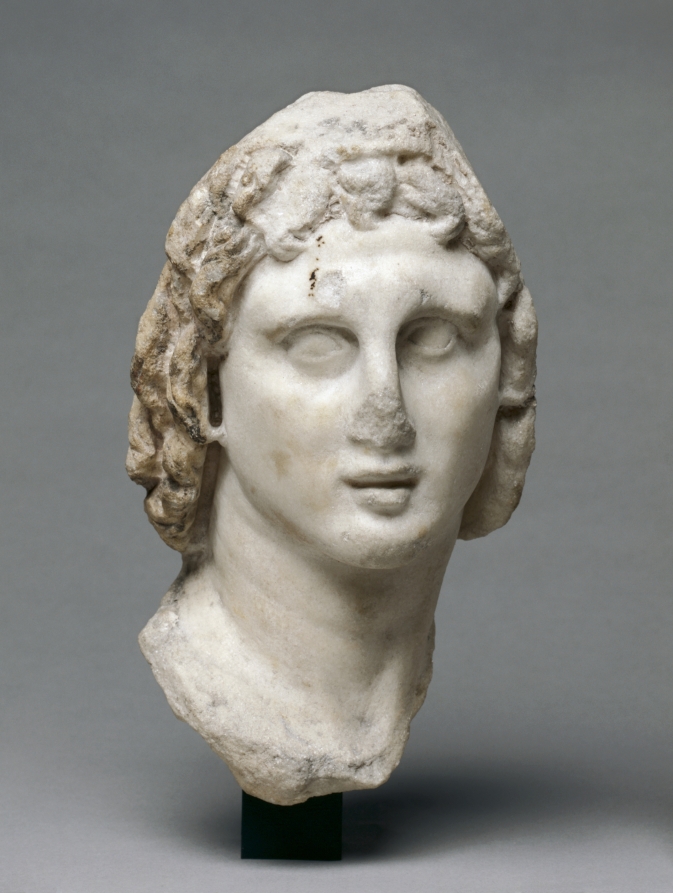
Unknown — "Head of Alexander the Great" (c. 300–200 BCE), CC0
A King’s Last Will: Pergamon for Rome
Attalus III, last king of Pergamon, had no children. As he lay dying in 133 BCE, he ordered his entire kingdom—palaces, cities, libraries—be handed to Rome as a gift. No war, no siege, just ink on parchment.
Fear, Pragmatism, or Despair?
The world was full of conquerors. By Attalus’s time, Rome’s power loomed over Asia Minor. Rather than risk civil war or invasion, he chose peace through capitulation. His people, unconsulted, woke up as Romans overnight.
Legacy of a Silent King
Pergamon’s treasures filled Roman temples, its scholars scattered, its name faded. Attalus III remains a footnote: the king who quietly erased his own country—hoping, perhaps, to spare it something worse.
He could have named an heir, but he signed Pergamon over to the Romans—ending two centuries of independence with a stroke of a pen. Some say it was fear, some fatalism. Either way, it was a king’s surrender to the tides of history.
