
Attalus II Philadelphus: The Brother Who Would Not Betray
He was offered the crown and his brother’s wife, but Attalus refused—choosing loyalty over a kingdom.
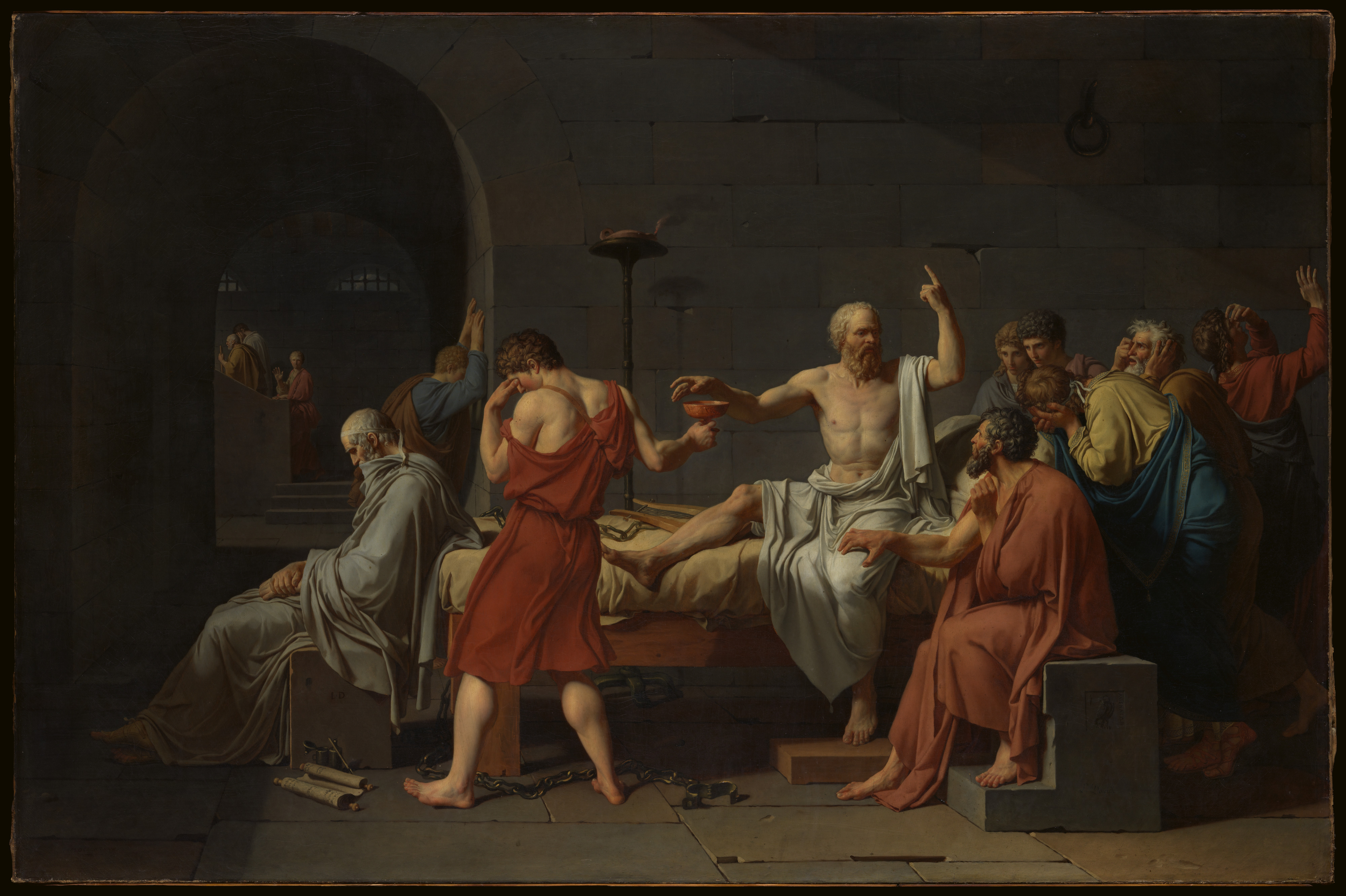
Jacques Louis David — "The Death of Socrates" (1787), public domain
Loyalty, Not Ambition
When the king died, Pergamon’s nobles urged Attalus to take the throne. They even offered him his brother’s widow. Instead, Attalus held the line, refusing to betray blood.
A Kingdom Built on Trust
Greek crowns changed hands by knife and poison—yet Attalus stayed second, ruling only as regent and stepping back when his brother was found alive. He built libraries, city walls, and alliances, all while letting others underestimate what loyalty could achieve.
The Forgotten Virtue
Attalus finally became king, but only after his brother’s real death. His restraint echoes down the centuries—a rare ruler remembered more for what he refused to take than what he claimed.
Attalus II was handed every reason to seize power in Pergamon, but he stunned the court by stepping aside when his brother returned. In an age of family murders and palace coups, he stayed the loyal second—and only ruled when there was no one else left. He built a kingdom, brick by brick, on fidelity, not blood.
