
Was Athens a Beacon of Ancient Freedom?
Athens is always cast as the birthplace of democracy, a city of free citizens debating in the Agora. But in Pericles’ Athens, nearly a third of the population lived enslaved—no rights, no voice, no freedom.
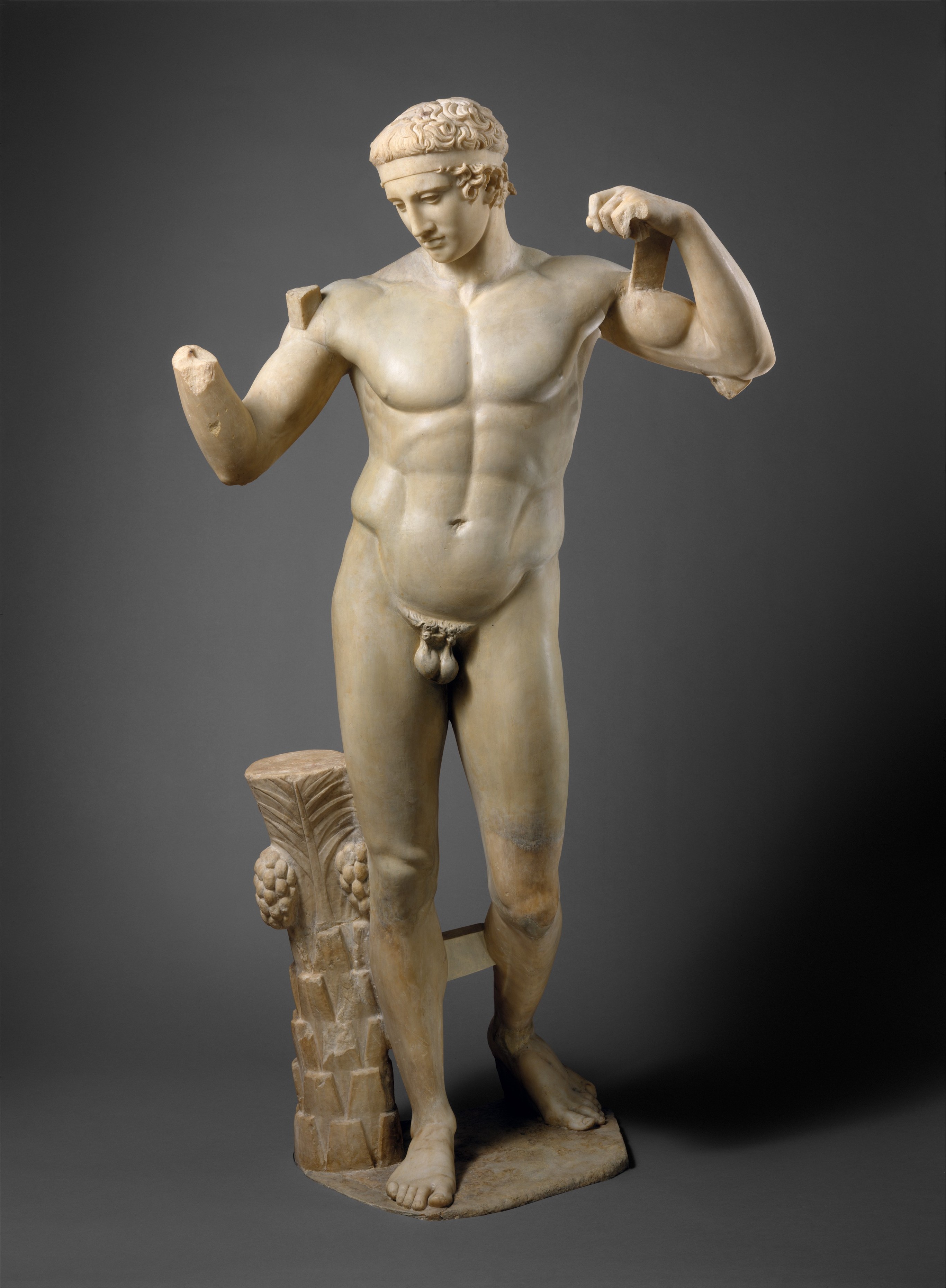
Polykleitos — "Fragments of a marble statue of the Diadoumenos (youth tying a fillet around his head)" (ca. 69–96 CE), public domain
The myth of universal Athenian freedom.
Democracy, debate, philosophy—Athens gets credit for inventing freedom. We imagine a city where every citizen had a voice, and liberty was in the air. But that’s only half the story.
A society built on slavery.
For every free Athenian, there were at least two or three people with no rights at all—slaves. Some toiled in silver mines, dying young. Others staffed kitchens, built temples, and even taught children. Athens could host dazzling debates because others carried the burden.
Why do we forget the slaves?
Ancient writers rarely mentioned the enslaved—unless complaining about them. Textbooks have followed suit, focusing on the marble and the men who owned it. True democracy in Athens meant freedom for a select few, built on the silent majority who never saw the Pnyx.
The city that invented democracy kept its streets running on the backs of tens of thousands of enslaved people. This wasn’t hidden: slaves worked everywhere from silver mines to private homes, and their labor underpinned Athens’ golden age.
