
The Hermae Scandal Before the Sicilian Expedition
On the eve of Athens’ greatest gamble, statues all over the city were found beheaded — and panic set in.
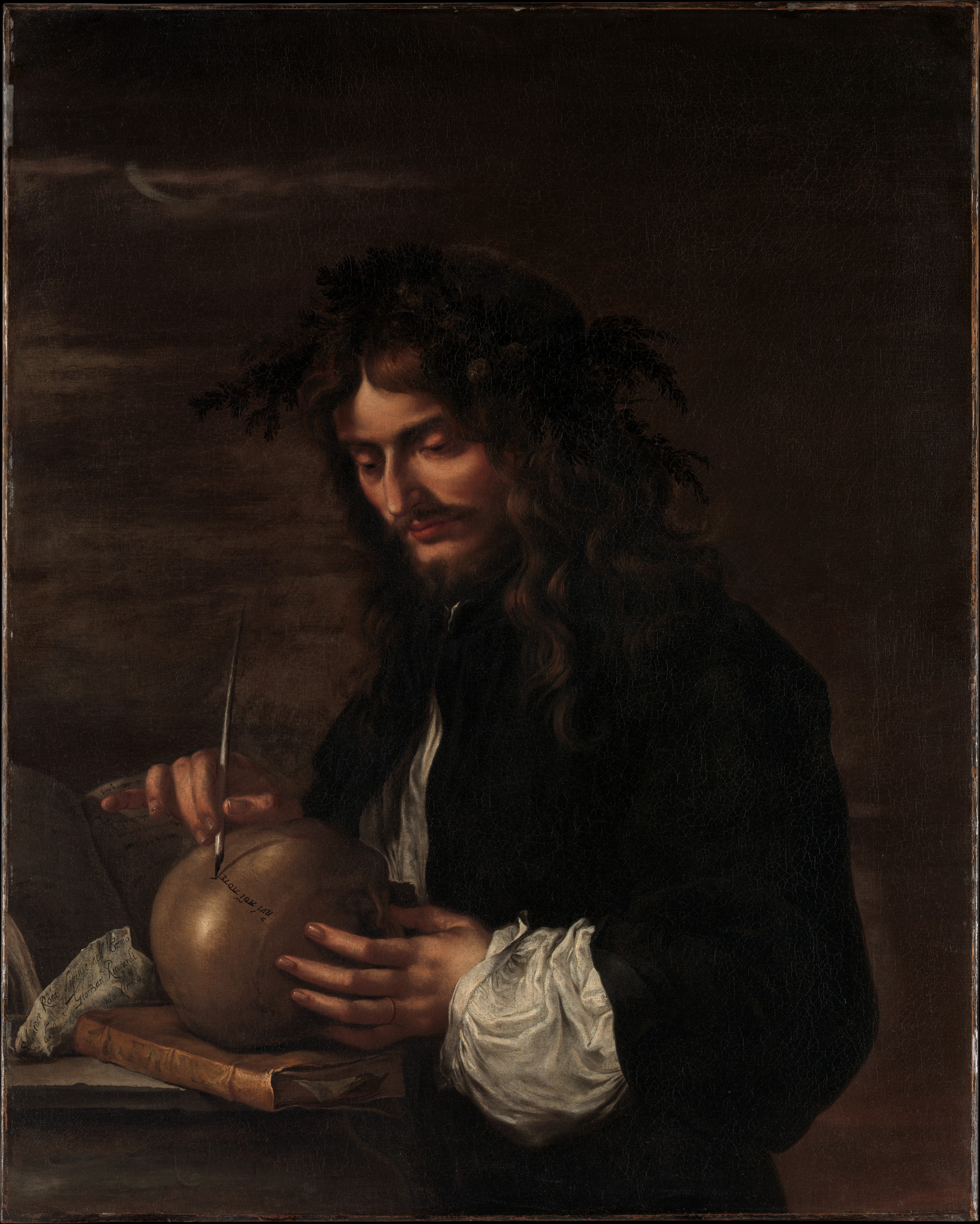
Salvator Rosa — "Self-Portrait" (ca. 1647), public domain
Athenian night of broken faces.
In 415 BC, someone mutilated the city’s sacred hermae — square stone pillars with the heads (and genitals) of Hermes. In the morning, Athenians woke to headless statues. For a superstitious city about to send thousands of men to war, it felt like a message from the gods.
Panic breeds suspicion.
The city turned on itself. Political enemies accused Alcibiades, the charismatic general, of impiety and conspiracy. Trials and exile followed. The expedition—already risky—sailed with its best leader disgraced and enemies at home.
Faith and fate collide.
The Sicilian Expedition ended in disaster. For many Athenians, the omen had been clear all along. The hermae’s mutilation didn’t just scar the city—it became the symbol of Athenian overreach and the dangers of collective hysteria.
A wave of religious anxiety and political paranoia nearly derailed the Sicilian Expedition before it began. The mystery of the vandalized hermae exposed deep divisions in Athenian society.
