
Athenian Women and Public Life
Textbooks love this myth: Athenian women never left the house, living in permanent lockdown. But step into the Agora on festival day and you’ll see crowds of women, children, even grandmothers—all out in public, draped in bright robes.
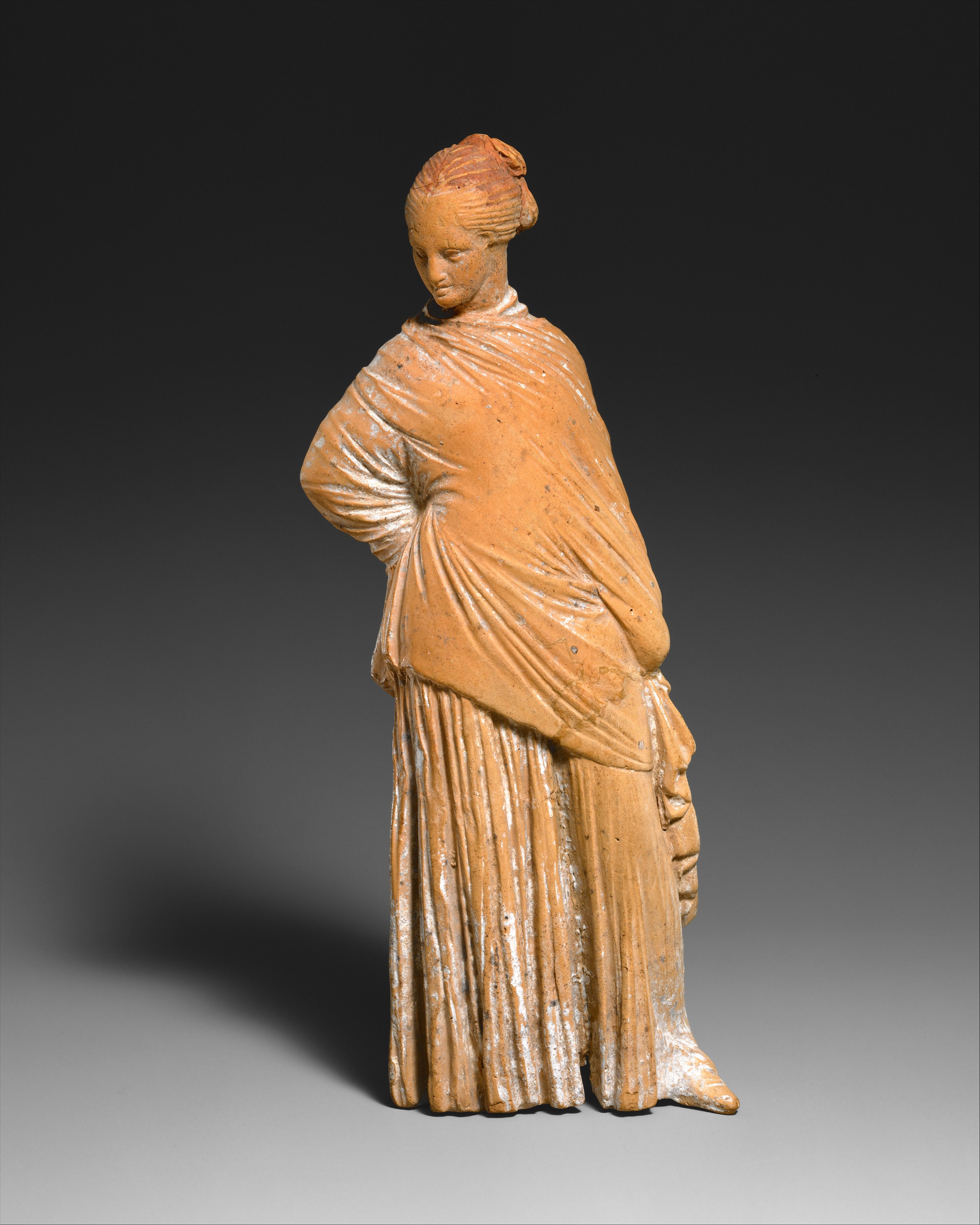
Unknown — "Terracotta statuette of a standing woman" (late 4th–early 3rd century BCE), public domain
The myth: Athenian women lived locked away.
The standard line? Athenian women never left the home. Wives and daughters, hidden behind walls, barely glimpsing sunlight from the courtyard. It’s the image every intro to Greek history pushes—private, passive, invisible.
Women in the crowd: a different story.
But the evidence stacks up differently. Inscriptions name priestesses and festival leaders. Votive offerings and grave markers show women traveled to sanctuaries, markets, and public rituals. The Panathenaic procession marched across the whole city—and women walked at its heart.
Why does the myth linger?
Nineteenth-century scholars—mostly men—loved a story of strict separation, inspired by a few elite houses and Plato’s daydreams. But most women in Athens, rich or poor, shaped the city’s daily life, out in the sun and the dust, far more often than we’re told.
Evidence from festivals, religious ceremonies, and market transactions shows Athenian women moved through the city far more than the textbooks suggest. Their public visibility was woven into the rhythms of Athenian life.
