
Athenian Water Clocks Kept Courtroom Arguments Short
In an Athenian courtroom, your fate could hang on the drip of a water clock.
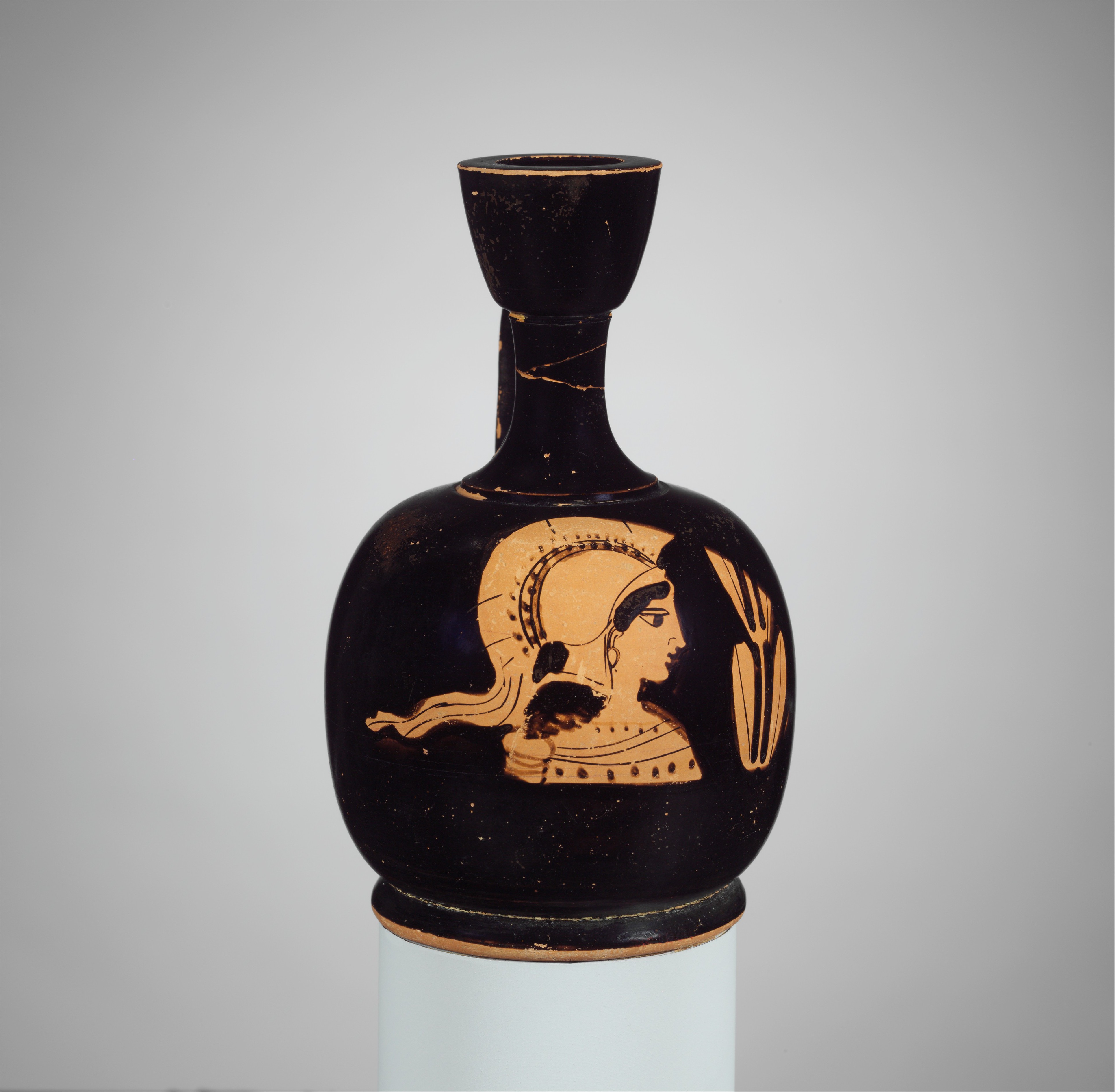
Unknown — "Terracotta squat lekythos (oil flask)" (5th century BCE), public domain
Courtroom Arguments on the Clock
In ancient Athens, court cases could take just minutes. A clay water clock—klepsydra—dripped away as speakers rushed through their arguments. No exceptions: when the water was gone, so was your time.
Why So Strict?
Athenians trusted juries of hundreds, but feared long-winded speeches and bribes. Water clocks forced fairness and speed. Archaeologists have found the actual clay clocks—still stained by minerals from the wells.
Trials in ancient Athens ran on a strict time limit, measured by a clay water clock called a klepsydra. No dramatic speeches—when the water ran out, your turn was over, whether you were finished or not. Justice by the minute, not the hour.
