
Athenian Silver Mines: Not Chains and Whips
You picture hundreds of slaves, shackled in dark tunnels, whipped by overseers as they claw silver from the earth below Athens.
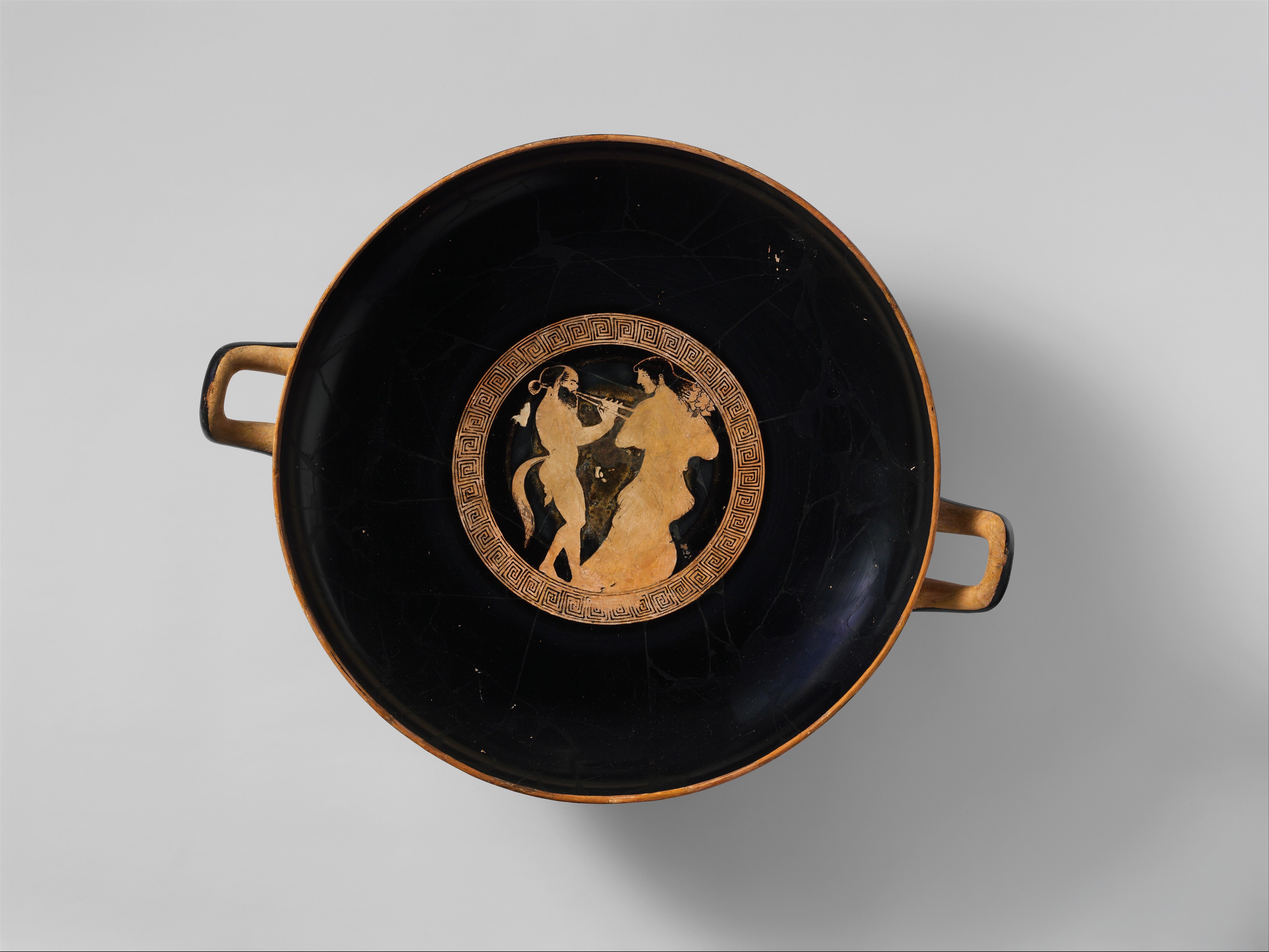
Hieron — "Terracotta kylix (drinking cup)" (ca. 480 BCE), public domain
Slaves, shackles, darkness—classic image.
The story goes: Athenian slaves were herded in chains into the silver mines at Laurion, forced to dig in misery while overseers wielded whips. It’s a scene from every textbook and pop history doc—cuffs jangling, whips cracking, human misery made iron.
Reality: No chains, just terror and dust.
Archaeologists have found pickaxes, lamps, and child-sized helmets at Laurion—but hardly any shackles. The tunnels were so cramped and deadly, escape was nearly impossible. Slaves toiled in groups, not always chained, because what kept them inside was the earth itself: the constant risk of collapse, suffocation, or poison.
Where did the chains myth come from?
Victorian writers and modern films love their shackled slaves—it draws a crueller picture. But ancient sources like Xenophon mention the mines’ horror, not iron fetters. Chains are a modern shorthand for suffering, but the reality was more mundane—and, in some ways, even worse.
The horror was real, but the image of chains and overseers is off. Most Laurion mine slaves weren't manacled—dangerous enough without it. Archaeological finds reveal tools, helmets, and cramped shafts but no mass of shackles—death by cave-in was punishment enough.
