
Greek Philosophers and Manual Labor
Greek philosophers lounged in togas, never lifting a finger. Manual labor? Below their dignity, right?
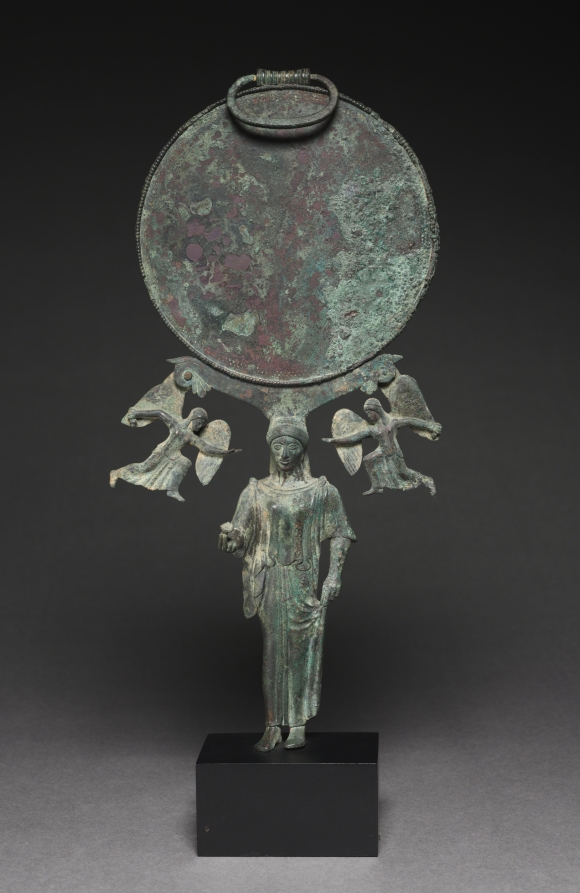
Unknown — "Mirror" (c. 470–460 BCE), CC0
The myth: philosophers, soft hands only.
The classic image: philosophers in Athens, draped in white, debating for hours while slaves pour the wine and sweep the floor. Ancient wisdom was for thinkers, not doers. The dirty work was left to others.
In reality, hands-on thinkers.
Socrates learned philosophy while cutting stone. Cleanthes, stoic philosopher, carried water jugs by night to pay for his studies. Zeno of Citium sold goods at a market stall. For many, philosophy meant working as well as thinking—life lessons learned through calloused palms.
A myth built by later snobbery.
Later writers, especially in Rome, looked down on manual labor as low status. Over centuries, the image of the idle, soft-handed philosopher stuck—erasing a whole tradition of physical work and learning together.
Socrates was a stonecutter, Cleanthes drew water all night, Zeno ran a market stall. For many thinkers, using your hands was part of the philosophical life, not its opposite.
