
The Athenian Mutiny on Samos
A handful of sailors in exile toppled a whole government—while the home city turned tyrant behind their backs.
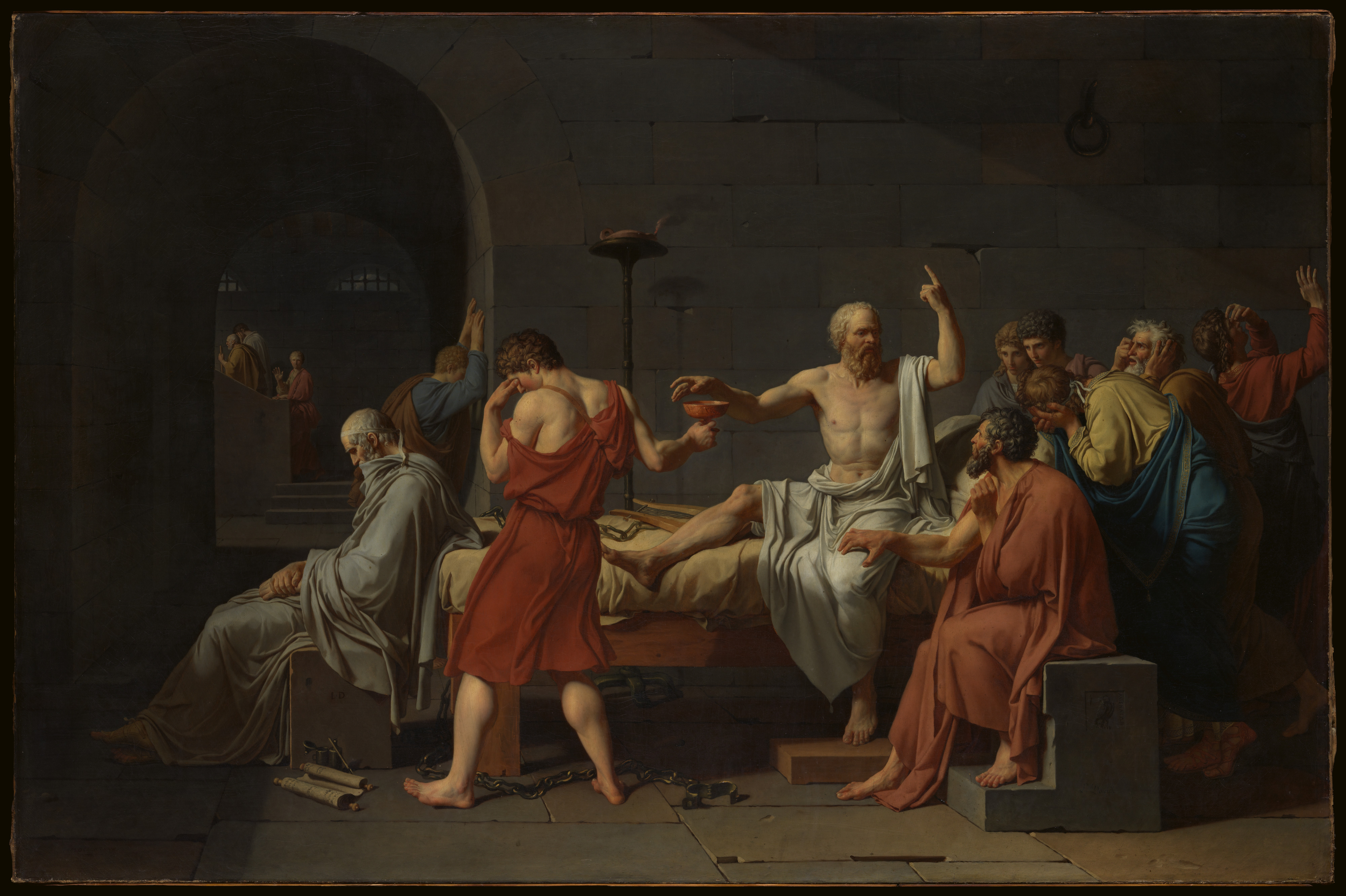
David — "The Death of Socrates" (1787), public domain
Democracy in exile.
In 411 BC, news reached the Athenian fleet at Samos: a group of oligarchs had seized power back home. The sailors, already battered by war and far from friends, chose mutiny over surrender. Instead of submitting, they held a vote—right there at anchor.
Fleet as parliament.
With the city lost, the fleet became Athens. Thrasybulus and the general Thrasyllus rallied thousands in an open-air assembly, swearing an oath to defend democracy at sea. They nearly sailed for home—planning to retake their city from their own countrymen.
A city can fit onto ships.
For months, the fate of Athens hung not in marble halls but on the decks of sprawled triremes. The threat worked; the new regime at home never dared attack the navy. Sometimes, a government is wherever people decide it lives.
The Athenian fleet, stranded on Samos, refused the news of a coup at home. Instead, they declared their own democracy and threatened to sail back and restore it by force.
