
Athenian Jury Trials: Hundreds of Citizens, All Day Long
A single Athenian jury could have 500 citizens crammed into one room.
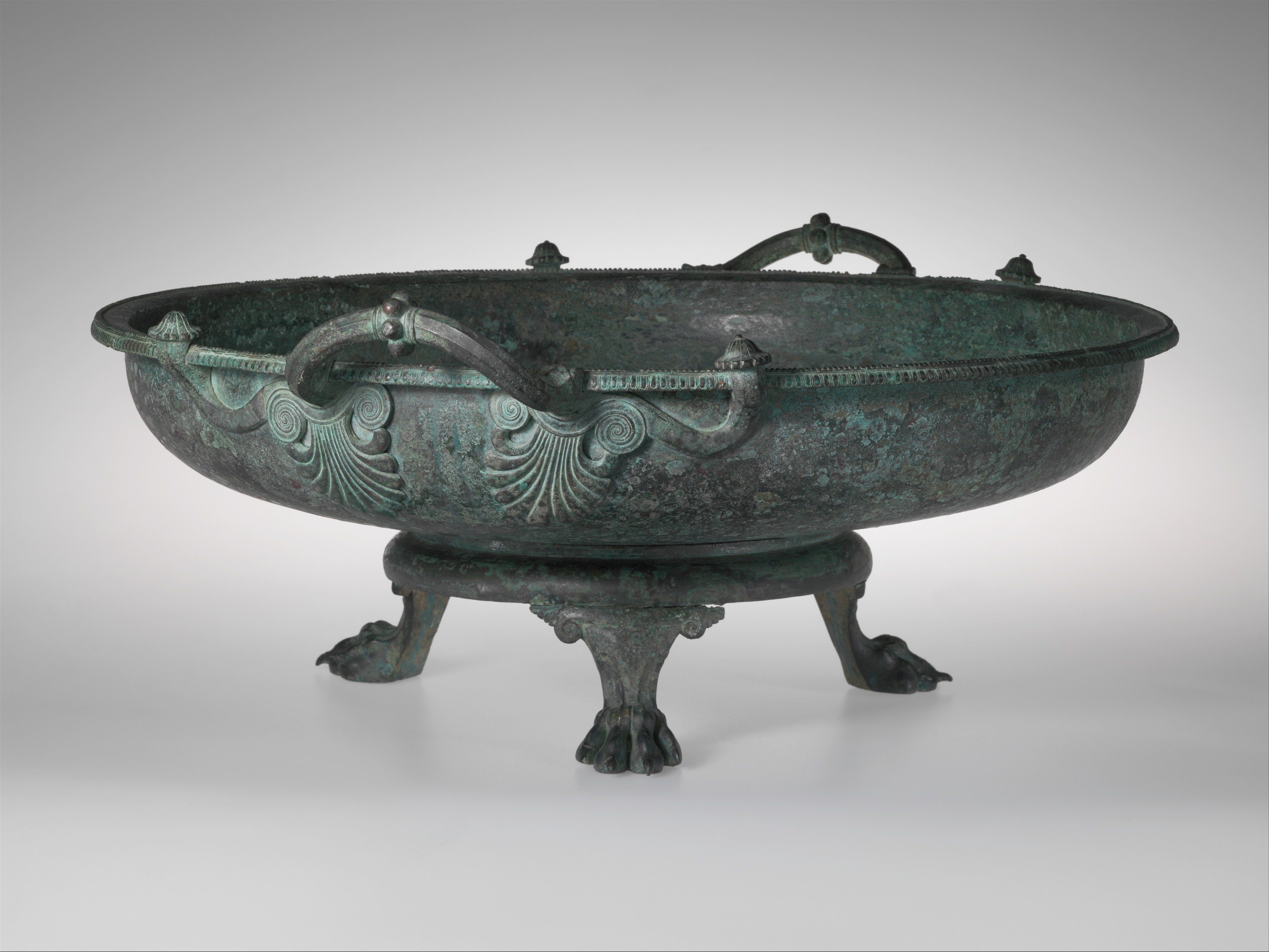
Unknown — "Bronze footbath with its stand" (late 5th–early 4th century BCE), public domain
A Jury Room for 500
In Athens, a serious trial meant packing hundreds of citizens—men over 30—into a room with stone benches. Juries of 500 or even 1,500 were not unusual, especially for important cases. It wasn’t always comfortable: sources mention noise, squabbling, and the constant scrape of wax tablets as voters tallied up.
When Justice Went Prime Time
Jurors were chosen by lottery each morning, making bribery tough but not impossible. They listened to speeches (timed by water clocks), then dropped bronze ballots to decide guilt or innocence. The sheer size of the jury was meant to guard against corruption—and maybe to let everyone in on the drama.
Most trials in classical Athens were judged not by a single magistrate, but by enormous juries—sometimes 500, even 1,500 men, picked by lottery that morning. No lawyers arguing cases, no judges as referees: ordinary Athenians listened, voted, and decided, often in a single day. The system relied on numbers and speed to keep powerful speakers in check—and it turned the law courts into one of the city’s great social spectacles.
