
Athenian Jury Pay—Stamped Coins for a Day’s Judging
In Athens, a juror’s pay jingled in his pouch—three stamped coins, minted just for courtroom duty.
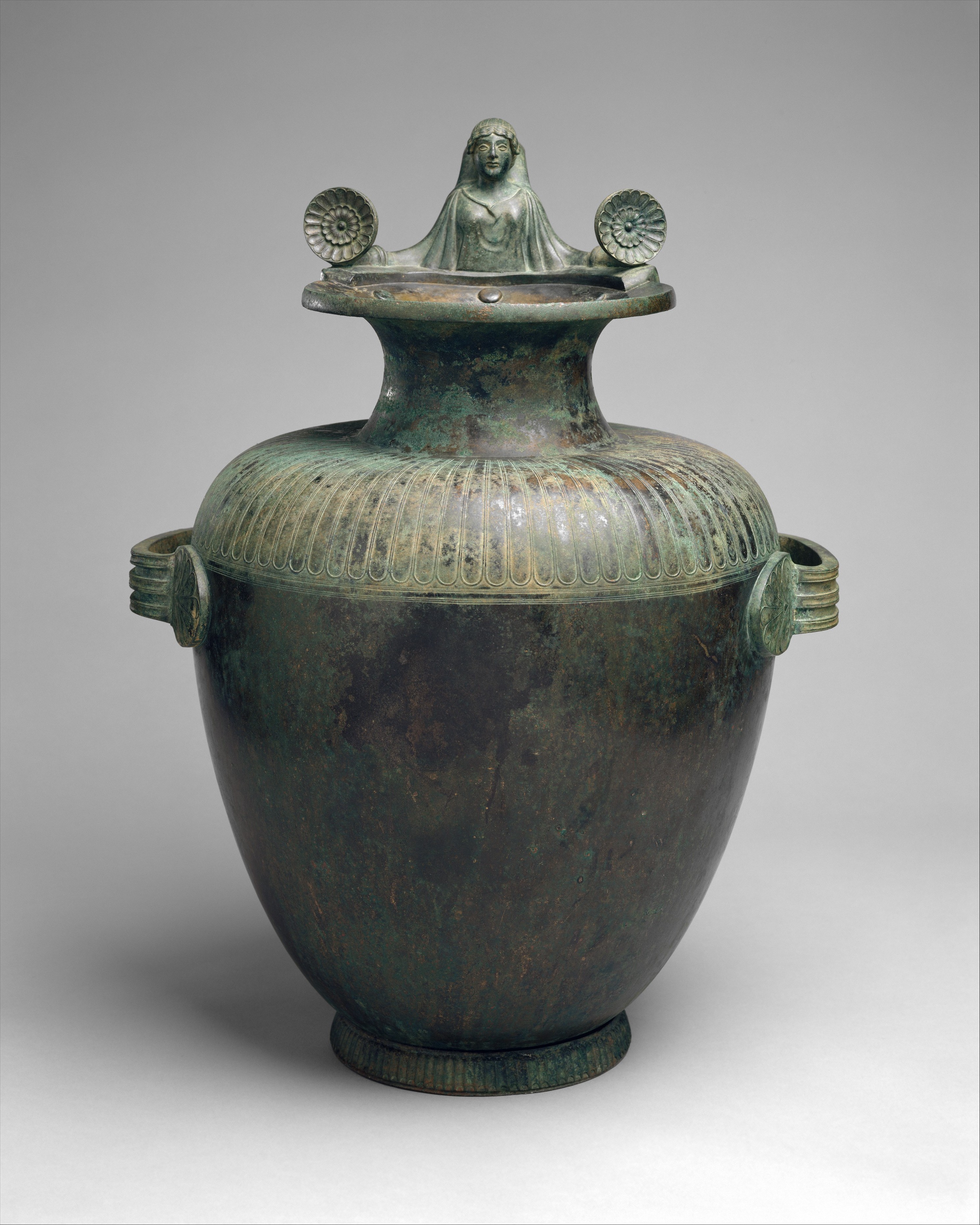
Unknown — "Bronze hydria (water jar)" (mid-5th century BCE), public domain
Stamped Coins for Jury Duty
In ancient Athens, jurors were paid for their service with stamped, official tokens—called ‘dikastic’ coins. These coins often featured the iconic owl and could only be exchanged for real money at city offices.
How to Buy Justice, 5th-Century Style
The tokens made jury service attractive to poor citizens, turning legal participation into a paid gig. For some, jury duty became a regular income—an Athenian original in the history of civic pay.
To lure citizens out for jury service, the Athenians didn't just rely on patriotism—they printed special coins for the job. These 'dikastic' tokens were marked with an owl and handed to jurors after a long day of weighing murder, theft, or exile. Imagine voting on someone’s fate, and your reward is a handful of coins that only a fellow Athenian would recognize. Justice, paid daily—in cold, silvery cash.
