
On This Day: The Dog Days Begin in Athens
Around June 30, Athenians felt the sun’s grip tighten. The Dog Star, Sirius, was about to rise—heralding the sweltering ‘dog days’ of the Greek summer.
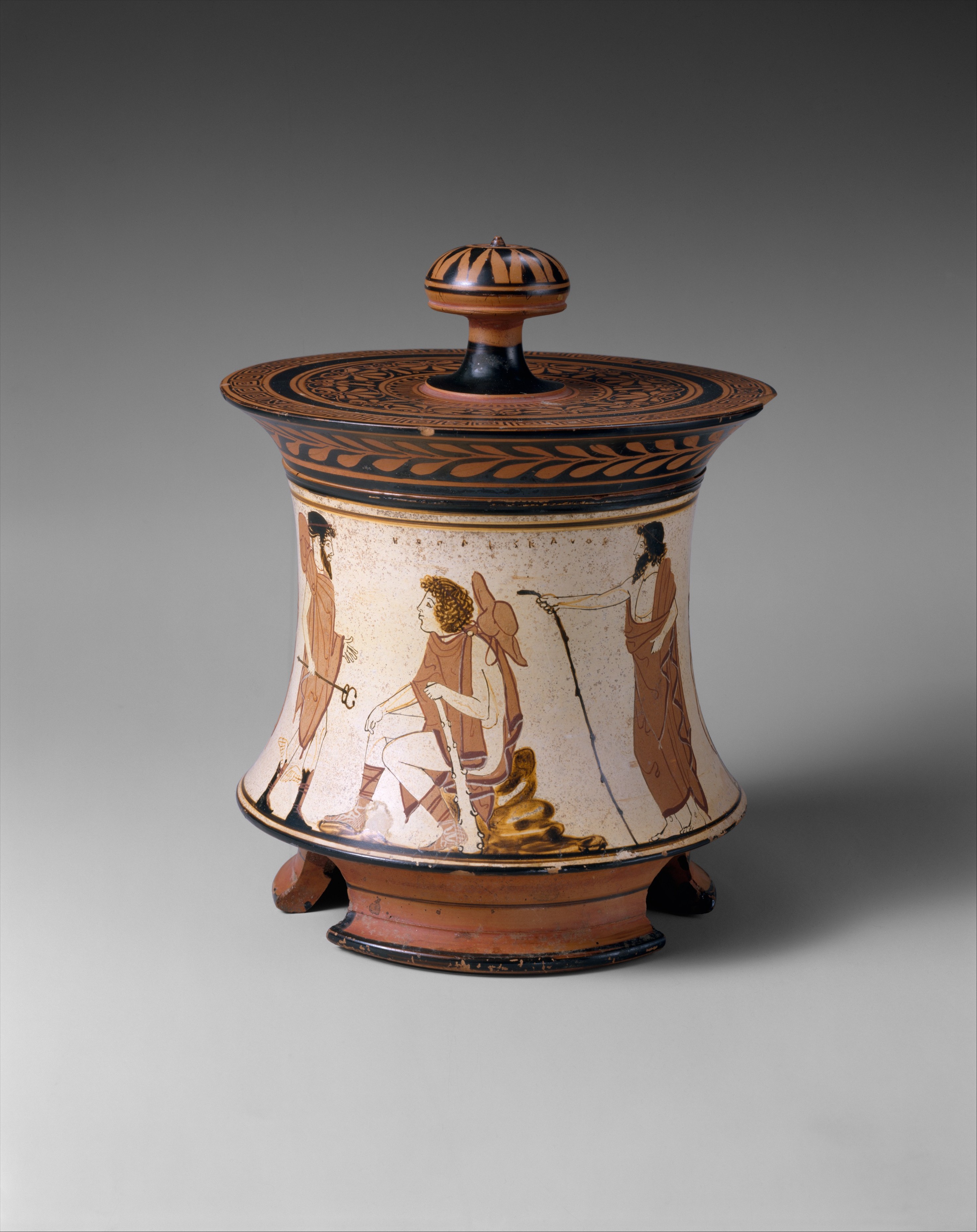
Penthesilea Painter — "Terracotta pyxis (box)" (ca. 465–460 BCE), public domain
Sirius rises, Athens sweats.
By late June, Athenians watched the dawn sky for a flicker—the first heliacal rising of Sirius. Its appearance warned that the hottest, most restless season had begun. The ‘dog days’ were dreaded for fevers, drought, and tempers on a hair trigger.
Rituals for survival.
Ancient Greeks adjusted their rhythms: avoiding the midday sun, offering sacrifices to Helios and Apollo, and praying for breezes. Stories warned that even dogs went mad and wine soured in the jug when Sirius blazed.
A heatwave with a mythic bite.
The dog days still haunt our language. For Athenians, they were more than just weather—they were a challenge from the gods, when reason and health both threatened to melt away.
For ancient Greeks, the rising of Sirius marked the year’s hottest, most dangerous weeks. Fields wilted, tempers frayed, and rituals shifted to appease angry gods and guard against fevers.
