
Athenian Democracy: Not for All
Think every free man in Athens had a vote? The 'birthplace of democracy' was built on thousands left voiceless.
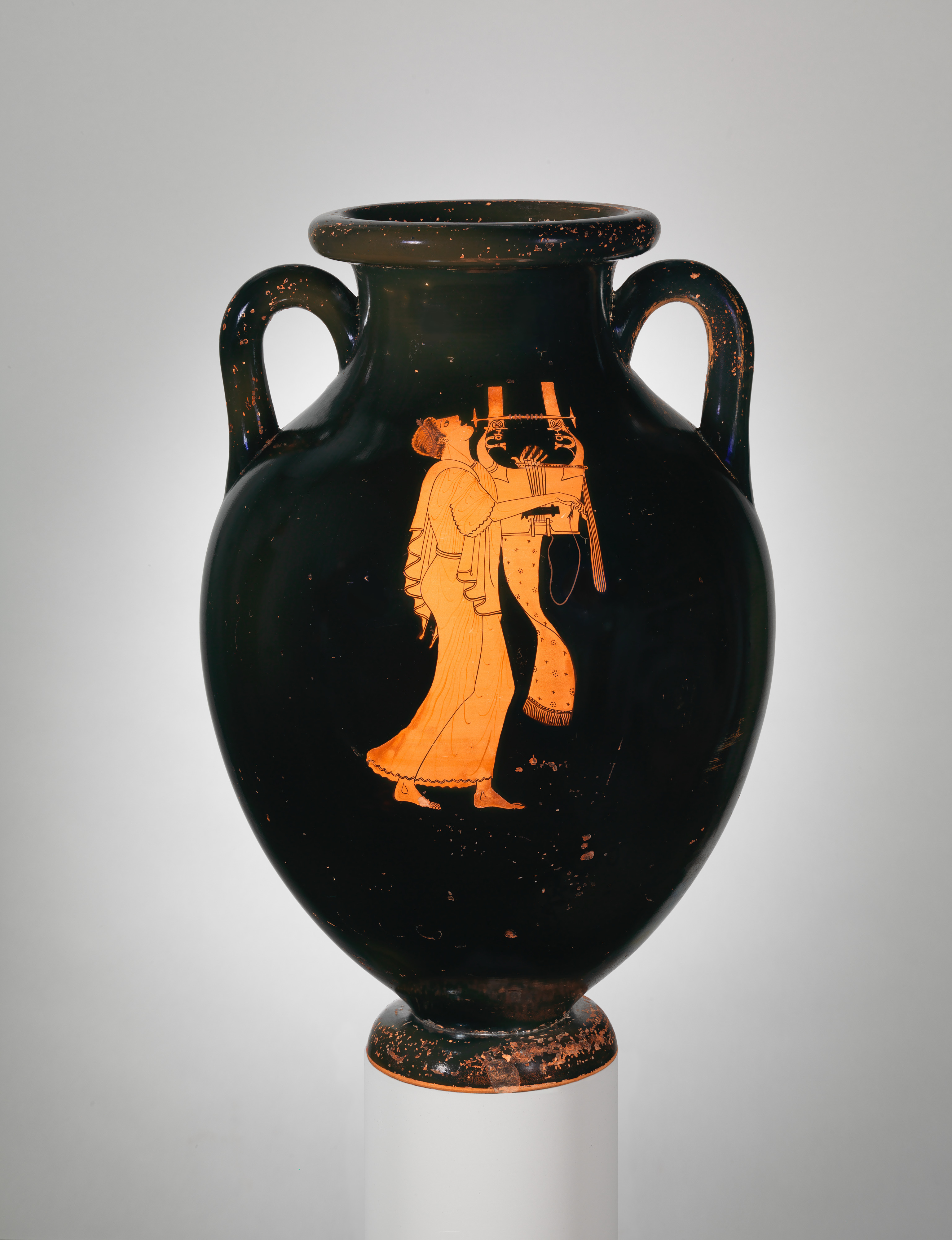
Berlin Painter — "Terracotta amphora (jar)" (ca. 490 BCE), public domain
The Myth of the Athenian Vote
Textbooks call Athens the birthplace of democracy—citizens standing shoulder-to-shoulder, voting in the open air. The myth: every free man and maybe even women could grab a ballot. It sounds inviting, almost modern.
Reality: Democracy for the Few
Only adult male citizens—maybe a tenth of the population—could vote. No rights for women, slaves, or foreigners. Even many free-born men were left out if their lineage wasn’t pure Athenian. Democracy? Yes, but with a velvet rope.
Why the Myth Stuck
Later writers from the Enlightenment painted Athens as a beacon of equality, glossing over its sharp exclusions. The romantic image lingers, masking a system that prized citizenship like secret gold.
Athenian democracy was radically exclusive by modern standards—most residents, including women, foreigners, and slaves, had no political rights. The word 'democracy' hides a much narrower club than most people imagine.
