
Caesar's Asyndeton
"Veni, vidi, vici." — Julius Caesar didn't waste words after crushing Pharnaces in 47 BC.
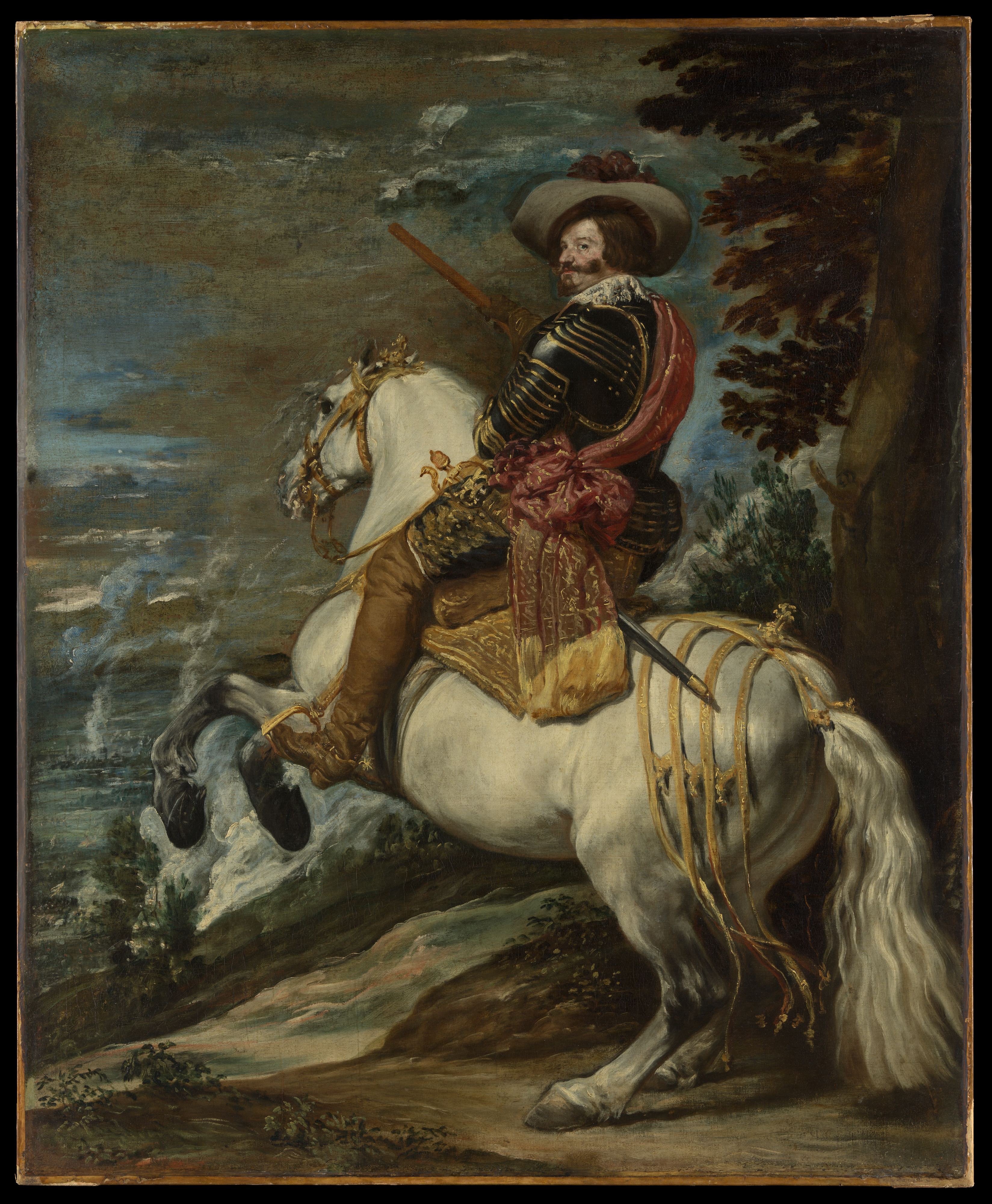
Juan Bautista Martínez del Mazo — "Don Gaspar de Guzmán (1587–1645), Count-Duke of Olivares" (ca. 1636 or later), public domain
Caesar's three-word thunderbolt
After defeating King Pharnaces II of Pontus at Zela in 47 BC, Julius Caesar sent a terse report to the Roman Senate: 'Veni, vidi, vici' — 'I came, I saw, I conquered.' This is recorded by Suetonius in The Lives of the Caesars (Divus Julius, 37).
More than a boast, a warning
Caesar’s phrase wasn’t just clever. It signaled the speed and certainty with which he crushed Rome’s enemies — and, for his rivals, how quickly fortune could turn. The Senate heard more than news; they heard a warning from a man who could change history in a day.
With three words in a letter to the Senate, Caesar announced swift, total victory — and made himself a legend in Latin brevity.
