
Aspasia: Outsider at the Center of Power
She shaped the speeches of Athens’ greatest statesman—yet as a foreign woman, Aspasia couldn’t even walk into the Assembly.
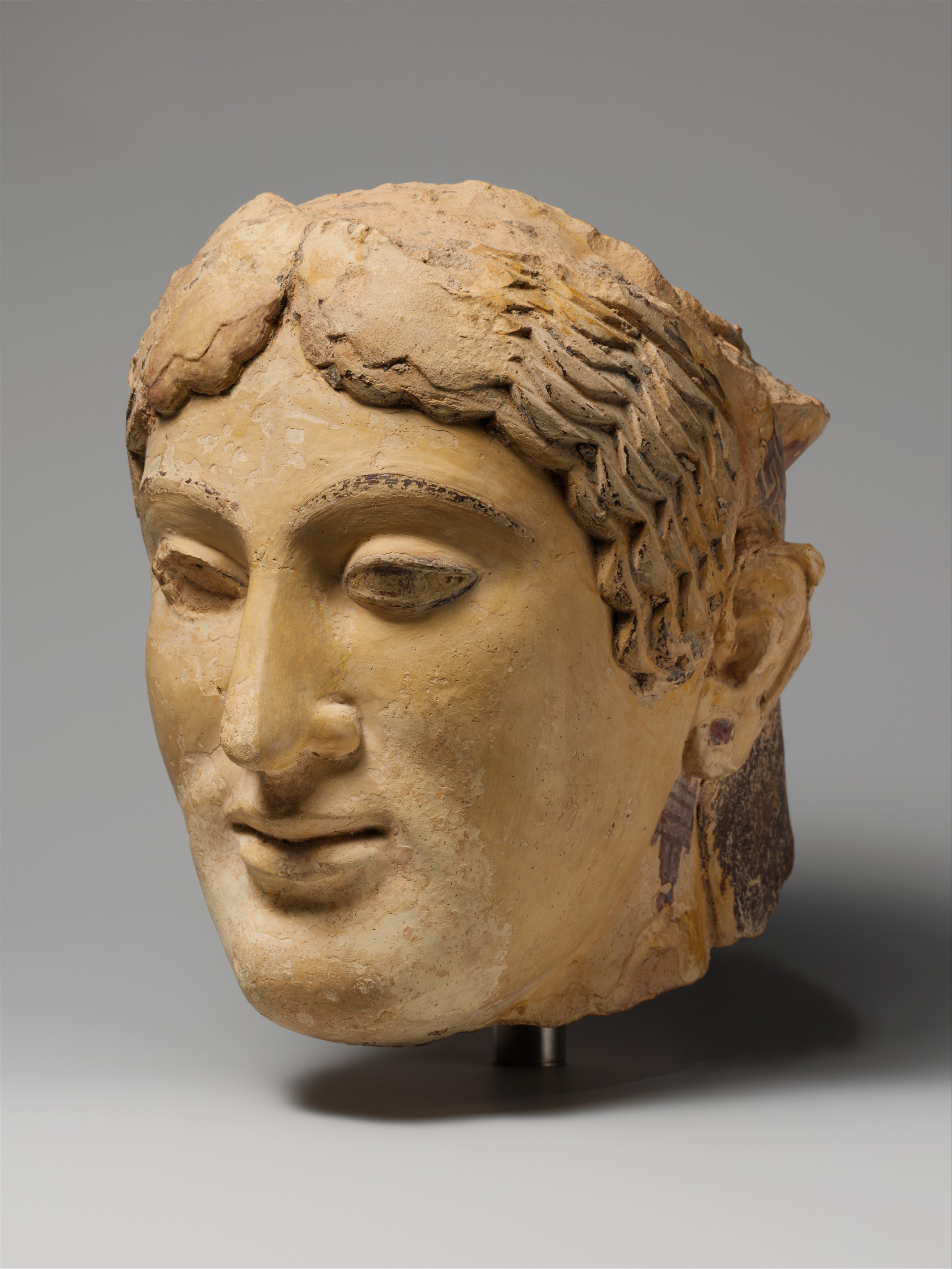
Unknown — "Terracotta head of a woman, probably a sphinx" (1st quarter of the 5th century BCE), public domain
Invisible Influence, Visible City
Aspasia arrived in Athens as a foreigner and never shed the label. She couldn’t legally marry Pericles, the city’s leading man, yet their home became an intellectual lightning rod. Philosophers and politicians alike sought her company—even Socrates is said to have listened at her door.
Power Without a Podium
Athens prided itself on democracy, but women and foreigners sat on the sidelines. Still, ancient writers credit Aspasia with shaping Pericles’ rhetoric and even influencing policy. Rumors swirled—she was blamed for starting a war, praised as a teacher, reviled as a courtesan. The truth sits somewhere in the shadowed center.
Legacy Written in Marble, Not in Law
Aspasia shows how genius refuses to stay outside the walls. In a city obsessed with speech, the woman who could not speak in public shaped the words everyone remembers.
Aspasia had no vote, but her intellect left fingerprints on Athens itself.
