
Artaxerxes II: Paranoia at the Persian Court
At Artaxerxes' dinner table, food tasters sample every bite—he trusts no one, not even his own family.
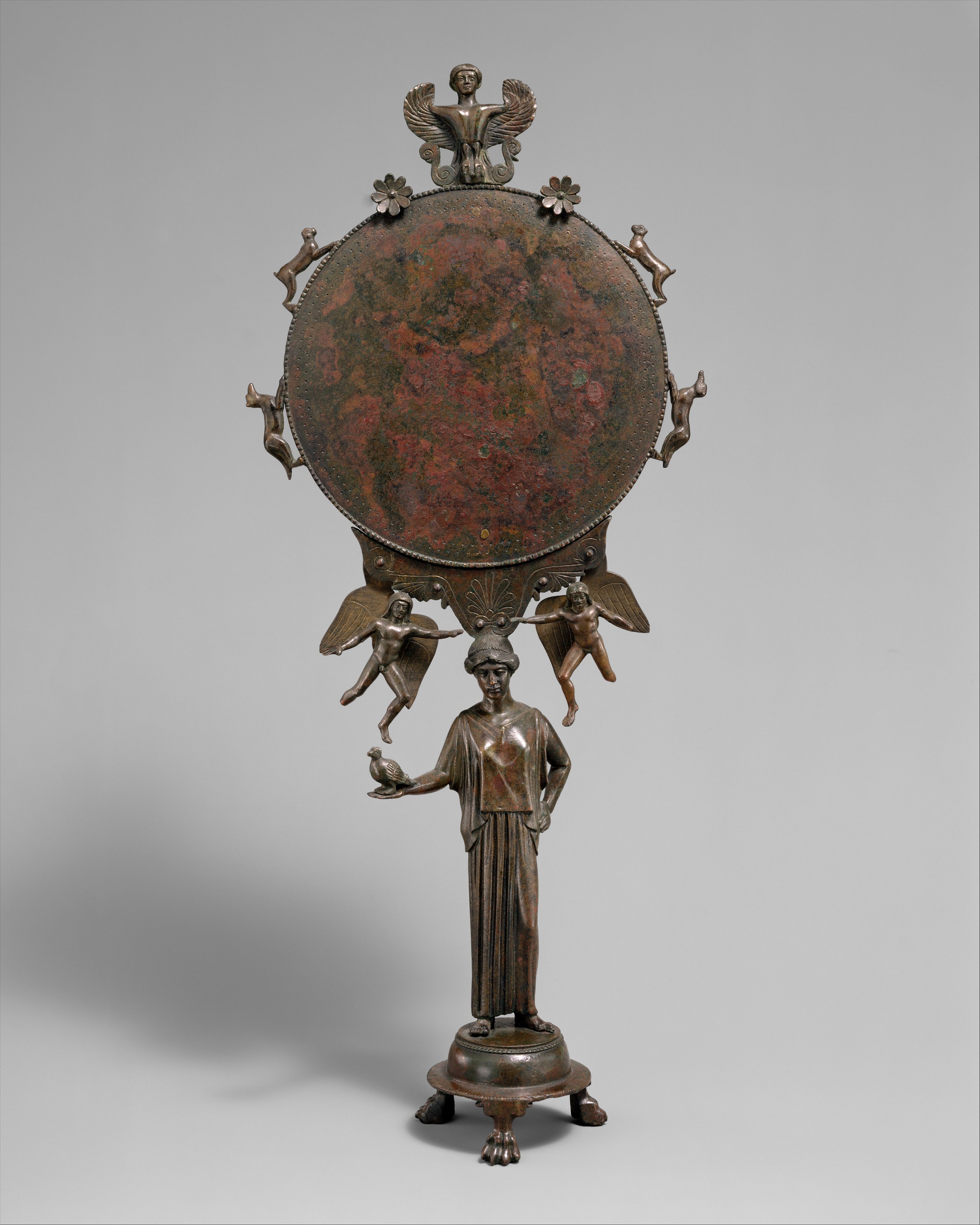
Unknown — "Bronze mirror with a support in the form of a draped woman" (mid-5th century BCE), public domain
A King Surrounded by Tasters
At Artaxerxes' banquets, nothing touched his lips unless a servant had tried it first. Poisoning was a constant threat—sometimes from his own kin. Even the king's bread came with a side of fear.
The Empire of Suspicion
Artaxerxes II sat atop the world's largest empire, but the Persian court was a snake pit. Greek envoys called it a place of gold, silk, and plots. Family members, concubines, and satraps circled close—too close for comfort.
Legacy of Whispers and Plots
Centuries later, Greek historians remembered Artaxerxes not for victories, but for the ever-present shadow of betrayal. For ancient rulers, absolute power never meant absolute security.
The Persian king ruled an empire stretching from India to Egypt, but poison could be hidden in the honey. Greeks at his court described a world of shifting loyalties, where a brother’s smile might hide a dagger and queens plotted from behind carved cedar screens. Even a king learned to sleep lightly.
