
Aristotle on Pleasure and Virtue
"The self-indulgent man craves all pleasant things… and is pained when deprived of them." — Aristotle, never sentimental, cuts deep into the roots of weakness.
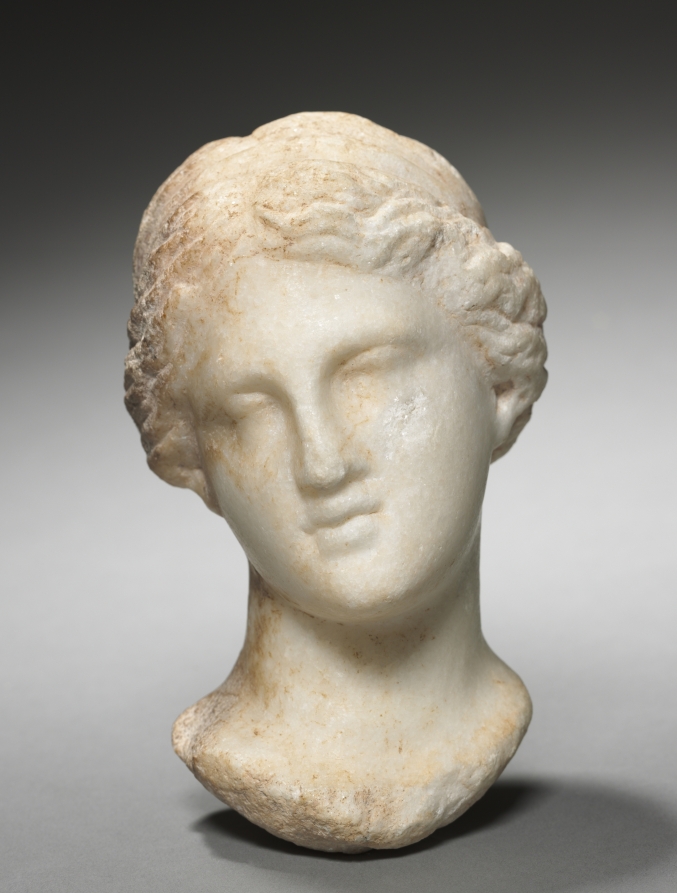
Unknown — "Head of a Woman" (300–200 BCE), CC0
Pleasure—hold the leash, or be dragged.
Aristotle, in Nicomachean Ethics (Book VII.8), writes: «Ὁ ἀκόλαστος πάντων ἡδέων ἐπιθυμεῖ καὶ λυπεῖται ἐὰν αὐτῶν στερηθῇ.» — «The self-indulgent man craves all pleasant things… and is pained when deprived of them.» Put bluntly, he thought addiction was the enemy of freedom.
Aristotle’s prescription for liberty.
Virtue wasn’t about rejecting pleasure, but about not being ruled by it. Aristotle believed that discipline lets you enjoy the good things—food, friendship, rest—without being enslaved by the craving. True pleasure, he argued, is choosing, not chasing.
For Aristotle, virtue wasn’t denial for its own sake. It was about training desire, so pleasure couldn’t hold you hostage. His lesson: only the disciplined can enjoy the world without fear.
