
Aristotle: Leaving Athens for His Life
The philosopher who taught Alexander the Great once fled Athens, warning the city he would not let them "sin twice against philosophy."
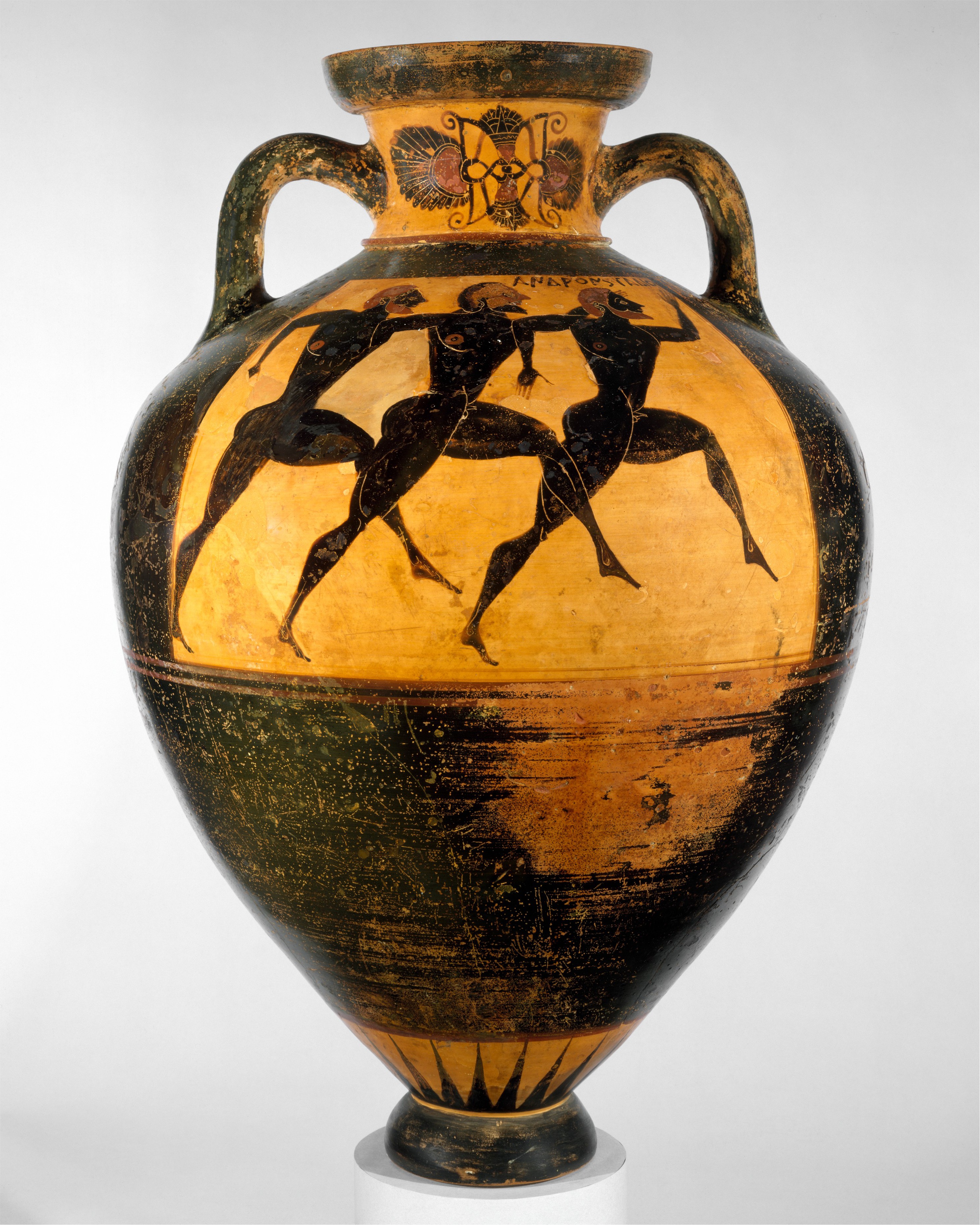
Nikias — "Terracotta Panathenaic prize amphora (jar)" (ca. 560–550 BCE), public domain
A Philosopher on the Run
Aristotle left Athens in haste, declaring he wouldn’t allow the city to "sin twice against philosophy." Socrates had been executed for impiety decades before—now Aristotle saw the mood turning against outsiders.
Philosophy or Politics?
Athens after Alexander’s death was dangerous for anyone with Macedonian ties. Aristotle, once the toast of the city, was suddenly suspect. Better exile than execution. He spent his last year in Chalkis, his legacy already reshaping Western thought.
History Never Forgets the Exiles
Aristotle’s warning lingered: Athens, brilliant and brittle, had again driven away one of its greatest minds. Sometimes, the threat to free thought comes not from enemies, but from neighbors.
Aristotle, after years of shaping minds in Athens, packed up and left the city rather than risk the fate of Socrates. His crime? Ties to Macedonia, and ideas the city no longer trusted.
