
Aristion, the Philosopher Who Ruled Athens with Iron
A philosopher in golden robes stands on the Acropolis—flanked not by students, but by foreign mercenaries.
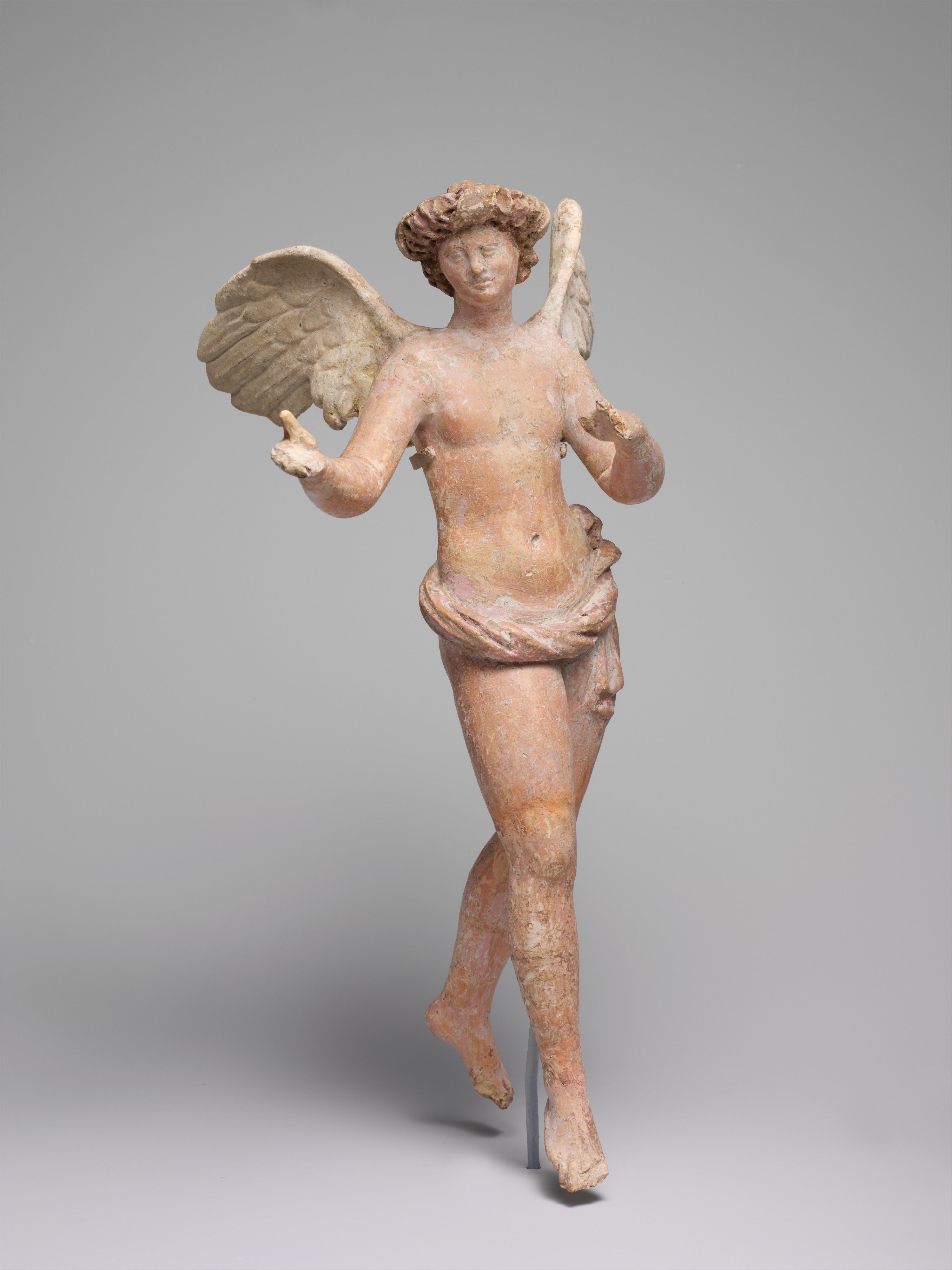
Unknown — "Terracotta statuette of Eros flying" (ca. 200–150 BCE), public domain
Golden Robes on the Acropolis
A philosopher-turned-tyrant stands atop the Acropolis in Athens, shrouded in golden robes. But the crowds below see soldiers, not students; Aristion’s bodyguards are mercenaries from Pontus, his power propped up by a foreign king.
Athens Backs the Wrong Side
In the chaos of Rome’s eastern wars, Aristion gambles. He allies with King Mithridates of Pontus against Rome—bartering Athens’ freedom for survival. Sulla’s legions arrive, famine bites, and Aristion’s rule sparks terror in the streets that once echoed with philosophy.
When Power and Wisdom Collide
Aristion’s reign ends in fire when Sulla finally takes the city. He is executed on the altar of Athena. Athens remembers him as a lesson: even the brightest mind can burn a city if fear replaces reason.
When Athens fell on hard times, Aristion turned his learning into power. He seized the city with Mithridates’ help, ruled as tyrant, and fought off Roman legions until the end. His reign was short, brutal, and unforgettable—the city of Socrates, now answering to a philosopher who traded reason for blood. Scholars would debate his legacy, but on the day Sulla took Athens, Aristion’s lesson was clear: in desperate times, the book and the sword are sometimes the same.
