
Ares, God of War—And Of Embarrassment
In the smoky halls of Olympus, Ares, lord of battle, once found himself caught naked and chained to a bed—exposed as much for his clumsy lust as for his thunder in war.
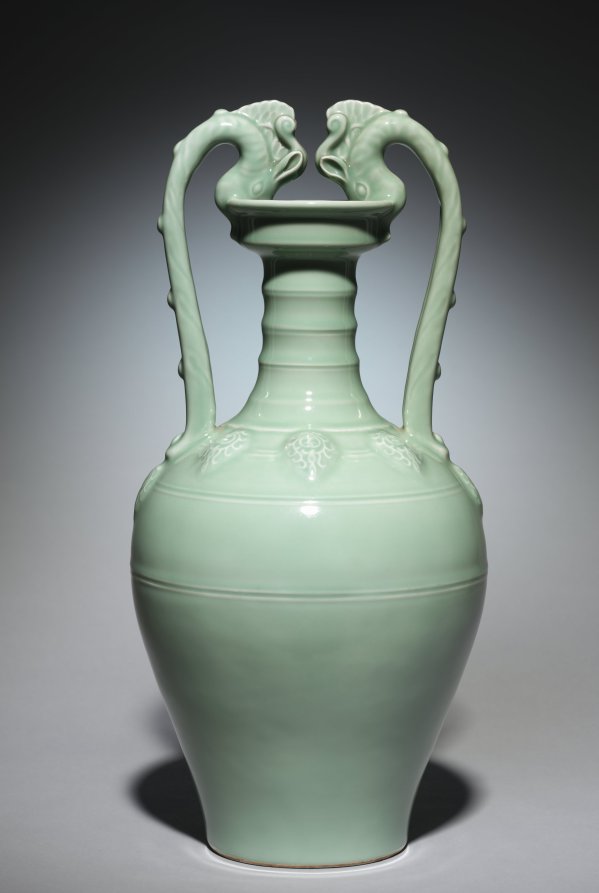
Unknown — "Amphora Vase" (1723–35), CC0
God of War, Caught Off Guard
In the smoky halls of Olympus, Ares, lord of battle, once found himself caught naked and chained to a bed—exposed for his clumsy longing as well as his violence. The other gods howled with laughter. So much for dignity.
Rage Without Respect
The Greeks imagined Ares as more brawl than brains—a god of raw violence, wounded easily, humiliated often. In Homer’s Iliad, he weeps to Zeus, called a 'plague' even by his own father. His affair with Aphrodite? Ambushed and left squirming, trophy to a rival’s trap.
When Might Means Mess
For all his strength, Ares ends up a lesson: fury without wisdom is a spectacle, not a triumph. Even the gods, it seems, have to face the punchline.
Beneath the bronze muscle of Ares’ reputation, the Greeks saw a god not of victory, but of mess, rage, and humiliation. In Homer, he is wounded and cries to Zeus for rescue, unloved by his father and mocked by the other immortals. Even his affair with Aphrodite ends in public shame, trapped by a jealous husband’s net. For all his bluster, Ares is the god who loses control—and reveals that even the gods can be ridiculous.
