
On This Day: The Spirit of Momus and Spring Mockery
April 1: In ancient Greece, the god Momus—patron of mockery and satire—hovered over springtime’s pranks and parodies.
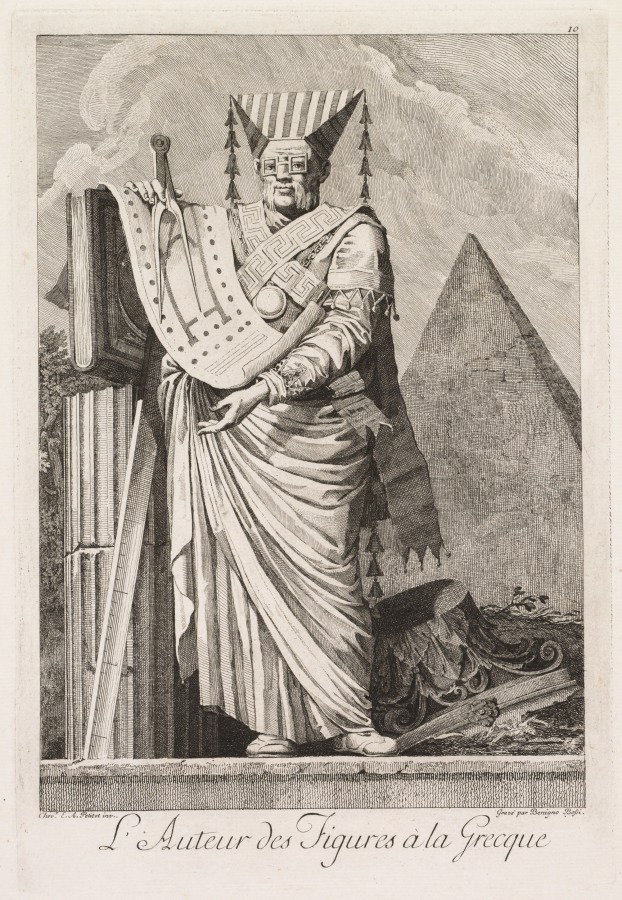
Benigno Bossi (Italian, 1727–1792) — "Inventor of Greek Figures, Plate 10" (1771), CC0
The god of mockery takes the stage.
Though April 1 as a day of pranks comes much later, the Greeks had Momus—the god who made fun of gods and mortals alike. While not officially celebrated on this date, Momus inspired a spirit of satire and trickery that surfaced in many springtime rituals.
Spring festivals: a license to jest.
Festivals like the Dionysia let Athenian comedians and ordinary folk poke fun at politicians, priests, and even the gods. Satirical plays and outrageous costumes were the order of the day—showing that, for at least a moment, laughter trumped authority.
Echoes in today’s April Fools’ Day?
While there’s no direct ancient equivalent of April Fools’, the tradition of springtime mischief—licensed by festival and divine example—shows how the urge to turn things upside down is truly ancient. The Greeks just preferred their jokes in masks and verse.
While there’s no surviving evidence for an 'April Fools’ Day' in Athens, ancient Greeks did weave mischief and social reversal into their spring festivals—especially honoring Momus, divine critic and master of satire.
