
Antinous: The Boy Who Became a God
A beautiful youth vanishes into the Nile—days later, the emperor orders temples built in his name.
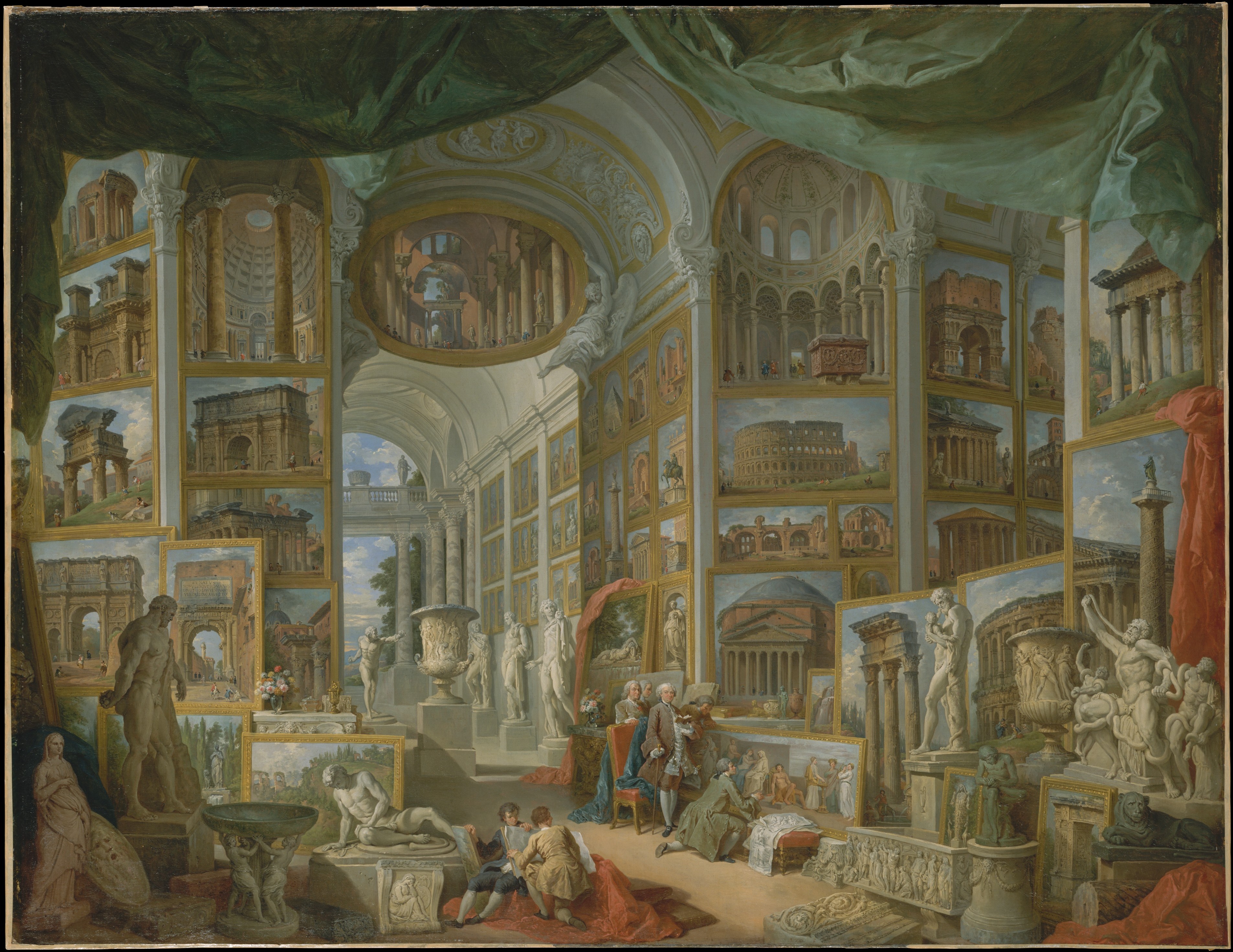
Panini — "Ancient Rome" (1757), public domain
The Emperor’s Grief Made Divine
A beautiful youth vanishes into the Nile—days later, the emperor orders temples built in his name. Statues bloom across the empire, each carved with the same haunting face. Grief and adoration blur until memory hardens into myth.
Rumor, Sacrifice, and Imperial Power
Antinous’s death in Egypt was shrouded in secrecy. Officially, it was an accident. Off the record, Romans muttered about magic, sacrifice, even a deal with the gods to buy Hadrian’s life. The emperor responded by founding a city, Antinoopolis, and spreading Antinous’s image on coins. Love and power became indistinguishable—and Antinous, a mortal lover, became a god.
A God for a Generation—Then Silence
For a few decades, Antinous had temples, festivals, and worshippers from Britain to Athens. But new emperors came, and the statues faded into dust. Only the mystery endures: was he a pawn, a willing sacrifice, or the purest love story Rome ever told?
Antinous’s death was officially called an accident, but Roman streets buzzed with rumors of sacrifice, suicide, and imperial grief. Hadrian mourned with statues, coins, and a new city on the Nile: Antinoopolis. For a brief moment, Rome worshipped love as a god—while whispers trailed behind every marble shrine.
