
Seneca on True Gratitude
"No one is more grateful than he who gives thanks while receiving nothing." Seneca, in cold Latin, made this the true test of character.
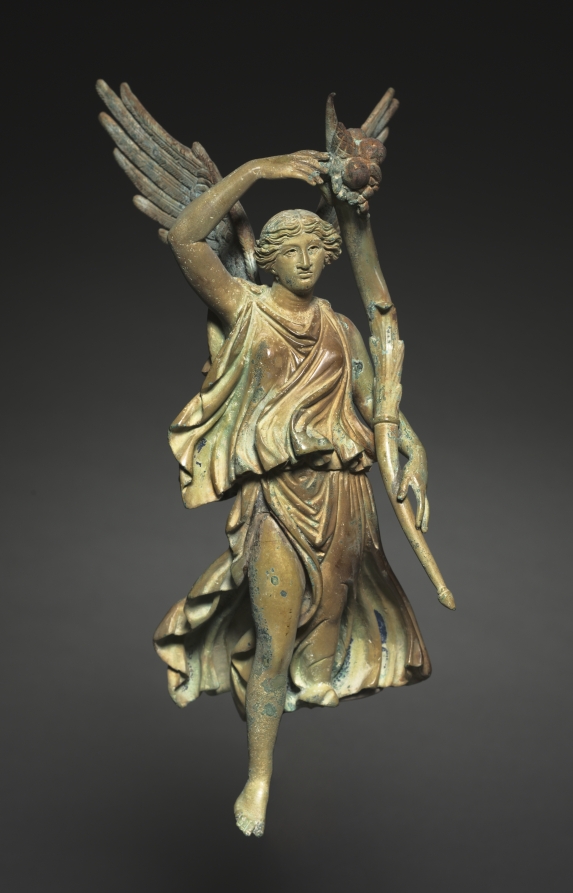
Unknown — "Victory with Cornucopia (Chariot Attachment)" (40–68 CE), CC0
Seneca names the hardest thanks.
In Letters to Lucilius (Letter 81), Seneca writes: «Gratus est, qui dat beneficium, etiam si nihil accipit.» — "He is grateful who gives thanks even when he receives nothing." He wasn’t doling out feel-good advice — he was marking out the rarest virtue in his own battered Latin.
Why Stoics valued hard gratitude.
Seneca believed that real gratitude isn’t about favors or payback. It’s a mindset that transforms the smallest gift — or even disappointment — into fuel for resilience. To him, ingratitude was a poison. Gratitude, the antidote.
Seneca: philosopher, survivor, exile.
Seneca walked through envy, exile, and ordered suicide. He wrote his best work while under threat, not celebration. Gratitude, for him, wasn’t a greeting card — it was a lifeline across a minefield.
Seneca was obsessed with gratitude, not as politeness but as armor against bitterness. Handed exile or fortune, he saluted both — and wrote lines that still outlast ingratitude itself.
