
Antigonus’ Last Gamble at Ipsus
Before dawn, Antigonus’ troops hammer their shields—trying to convince the enemy he’s stronger than he is.
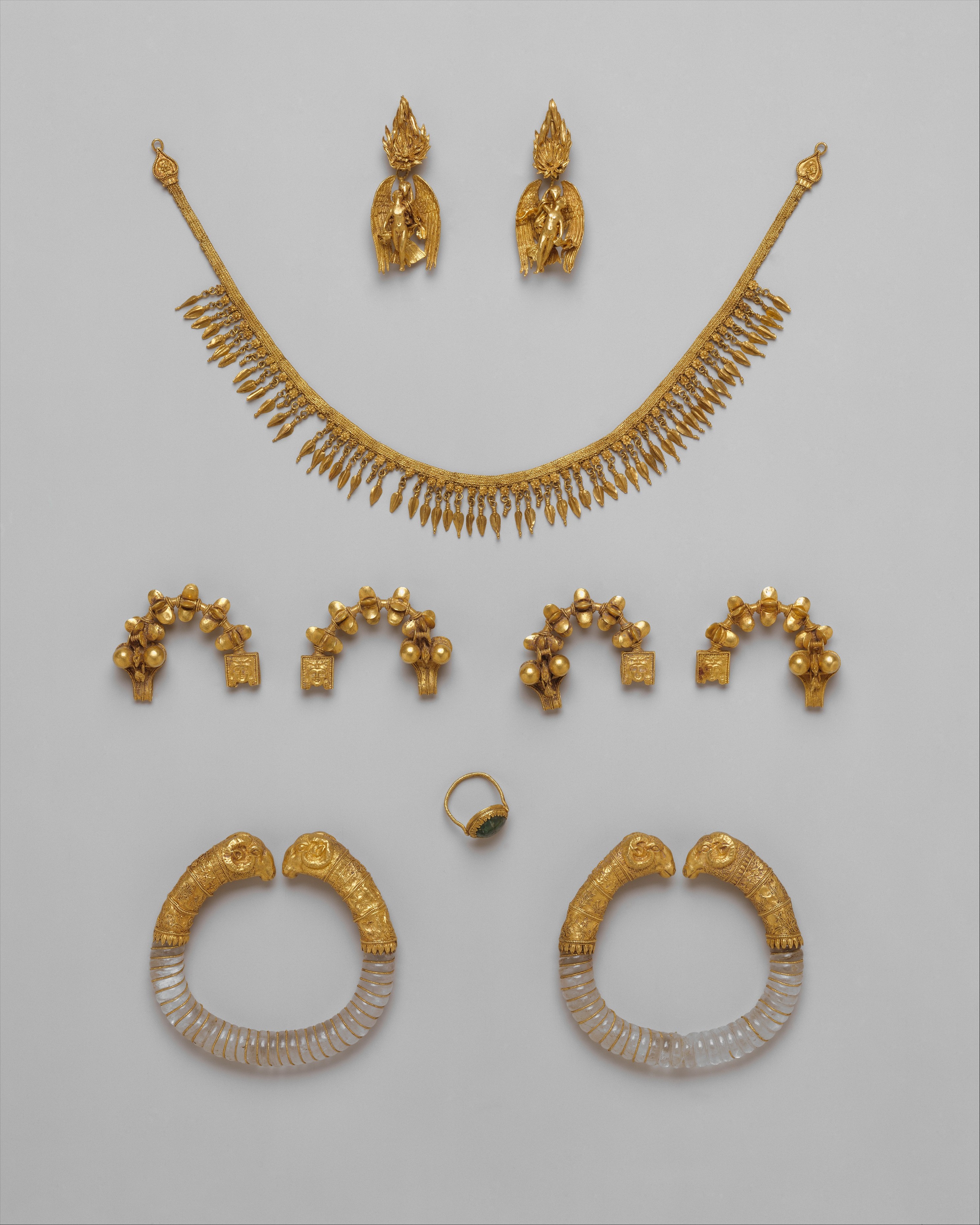
Unknown — "Ganymede jewelry" (ca. 330–300 BCE), public domain
A thunder of shields before sunrise.
At Ipsus, Antigonus—one-eyed, seventy-nine, still a king—faced three enemy armies and a forest of war elephants. His forces were outnumbered. So before the first light, his men smashed their shields and yelled into the darkness, hoping the din would trick the enemy into overestimating their strength.
A sound that couldn’t hold the line.
For hours, Antigonus’ bluff held. The enemy hesitated. But as the sun rose, Seleucus’ elephants crushed into Antigonus’ flanks, and his cavalry scattered. His son Demetrius, his only hope of rescue, was swept away by confusion on the battlefield.
The end of a dynasty in a single hour.
By sunset, Antigonus lay dead, struck by a javelin. His dream to reunite Alexander’s empire evaporated in dust and hoofbeats. The world was no longer for one man—it would be divided, and his name would pass into legend.
Antigonus bet everything on a lie, hoping a wall of sound could fill the gaps in his shattered lines. By sunset, his dynasty was finished—and the map of the world changed forever.
