
Antigone: The Defiance of Burial
Under cover of night, Antigone kneels at her brother’s grave, hands trembling with forbidden dust.
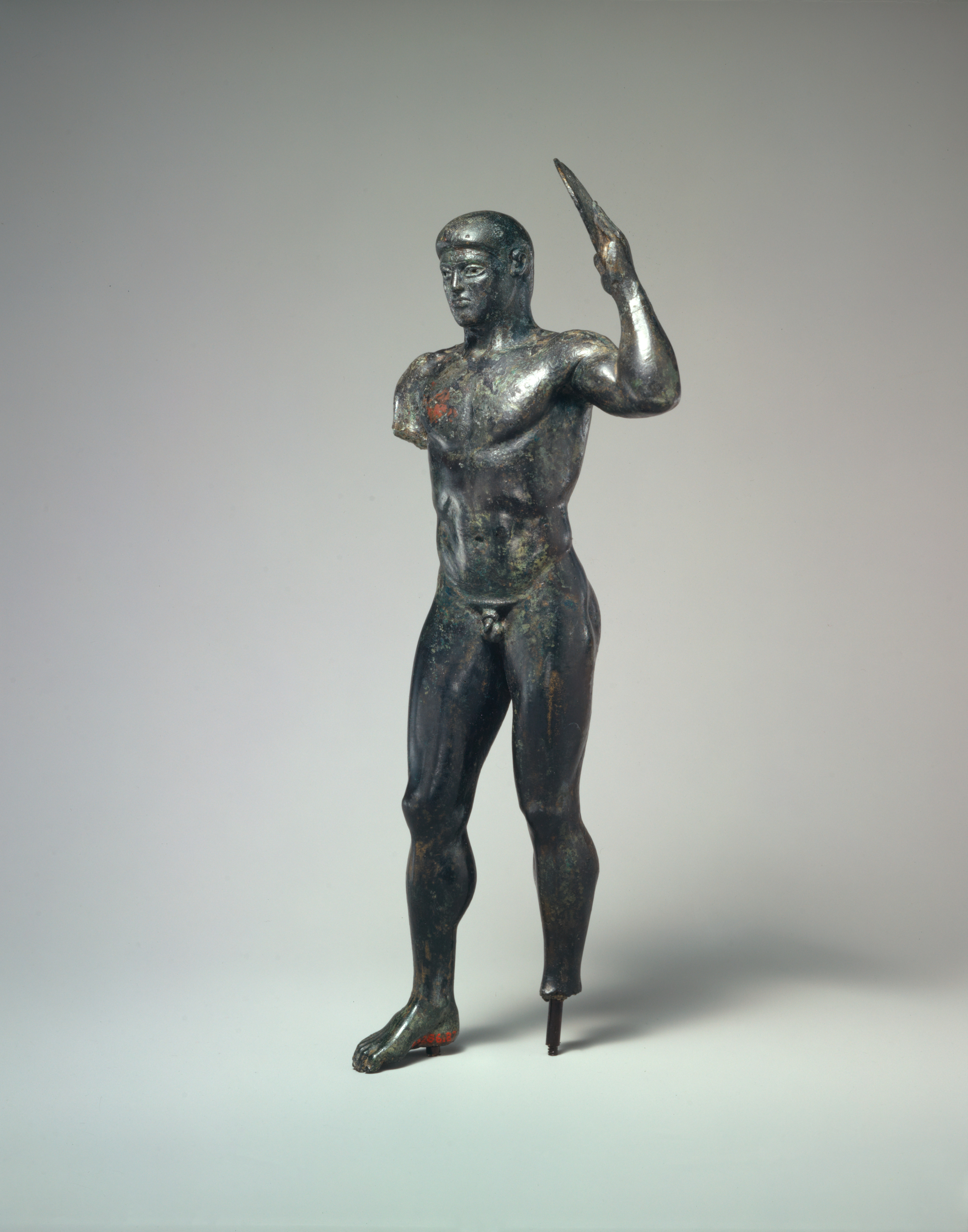
Unknown — "Bronze diskos thrower" (ca. 480–460 BCE), public domain
A Grave Crime, by Moonlight
Under cover of night, Antigone kneels at her brother’s grave, hands trembling with forbidden dust. The decree is clear: anyone caught mourning Polynices will die. Still, she presses on—soil falling through her fingers, a silent challenge to the living law.
The Law of the City vs. the Law of the Heart
The city of Thebes is fresh from civil war. Her uncle Creon, the new king, orders dishonor for the defeated. For Antigone, family and gods outweigh a ruler’s threats. In Sophocles’ play, her defiance echoes through Athenian theaters—duty against decree, love against fear.
A Choice That Won’t Die
Antigone is dragged before Creon, unbowed. She chooses burial over survival. The audience is left uneasy—where does justice end, and stubbornness begin? Every generation sees itself reflected in her midnight vigil.
She buries the dead not to rebel, but because conscience drowns out fear.
