
Roman 'Refrigerators': Storing Food in Lead-Lined Wells
In a Roman villa kitchen, a cook lowers wine jugs into a deep well—not for water, but to keep them cool and fresh.
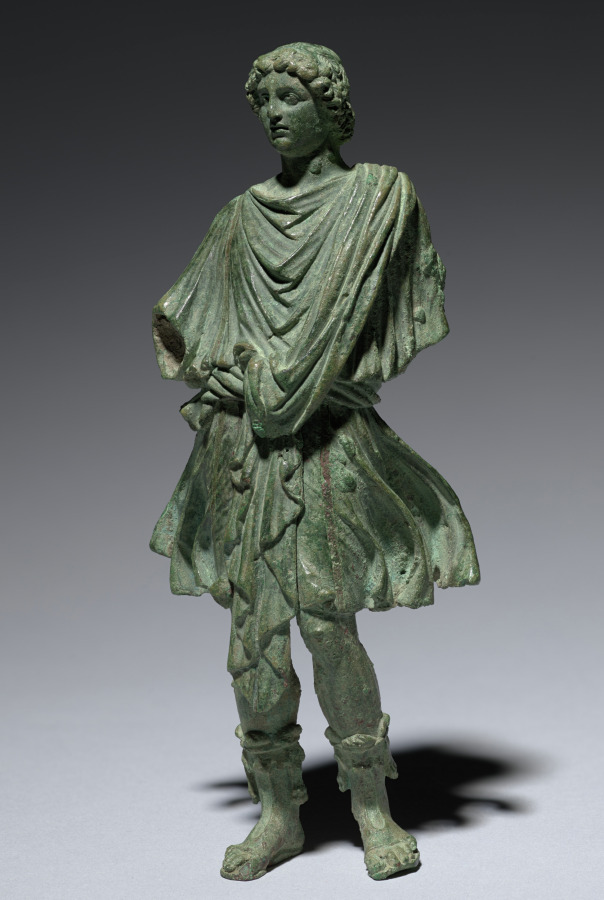
Unknown — "Lar" (1–25 CE), CC0
Roman Villas Had Ancient 'Fridges'
A Roman kitchen worker lowers a clay pot deep into a stone-lined shaft. Instead of ice, the chamber’s cool air does the work of chilling. For wealthy Romans, this was the ancient answer to food spoilage.
Wells, Lead, and Buried Dolia
Archaeologists at Pompeii and Herculaneum unearthed deep storage wells lined with lead or stone. These shafts kept wine, fruit, and leftovers fresh, shielded from sweltering Italian summers. Some still held olive pits and grape seeds, charred by the eruption—frozen proof of daily life.
The Ancient Kitchen Obsession
Before electric fridges, a Roman cook had to plan days ahead to keep delicacies from spoiling. Cool storage was a mark of taste, wealth, and a little anxiety about what tomorrow’s dinner might taste like.
Some wealthy Romans built storage shafts lined with lead or stone, sunk below ground to create their own version of a refrigerator. Archaeologists in Pompeii and Herculaneum have found these “dolia” wells still holding food scraps, seeds, and even carbonized fruit. It’s a window into the ancient obsession with freshness—and early kitchen tech.
