
Greek Chewing Gum: Mastic Resin
Before bubble gum, ancient Greeks chewed tree resin to freshen their breath—and clean their teeth.
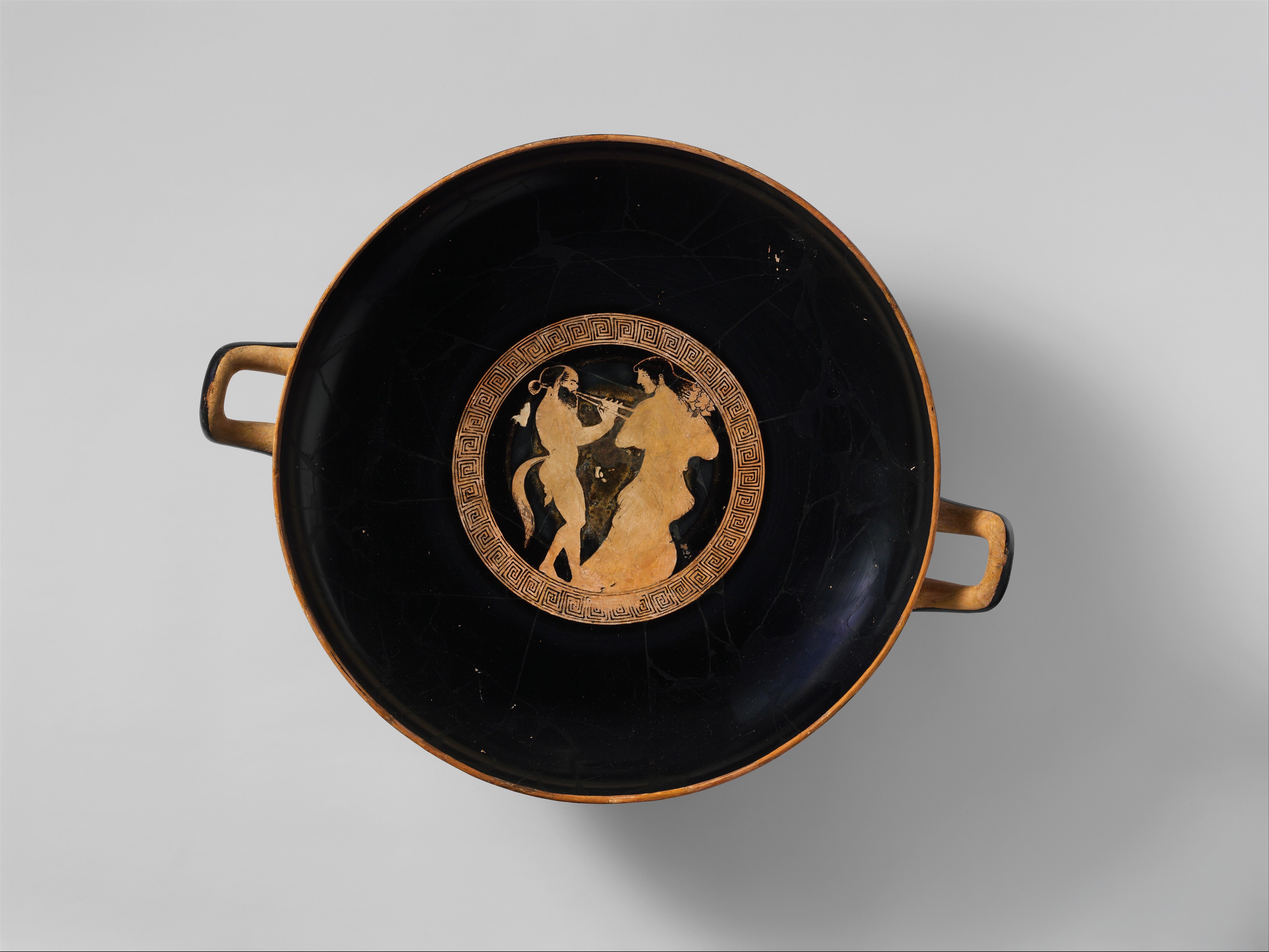
Hieron — "Terracotta kylix (drinking cup)" (ca. 480 BCE), public domain
The Original Chewing Gum
Before bubble gum, ancient Greeks chewed tree resin to freshen their breath—and clean their teeth. The clear, slightly bitter resin oozed out of the mastic tree, native to the island of Chios.
Nature’s Toothpaste—and a Luxury
Archaeological finds and writers like Theophrastus mention Greeks chewing 'mastiche' daily. It worked as a breath freshener, a primitive toothbrush, and even carried a hint of status—Chios controlled its export, and Romans later imported it by the shipload.
The resin came from the mastic tree on Chios. Chewing it wasn’t just for fun: ancient sources and archaeology show it acted as a breath freshener and tooth cleaner. 'Mastiche' gave us both the word and the ritual—long before Wrigley’s or dentists with drills.
