
Alcibiades: From Exile to Savior
The fleet was trapped. Then Athens did the unthinkable—recall the man they called traitor, seducer, and scandal-magnet.
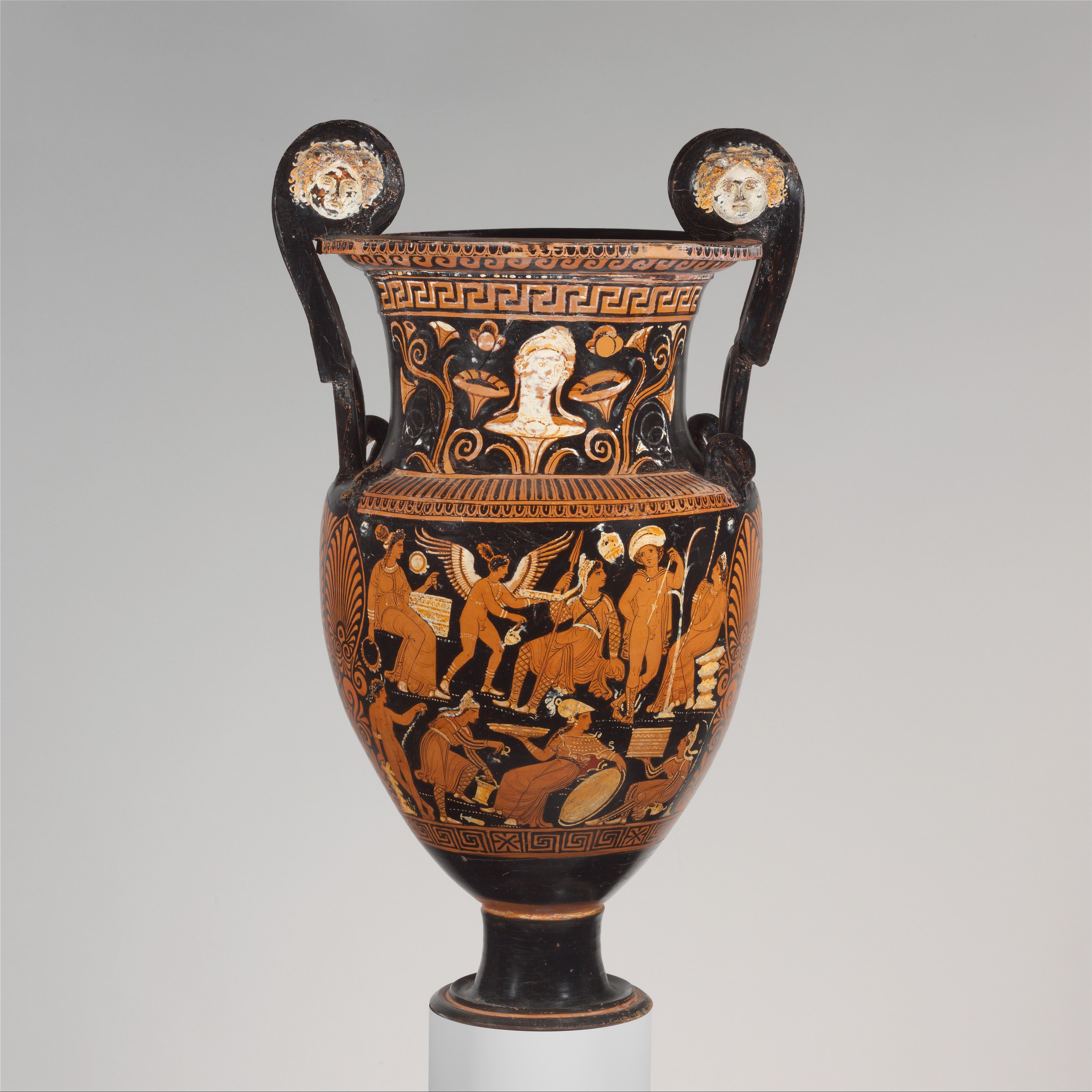
Baltimore Painter — "Terracotta volute-krater (mixing bowl)" (ca. 330–310 BCE), public domain
Athens desperate, Alcibiades in exile.
In 411 BC, Athens’ navy was bottled up by the Spartans at Samos. Their best commander, Alcibiades, was in exile—accused of sacrilege, plotting, and too many affairs to count. Yet when every option failed, the generals sent for him, hoping he could do what no one else could.
Redemption at sea.
Alcibiades swept in, rallied the fleet, and outmaneuvered the Spartans in a string of victories. He returned to Athens in triumph, showered with crowns, crowds cheering like amnesia had set in. Thucydides hints that no one could quite believe their own change of heart.
Hero—or hazard?
Alcibiades’ comeback didn’t last. His old enemies whispered, the fickle assembly turned, and soon he was out again—proof that in Athenian politics, the hero of one week is next week’s exile.
Alcibiades’ return flipped the script in the war and proved that in Athens, reputation could be ruined and redeemed overnight.
