
Alcestis: The Queen Who Chose Death
The queen stands silent while the gods bargain for her soul. She has agreed to die so her husband can live.
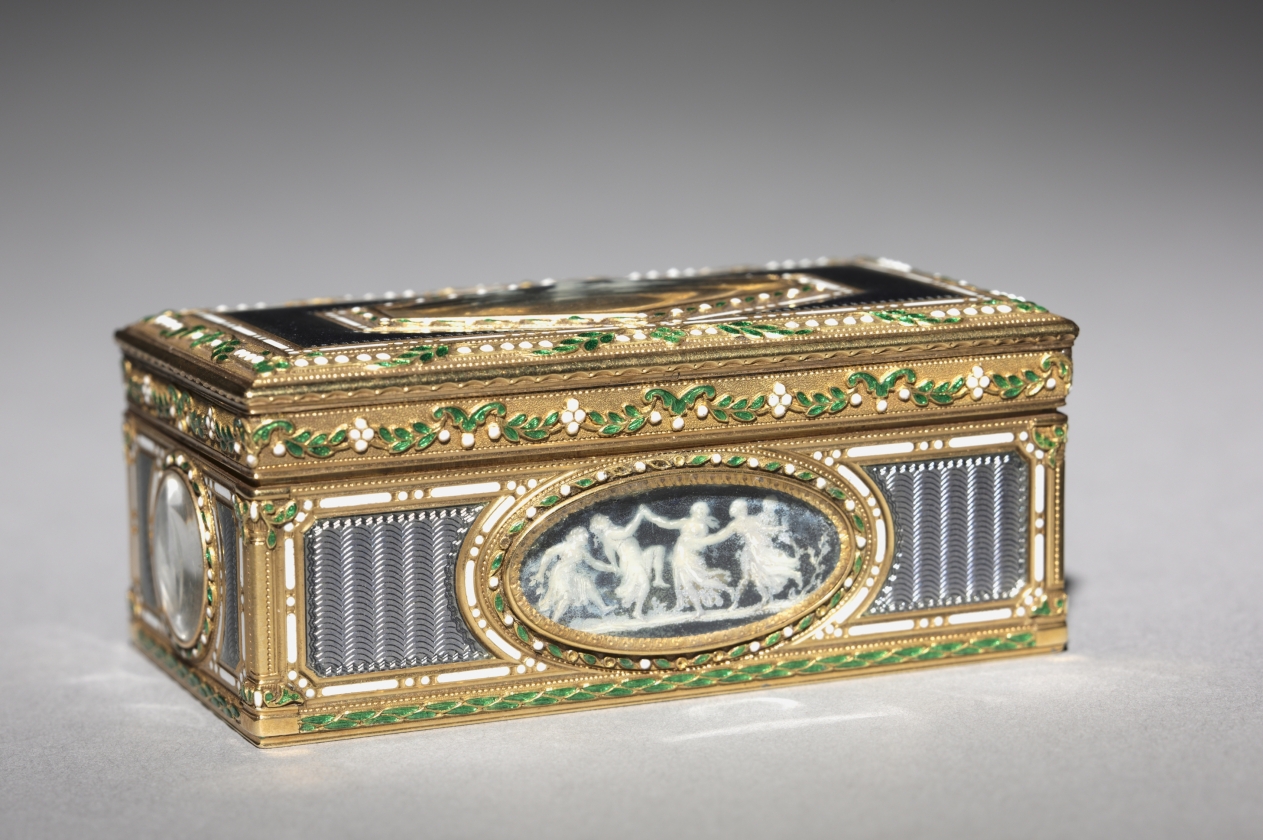
François Chazeray (French) — "Snuff Box (Tabatière)" (1777–78), CC0
A Queen Walks Toward Death
The queen stands in the shadows of her bedroom, listening to the footsteps of death. She’s offered a bargain: someone must die so her husband can live. Every friend and family member steps back. Alcestis steps forward.
A Bargain Few Would Make
In the ancient Greek world, self-sacrifice by choice—especially by a royal woman—is almost unknown. Alcestis volunteers to die for her husband Admetus, stunning gods and mortals alike. Euripides’ play gives her a voice that is calm, unsentimental, and terrifying in its resolve.
A Legacy of Will, Not Victimhood
Most heroines of myth are punished, silenced, or forced into tragedy. Alcestis is allowed to choose. Even Heracles, who wrestles Death for her return, pauses in awe of her decision. For Greeks, this was both unsettling and unforgettable.
In Euripides’ play, Alcestis accepts death in her husband Admetus’ place—a rare act of willed sacrifice. Among Greek heroines, she is unique: not a victim, not a rebel, but someone who chooses loss to spare another. Even Heracles, hero of heroes, is stunned into respect.
