
Agrippina the Elder: Grief as Protest
She steps off the ship at Brundisium, cradling her husband’s ashes—six children clustered around her. The crowd parts in silence. The emperor glares from the harbor walls.
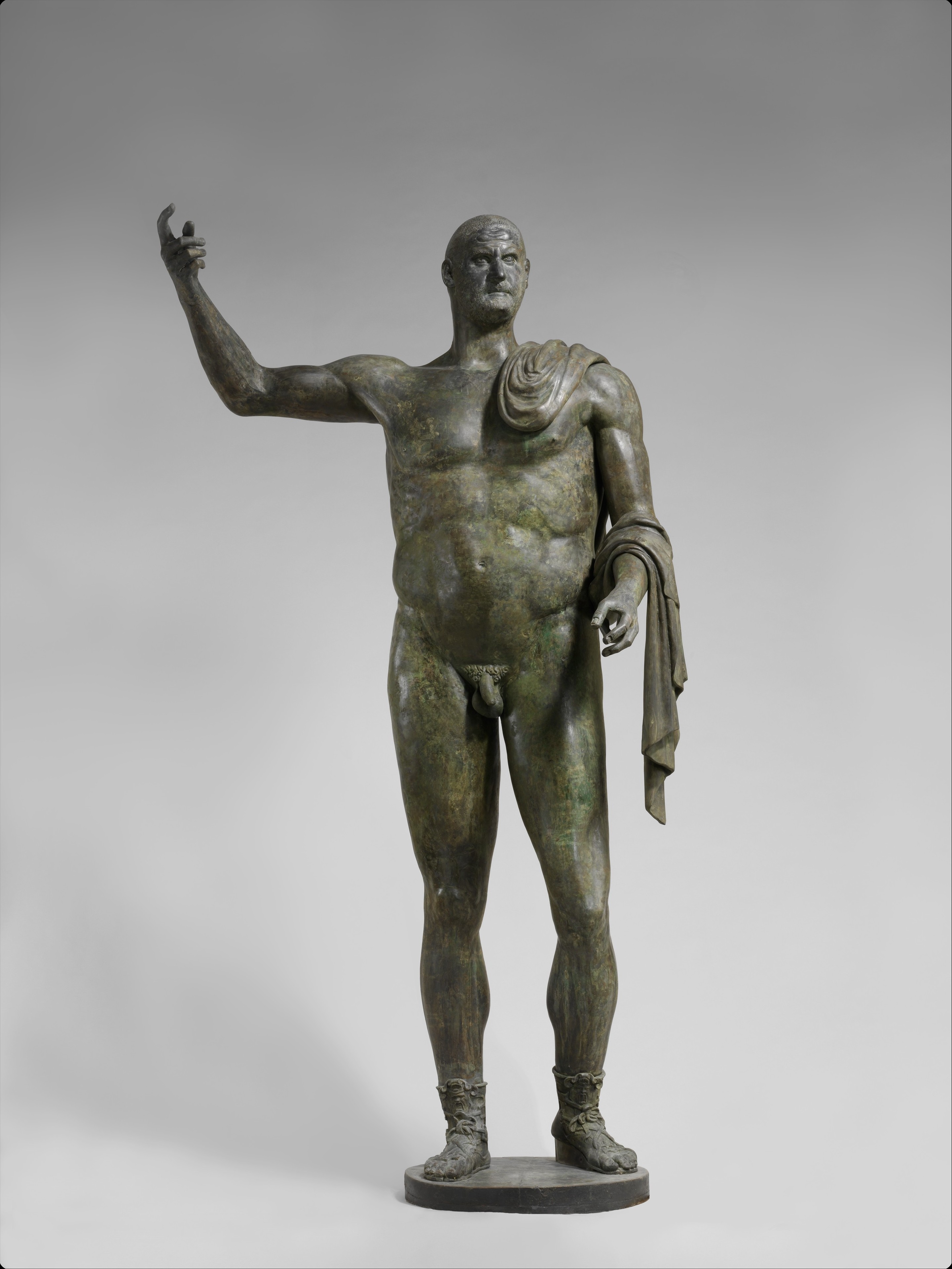
Unknown — "Bronze statue of the emperor Trebonianus Gallus" (251–253 CE), public domain
Carrying Ashes Across the Sea
She steps off the ship at Brundisium, cradling her husband’s ashes—six children clustered around her. The crowd parts in silence. The emperor glares from the harbor walls.
Turning Grief Into Protest
Widowed in exile, Agrippina the Elder defied Rome’s most powerful man. Instead of submitting quietly, she sailed home and mourned in public, facing Tiberius with her entire family. Her silent procession was a challenge—daring the city to look away from state-sanctioned tragedy.
A Mother Against the Machine
Her act electrified Rome. For generations, Agrippina’s angry courage lingered in the city’s memory—proof that sometimes, the most dangerous weapon is refusing to bow.
Widowed while far from home, Agrippina faced down Tiberius, the emperor she blamed for her husband’s suspicious death. She sailed to Rome uninvited, refusing to weep in private—her public mourning became a rallying cry against imperial cruelty. In a city where silence was safety, she made grief political.
