
Agrippina the Younger, the Woman Who Would Not Wait
She rode through Rome in a gilded carriage, her son at her side—the Senate forced to bow as she passed.
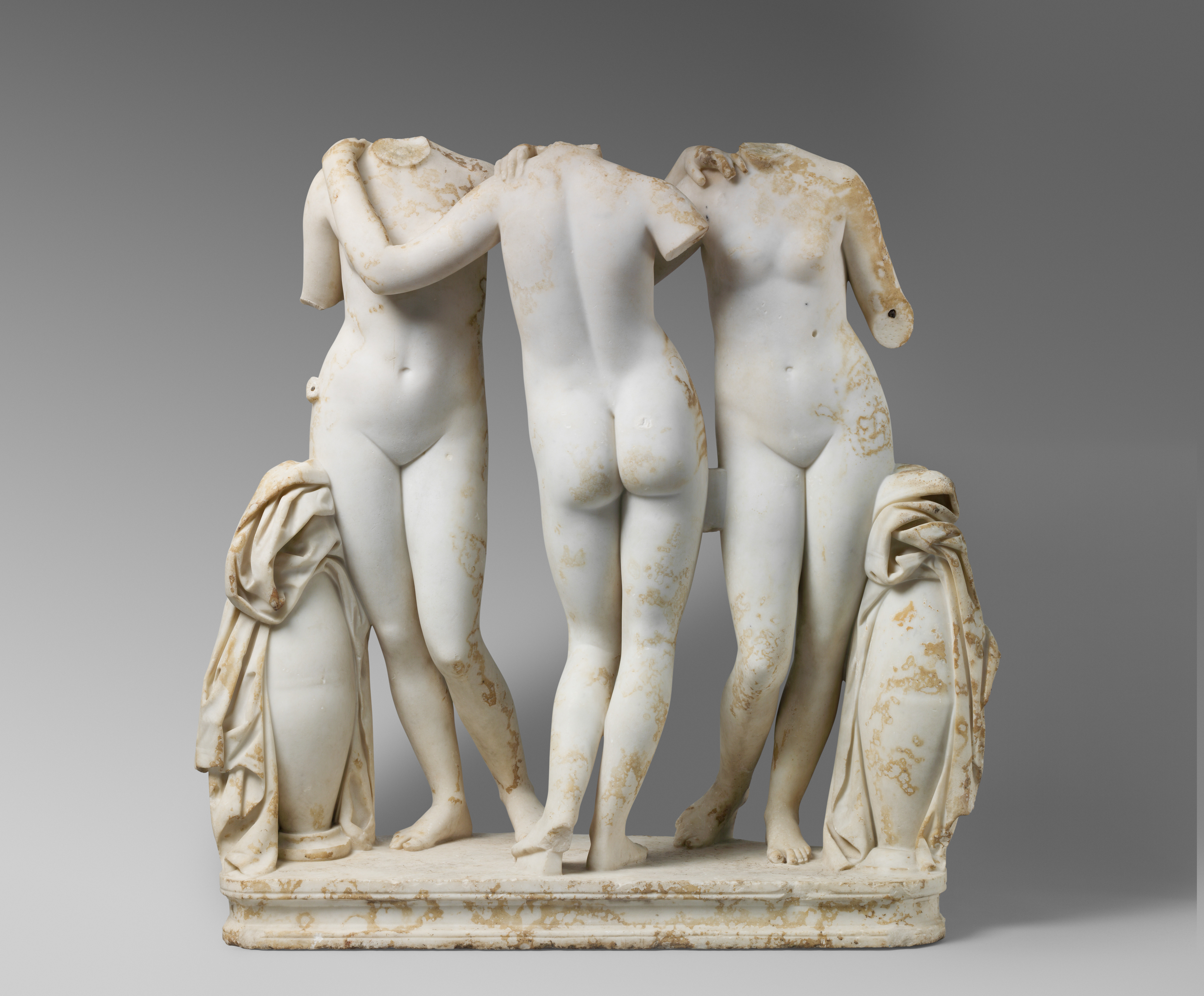
Unknown — "Marble Statue Group of the Three Graces" (2nd century CE), public domain
The Carriage That Shook Rome
Women in Rome could not vote or hold office, but Agrippina ignored every sign meant to keep her in the shadows. When she rode through the Forum in state, guards clearing a path, senators watched in silence. Her golden carriage was a warning: the boundaries of power were moving, and they wore a woman’s face.
Mother or Master?
Her son, the future emperor Nero, owed everything to her plots and alliances. Agrippina arranged his marriage, maneuvered him onto the throne, and ruled by his side—a mother with the instincts of a chess master. Some called her Rome’s most dangerous man. Others just called her mother.
Visibility as a Death Sentence
Public spectacle bought her influence, but it also painted a target. In a city that feared women who wielded power openly, Agrippina’s confidence was as fatal as poison. Her end came not from the shadows, but in the open—at her own son’s order.
A woman making herself visible in public and power, in a city terrified of such ambition, could redraw the lines of an empire—and sign her own death warrant.
