
Agamemnon: A King Bound by Blood
Agamemnon stands on the shore, windless sails and an army growing restless—and the price for a fair wind is his own daughter’s life.
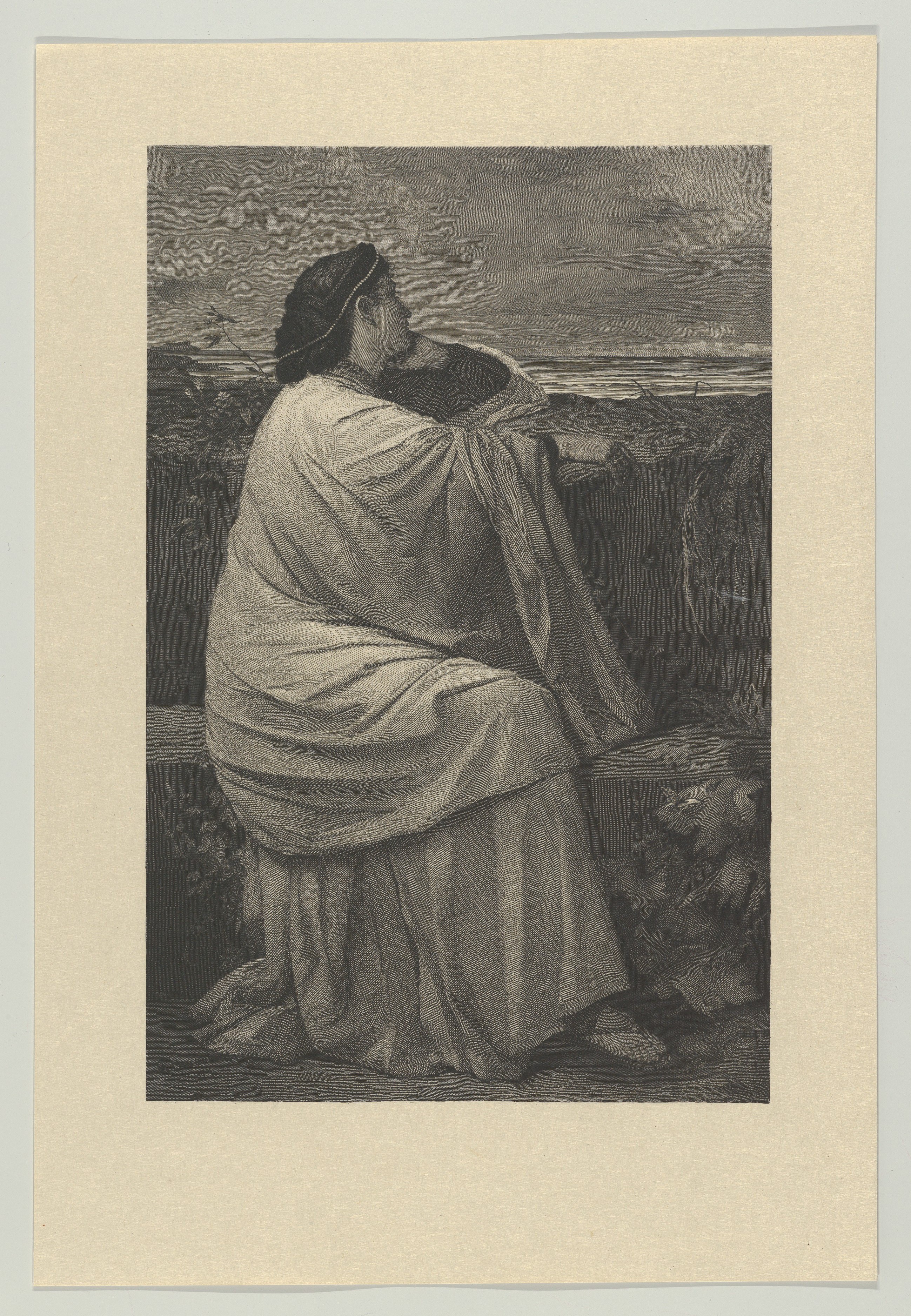
Karl August Kräutle — "Iphigenia" (1872), public domain
Windless Shores, Terrible Choices
Agamemnon stands paralyzed at Aulis. His fleet is trapped by calm seas and a goddess’s anger. Priests whisper that only his daughter’s blood will bring the winds.
Duty, Horror, Command
He hesitates. His generals press him. To abandon the war means disgrace. To obey means killing Iphigenia, the child who once called him father. Ancient plays show Agamemnon torn—king to thousands, helpless to fate.
No Happy Endings, Only Consequences
The Greeks get their wind, but the stain never washes away. In myth and tragedy, Agamemnon’s household unravels—haunted by this single choice.
To launch a thousand ships against Troy, Agamemnon must appease the goddess Artemis. The oracle’s demand isn’t gold or cattle. It’s Iphigenia, his eldest child. Ancient poets describe the king’s agony as he weighs duty against blood—hesitating until the last possible moment, while his men watch. The image endures: a father, a leader, and no answer that leaves him whole.
