
Seneca on Wasting Life
“It is not that we have a short time to live, but that we waste a lot of it.” Seneca stabbed Roman procrastination with one line: «Non exiguum tempus habemus, sed multum perdidimus.»
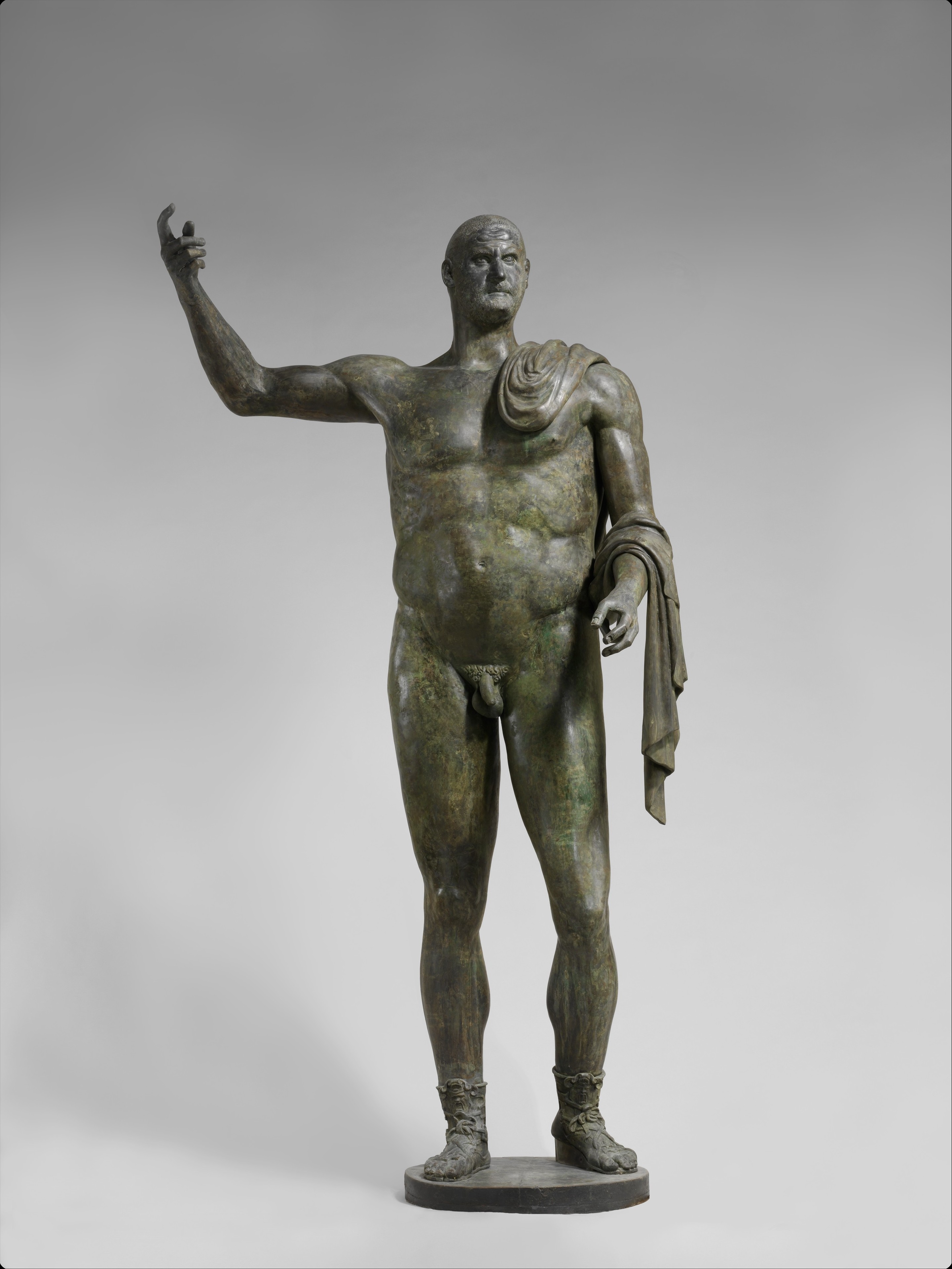
Unknown — "Bronze statue of the emperor Trebonianus Gallus" (251–253 CE), public domain
Time is not the problem — wasting it is.
Seneca, in On the Shortness of Life (De Brevitate Vitae, chapter 1), warns: «Non exiguum tempus habemus, sed multum perdidimus.» — “It is not that we have a short time to live, but that we waste a lot of it.” He called out everyone who claimed they were too busy for philosophy, then vanished into dinners and gossip.
A punch to the Roman schedule.
Seneca saw people chasing political office, applause, and money — complaining there wasn't enough time. But, he argued, we fritter away hours on what doesn't matter, then panic at the clock. For a Stoic, life is long enough, if you spend it wisely.
Philosophy in the face of Nero.
Seneca was a senator, exile, and forced suicide. He wrote these lines knowing real pressure — not as a luxury. His legacy is a dare: if Rome's busiest man could make time for wisdom, what’s our excuse?
Seneca’s Rome ran on urgent business and endless distraction — just like ours. He didn’t buy the excuse of the ‘short life.’ He attacked the squandered one.
