
Aeschylus, Playwright Who Brought War to the Stage
On his gravestone, he mentions not his plays, but the day he fought at Marathon—his scripts soaked in blood and memory.
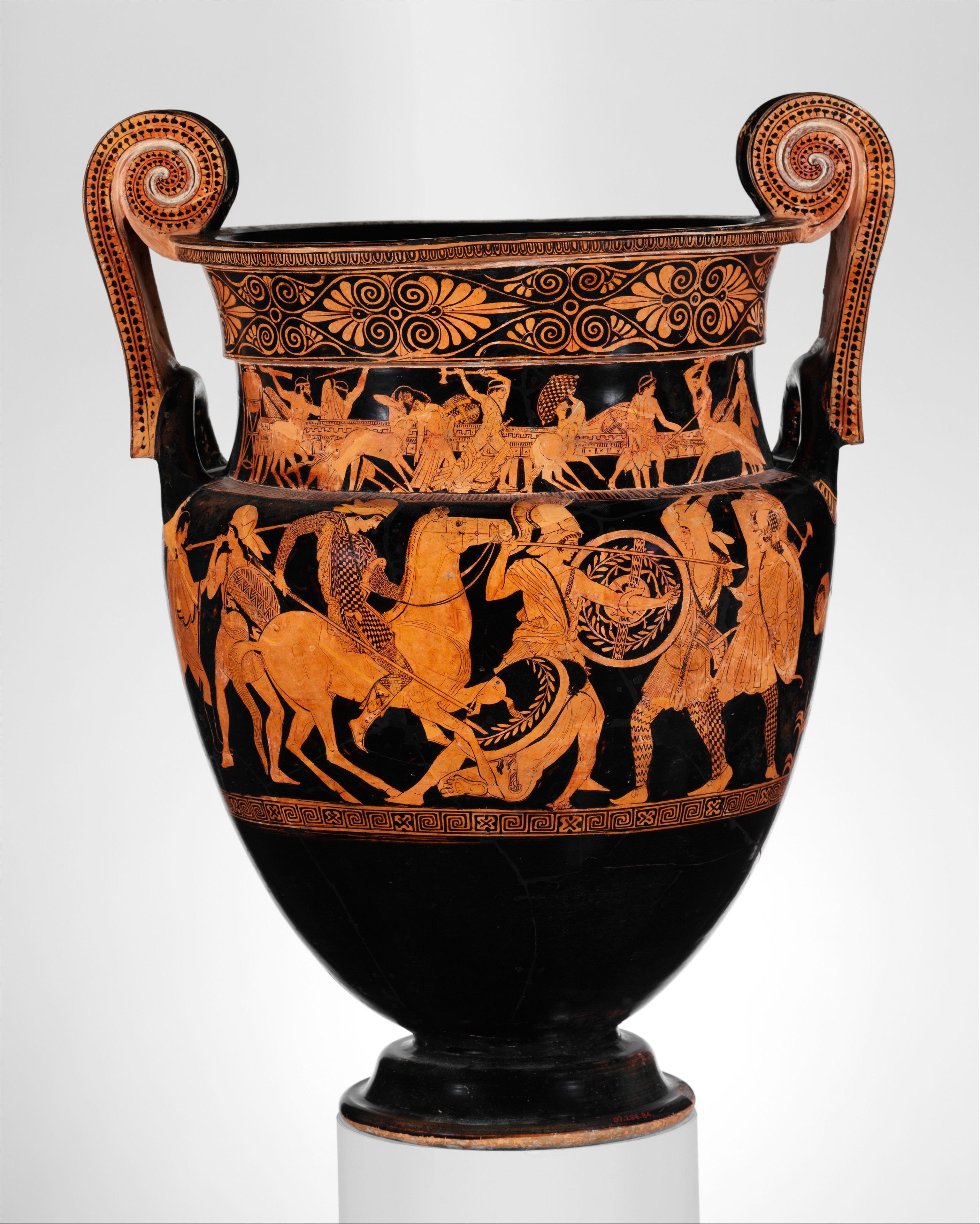
Painter of the Woolly Satyrs — "Terracotta volute-krater (bowl for mixing wine and water)" (ca. 450 BCE), public domain
A Grave Marker Like No Other
Aeschylus, father of tragedy, could have boasted of packed theaters and poetic prizes. Instead, his epitaph remembers only his shield, the Persian arrows, and the field at Marathon. The stage was never far from the battlefield.
War’s Shadow Over Art
His tragedies drip with dread—Agamemnon haunted by sacrifice, Persians weeping over defeat. Aeschylus puts the trauma of real bloodshed into the mouths of kings and captives. His audience knew the smell of battlefield smoke.
History in the Chorus
Long after the wounded healed, Athens still watched Aeschylus’ ghosts walk the stage. Some wounds, he knew, never close completely.
For Aeschylus, surviving battle was heavier than fame. His tragedies kept Athens haunted by its own scars.
