
Roman Emperors and Pyramids
Roman emperors did NOT build giant pyramids or secret tombs like the Pharaohs. Their tombs lined busy roads.
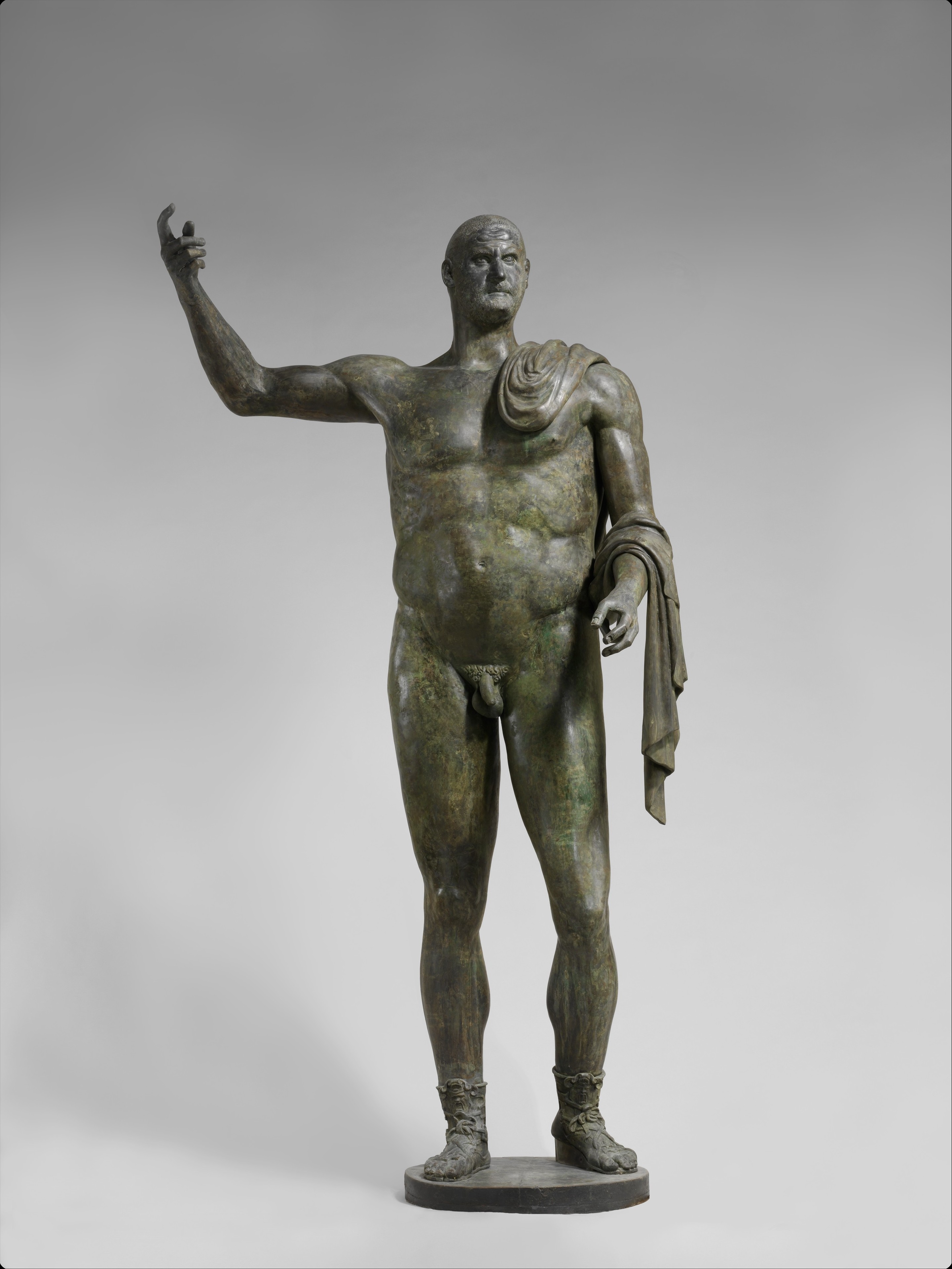
Unknown — "Bronze statue of the emperor Trebonianus Gallus" (251–253 CE), public domain
Myth: Emperors had hidden, grand tombs.
It sounds epic. Movie emperors are buried in vast pyramids or secret underground chambers—booby traps and hidden treasures to outdo Egypt. The truth? Roman rulers did death differently.
Reality: Tombs stood on display.
Romans wanted to be remembered, not hidden. Elite tombs like Cecilia Metella’s towered beside the Appian Way—a road packed with travelers. Some built mausolea; Augustus’s was a city landmark. No secret pyramids, no hidden treasure chambers. Just status, carved in stone.
Why the confusion?
Nineteenth-century travelers drew parallels to Egypt and Hollywood ran with it. But Roman funerary monuments were social statements—built for visibility, not mystery. The afterlife? That was for the crowds to witness, not for tomb robbers to dread.
Roman elites wanted their tombs seen by as many as possible—crowding the edges of the Via Appia with marble monuments and statues, not hiding them in the desert.
