
The Night Escape from Syracuse
In darkness, thousands of starving Athenians tried to vanish from Syracuse—silent, desperate, hunted.
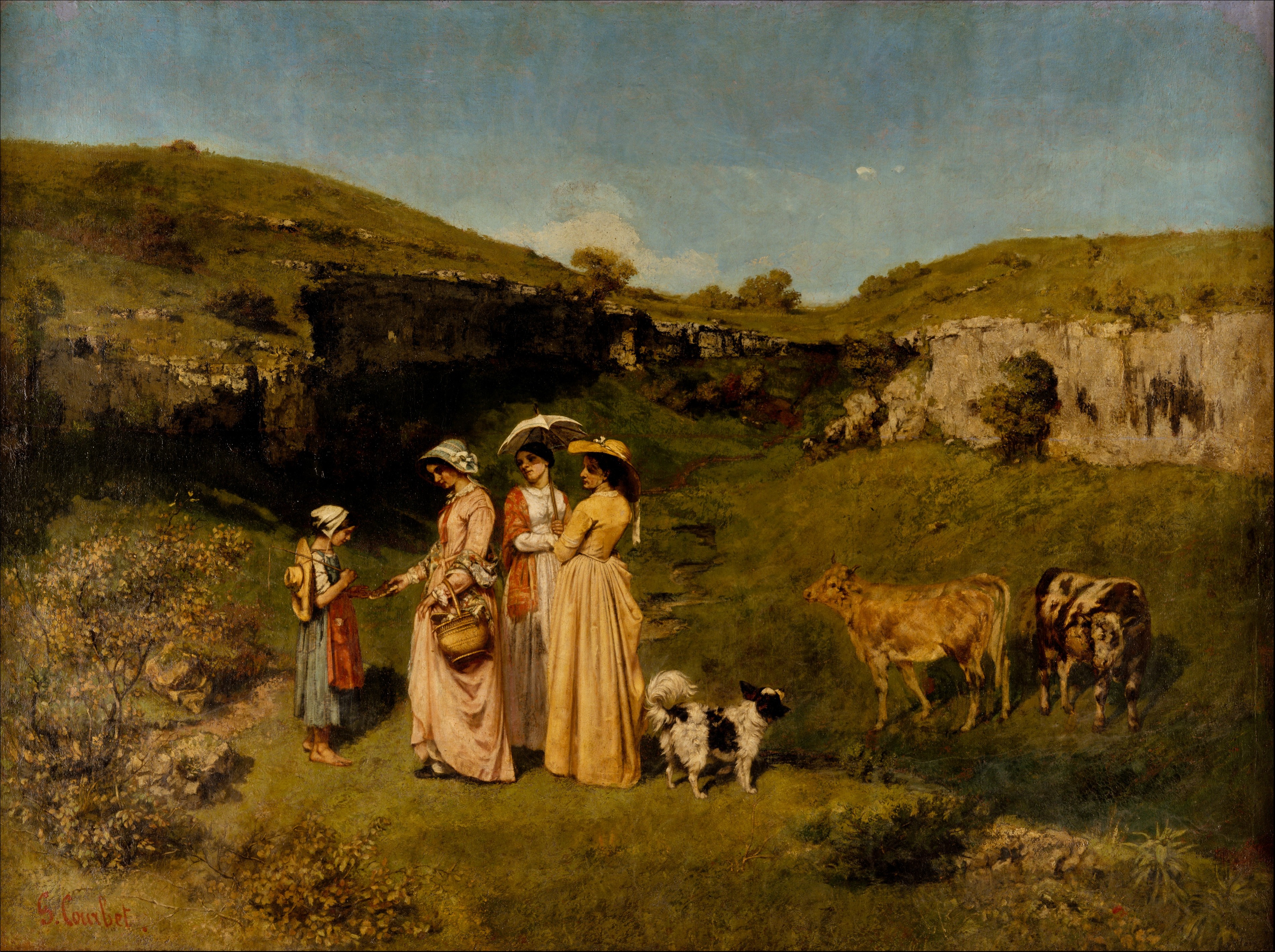
The Night Escape from Syracuse, public domain
Midnight on the shore.
After a year trapped in the harbor at Syracuse, the Athenian army was starving and desperate. On a moonless night in 413 BC, generals Nicias and Demosthenes ordered a silent retreat. No torches, no talking, no drums. Just the shuffle of thousands of feet in the dark.
A ghost army hunted.
Syracusan scouts caught the movement and sounded the alarm. What followed was chaos: Athenians, confused and exhausted, splintered in the night, cut down on muddy roads or herded into a killing ground between rivers. Thucydides paints it as the unraveling of a world power—one last, silent hope drowned in blood and mud.
Athens wakes up to a nightmare.
When word reached Athens, mothers tore at their veils in the street. Almost the entire expedition—tens of thousands—was dead or enslaved. Symposiums and city walls suddenly felt a lot less permanent.
The Athenian retreat from Syracuse became a panicked ghost march, their hopes drowned and butchered. For Athens, it was the bitter end of empire-sized dreams.
