
The Plague That Shattered Athens
While Sparta besieged the walls, an invisible enemy crept in — and killed a quarter of Athens in two years.
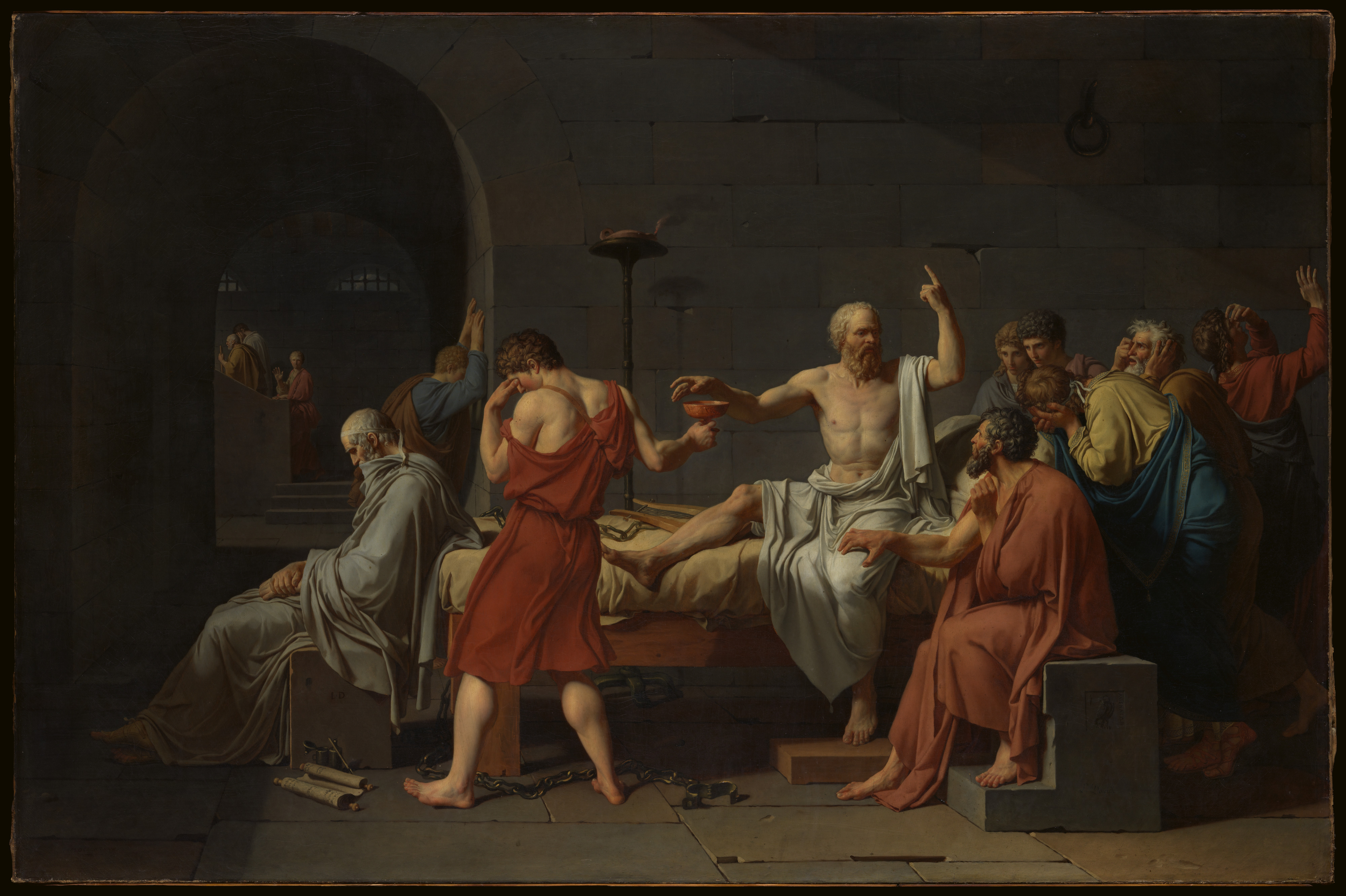
Jacques Louis David — "The Death of Socrates" (1787), public domain
Death Over the Walls.
In the second year of the Peloponnesian War, as Athenians crowded behind city walls to outlast Sparta, disease swept the cramped quarters. Red eyes, fever, desperate thirst — within days, families died together, bodies stacked in the streets.
When Society Unravels.
Athens lost Pericles, its general and visionary. Social order broke: funerals abandoned, laws ignored, survivors driven to wild pleasures or despair. Thucydides, who caught the plague but lived, described the horror — a world where gods seemed silent at last.
An Empire’s Turning Point.
Athens never truly recovered its confidence. The war dragged on, but the city’s spirit — and many of its greatest minds — had already been consumed. The plague did what Sparta’s army could not.
The plague upended the world’s freest city: leaders died, customs vanished, and faith in the gods cracked. Thucydides, who survived it, left a record more chilling than any epic war story.
