
The Plague that Shattered Athens
Bodies pile in the streets. Priests drop dead mid-prayer. The Athenian plague doesn’t care if you’re rich, poor, or even Pericles himself.
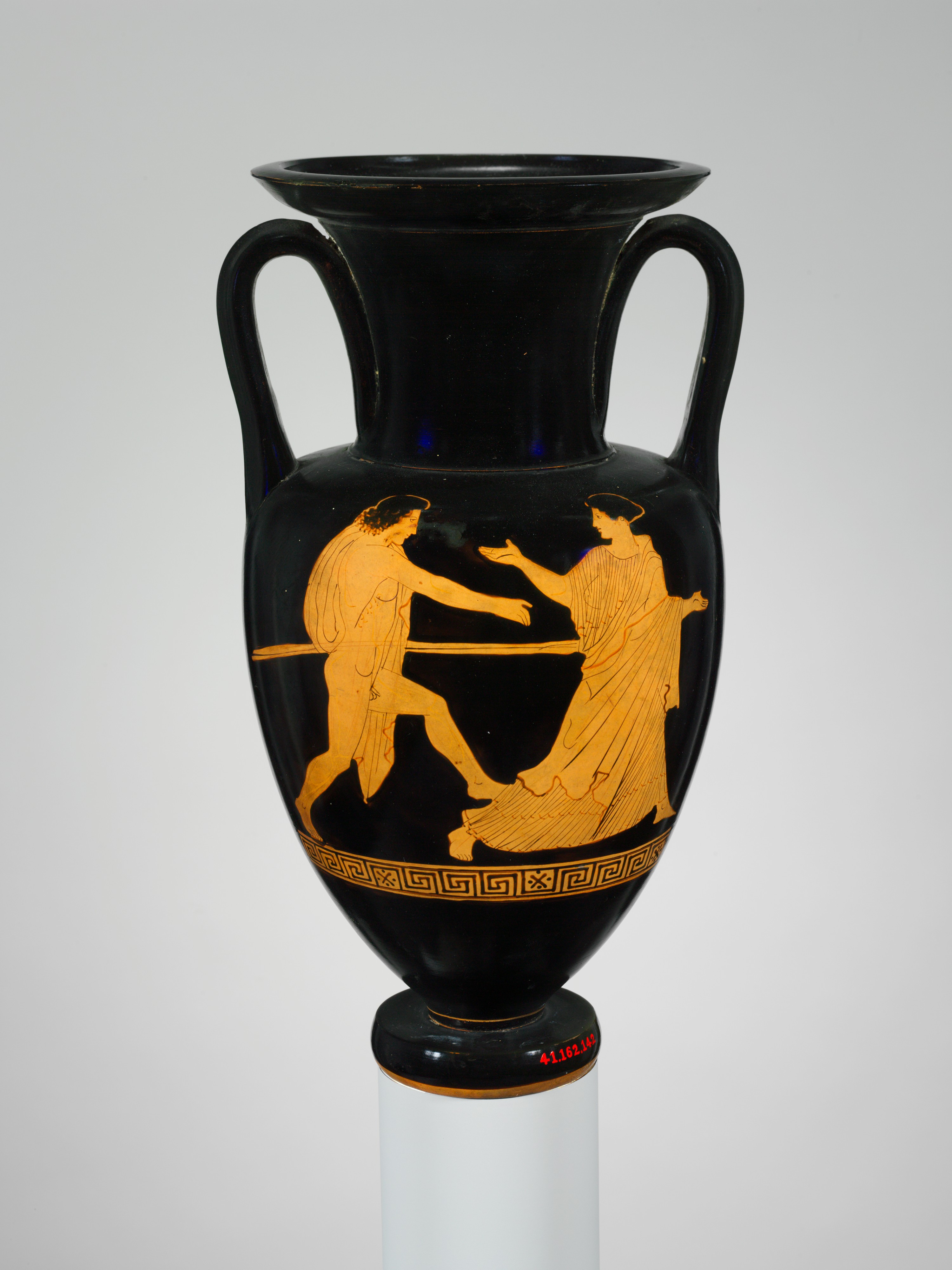
Phiale Painter — "Terracotta Nolan neck-amphora (jar)" (ca. 440–430 BCE), public domain
Death everywhere, hope nowhere.
Summer, 430 BC. The city is packed with refugees. Suddenly, fever, thirst, and bleeding gums spread like wildfire. Survivors haul corpses to mass graves. Temples overflow with bodies—priests die as fast as they bless.
Athens loses more than lives.
Even Pericles, Athens’ steady hand, succumbs. Thucydides, who survived, says law and custom collapse. People steal, drink, and despair. The enemy outside the walls is terrifying, but what’s inside is worse.
A city broken open.
When the plague finally fades, a quarter of Athenians are gone. The city’s spirit is shattered. The real scars of the war aren’t left by Spartan spears, but by a sickness that no shield could stop.
The plague tore through Athens during the Peloponnesian War, killing a quarter of the population—including its greatest leader—and leaving the city dazed, leaderless, and desperate.
