
Spartan Literacy and Culture
We picture Spartans as muscle-bound warriors who sneered at books and culture. Barely literate, right?
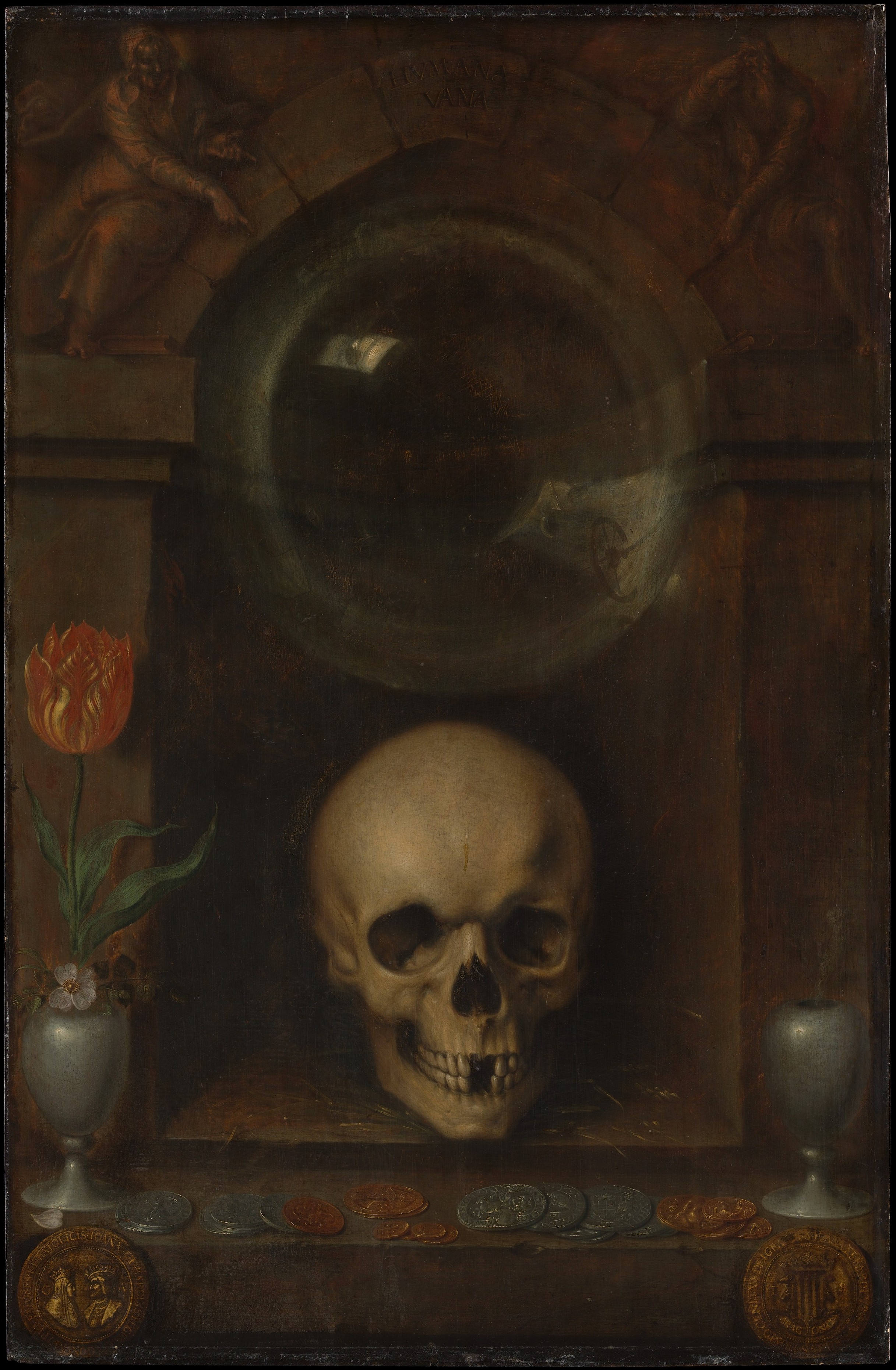
Jacques de Gheyn II — "Vanitas Still Life" (1603), public domain
Spartans hated reading?
You’ve heard it: Spartans had no time for art, poetry, or learning—just drills and battle. Their education was about pain, not poetry. They could barely write their own names, right?
The witty warriors of Greece.
In reality, Sparta was famous for its sharp, biting speech—so admired that 'Laconic' became a byword for clever brevity. Spartan boys memorized poetry from Alcman and Tyrtaeus. Even Plato admired their choral songs, and major Greek festivals featured Spartan poets and musicians.
How did the myth take hold?
Later Athenians and Roman writers loved the image of dumb, muscle-bound Spartans—a handy contrast to their own intellectual glories. But archaeology has turned up inscribed dedications, official decrees, and poetry from Sparta itself.
Spartans were famous for their poetry and wit—Laconic sayings, choral songs, and even literary competitions. They prized concise, sharp speech and loved to show off their wordplay as much as their muscle.
