
The Myth of Spartan Open Rule
You picture Sparta as a city of warriors enforcing order face-to-face: shields, spears, and blunt honesty. But behind the scenes, the real power moved in the dark.
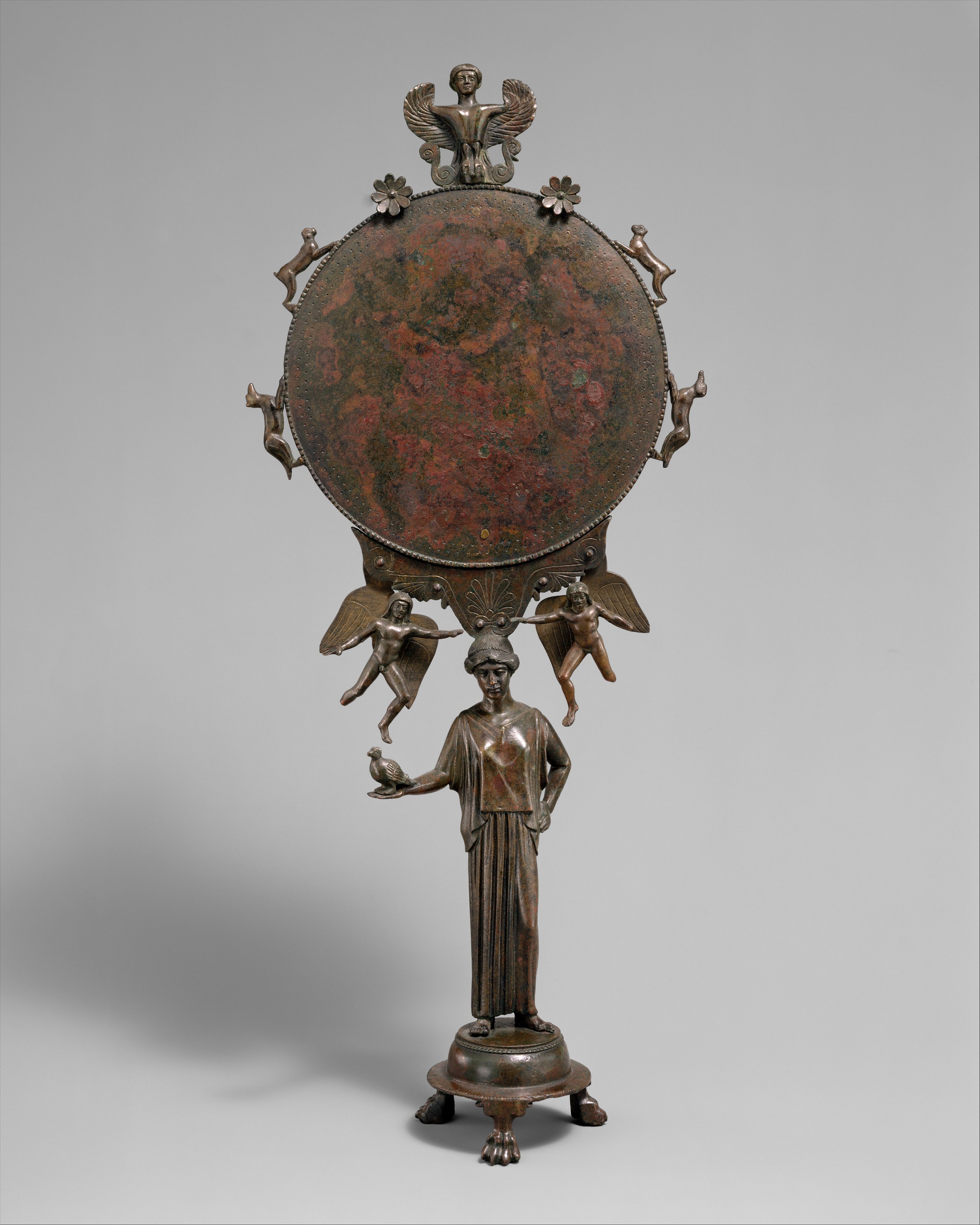
Unknown — "Bronze mirror with a support in the form of a draped woman" (mid-5th century BCE), public domain
Spartan Rule: Always Direct?
Spartans, the myth goes, ruled with blunt force and open discipline—no secrets, no hidden daggers. Just warriors, laws, and open threats. Discipline by daylight, enforced in the public square.
The Krypteia: Sparta’s Shadow Hand
But ancient texts describe the krypteia—a secret band of young Spartan elites who prowled the countryside at night, knives in hand. Their job? Intimidate and even assassinate helots, the oppressed farming class that outnumbered citizens.
Who Invented the Myth?
The romantic image of Spartans as honest, daylight rulers blossomed in later centuries—especially Victorian Britain. The reality: Sparta was equal parts police state and barracks, its order held together by fear.
Spartan stability depended on a secret police force called the krypteia—young men who spied on, and sometimes killed, helots at night. A shadow state lurked beneath all that bronze.
