
Spartan Iron Currency — Not the Whole Story
No, ancient Spartans did not use heavy iron bars as their only money, carrying bundles of scrap metal to market.
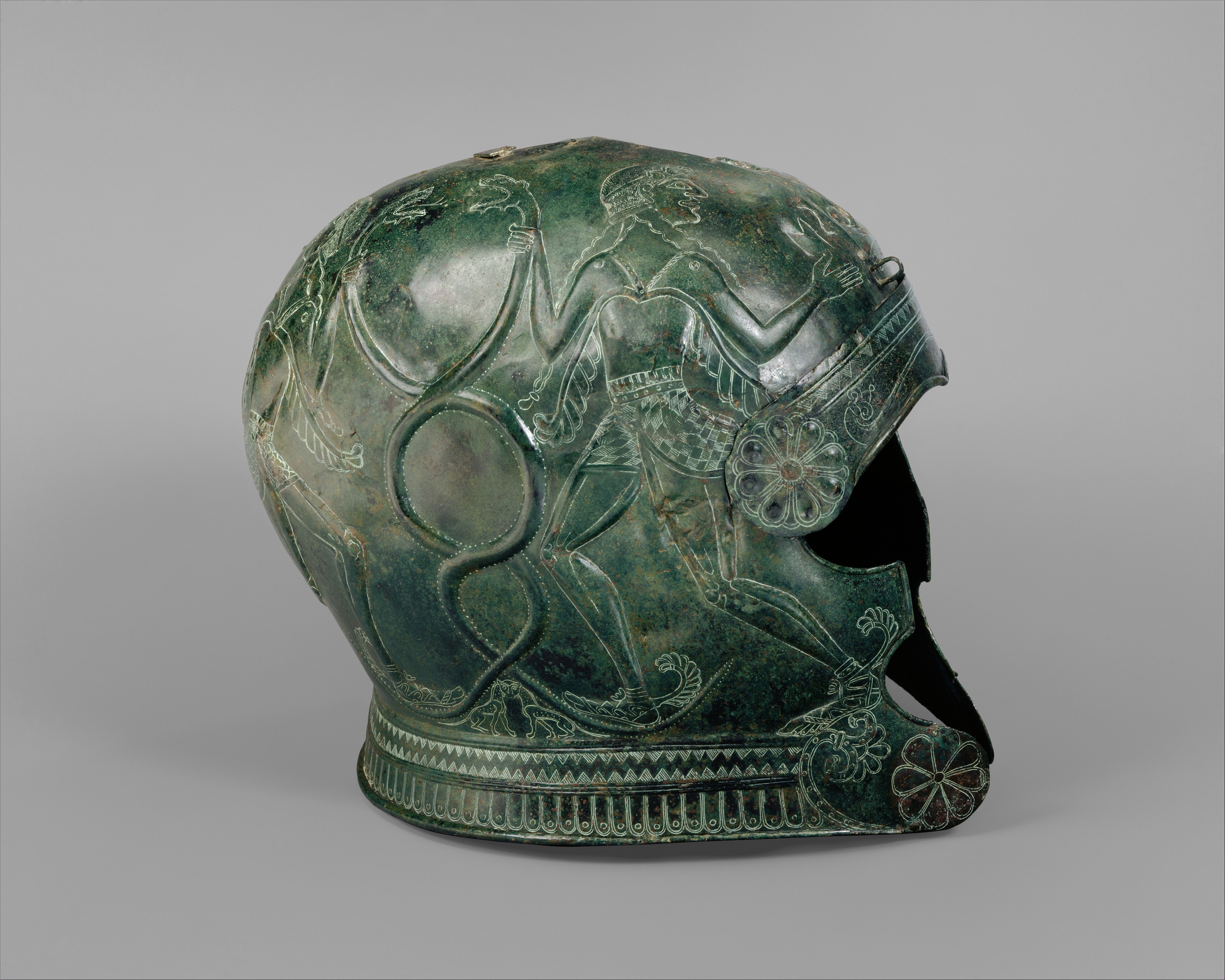
Unknown — "Bronze helmet" (late 7th century BCE), public domain
Did Spartans lug iron bars as cash?
School legends say Spartans banned gold and silver, trading only in clunky iron 'spits.' Supposedly, this kept everyone equal and killed greed. It’s the kind of story that sticks, and it’s in nearly every textbook.
Spartan markets ran on silver coins.
Archaeologists have found silver coins from Sparta’s own mint, dated to at least the 5th century BCE. There’s no evidence anyone dragged iron bars to buy an onion or a jug of wine. The state may have discouraged precious metals in official deals, but ordinary Spartans slipped silver across the table all the same.
An invention to boost Spartan reputation.
The story of iron money comes from later writers — especially Plutarch — who loved casting Sparta as ultra-virtuous and anti-wealth. The idea was to make the Spartans look pure and untempted by luxury, even if real Spartan wallets told a different story.
Archaeological evidence shows Spartans used silver coins in private transactions, despite the myth of a 'moneyless' Sparta. The iron currency story was mostly propaganda — a tale of virtue broadcast to the other Greeks.
