
Seneca on Kindness
"Whoever receives a benefit should never forget it; whoever bestows should never remember." — Seneca understood favors could twist into chains, so he sharpened the rules for mercy.
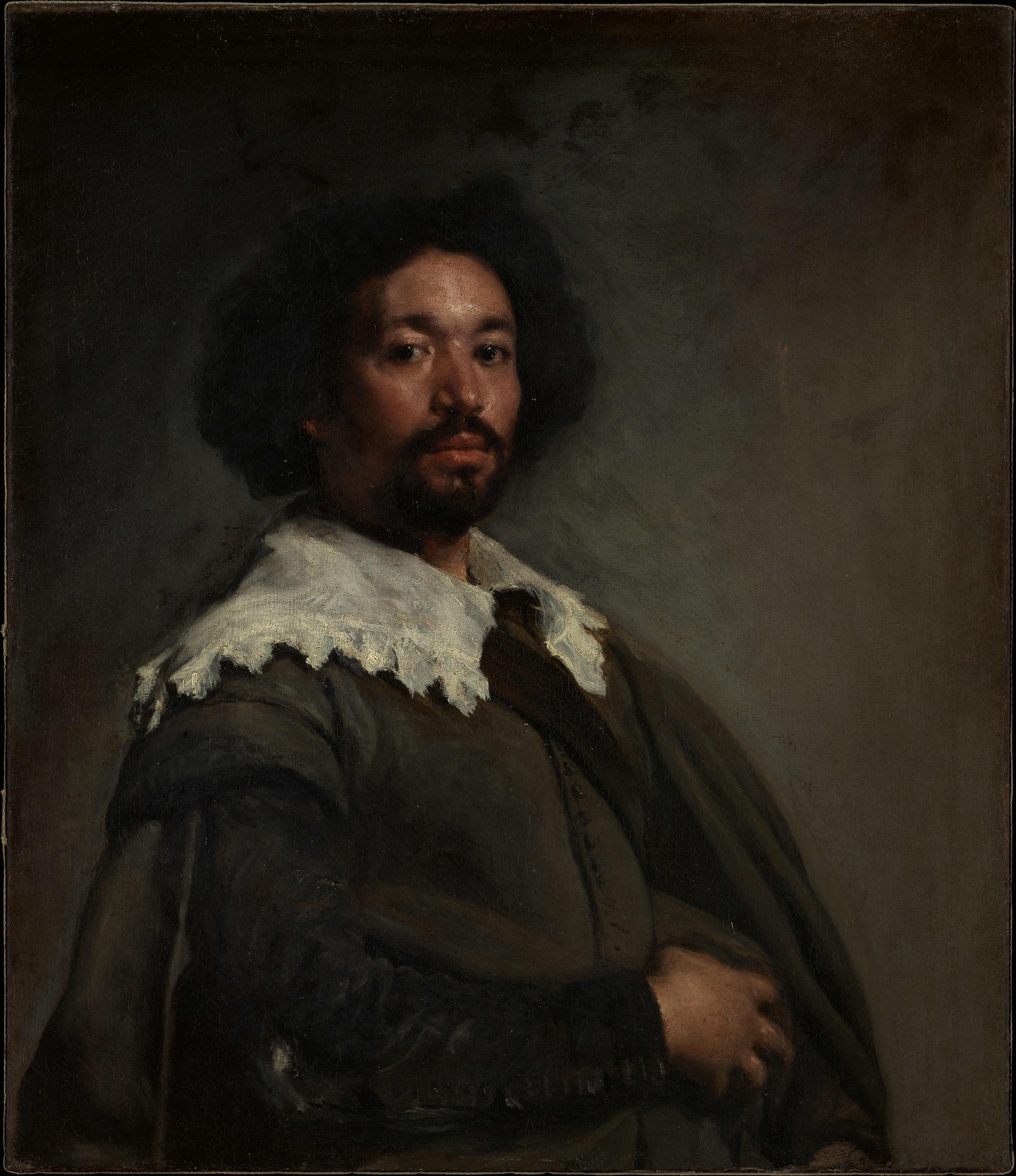
Seneca on Kindness, public domain
Seneca’s rule for giving and receiving.
Seneca, in De Beneficiis (Book II), writes: «Beneficium qui accepit tacitus meminisse debet, qui dedit statim oblivisci.» — «Whoever receives a benefit should never forget it; whoever bestows should never remember.» In an empire locked tight by favors and obligations, he drew a line: kindness dies when you demand payback.
What Seneca really meant.
Seneca knew favors in Rome had strings as thick as ropes. His rule was defensive—protecting both your dignity and your peace. A truly good deed lives only in the receiver’s memory, not the giver’s ledger. Once you start keeping score, you poison the act itself.
Seneca’s credentials: mercy under a tyrant.
Seneca wasn’t just a philosopher—he was Nero’s adviser, sometimes his shield, sometimes his scapegoat. He survived exiles, conspiracies, and a forced suicide. Through it all, he kept writing on mercy and generosity—the hardest lessons for a man so often owed and so rarely repaid.
Seneca draws a hard line between generosity and keeping score. He warns that real kindness expects nothing in return, and real gratitude never fades. Rome was a city built on debts, but for Seneca, the only enduring currency was decency.
