
Lead Poisoning Didn’t Destroy Rome
The fall of Rome wasn’t caused by lead in their pipes—and most Romans didn’t even drink water from them.
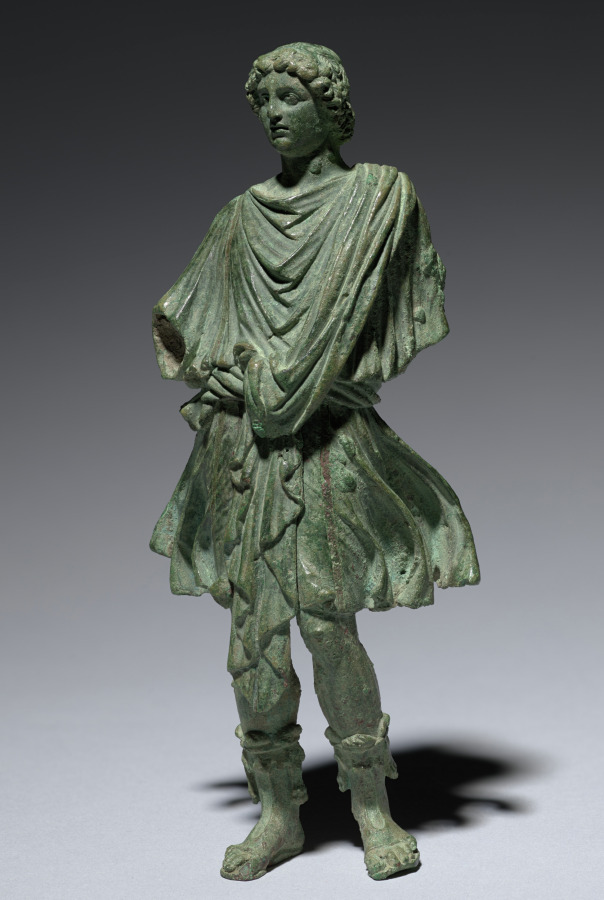
Unknown — "Lar" (1–25 CE), CC0
Rome fell to lead poisoning?
It’s a classic myth: emperors and citizens drinking from lead pipes, slowly poisoning themselves into madness and ruin. You’ll see it in documentaries and hear it at parties. But Rome’s collapse had far messier causes.
Science clears the pipes.
Roman aqueducts ran with clean water, and when pipes contained lead, mineral deposits quickly coated the metal, blocking most of the poison. Most people drank from public fountains and wells. Modern studies of bones show lead exposure, but nowhere near the levels needed to wipe out an empire.
How did the myth start?
Victorian writers loved a moral lesson about decadence. In the 20th century, modern worries about pollution gave the theory new life. The real killers? Plague, war, and politics—not plumbing.
Recent chemical analysis of Roman skeletons and water systems shows lead exposure was real, but not catastrophic. Epidemics, war, and economics did more damage than the pipes ever did.
