
Romans Had Glass Windowpanes
Step inside a wealthy Roman house and sunlight slants through thin, greenish glass windows—over 1,800 years before double glazing.
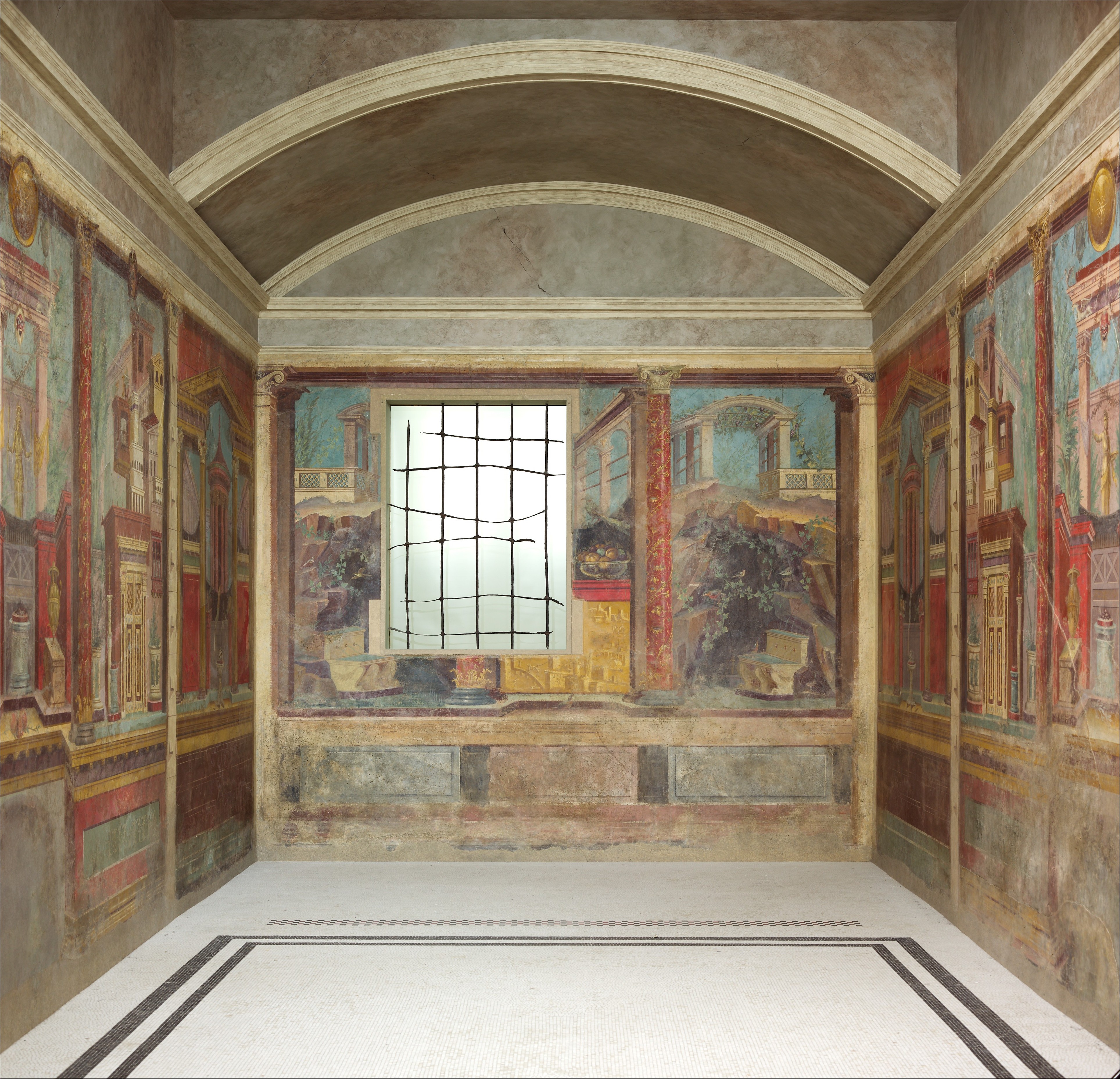
Unknown — "Cubiculum (bedroom) from the Villa of P. Fannius Synistor at Boscoreale" (ca. 50–40 BCE), public domain
Sunlight Through Roman Glass
Wealthy Romans didn't just open shutters—they looked through real glass windows. Step into a Pompeian villa and sunlight drifts in through cloudy, green-tinted panes.
Archaeology Proves It
Excavations at Pompeii, Herculaneum, and Roman Britain turned up thick sheets of cast window glass. It was uneven and often tinged blue or green, but it did the job—letting in light and blocking wind. The not-so-rich? They made do with wood, cloth, or just braced themselves.
Long before medieval castles, wealthy Romans fitted their homes with real glass panes. Archaeologists have found sheets of cast window glass in Pompeii, Herculaneum, and even in distant Roman Britain. The glass was thick, uneven, and often tinted green or blue, but it let in light and kept out wind. Most people had to settle for shutters or thin stone, but the rich literally looked out through glass.
