
Tombstone Curses to Defend the Dead
A Roman tombstone warns: whoever messes with this grave, may the gods rot their bones.
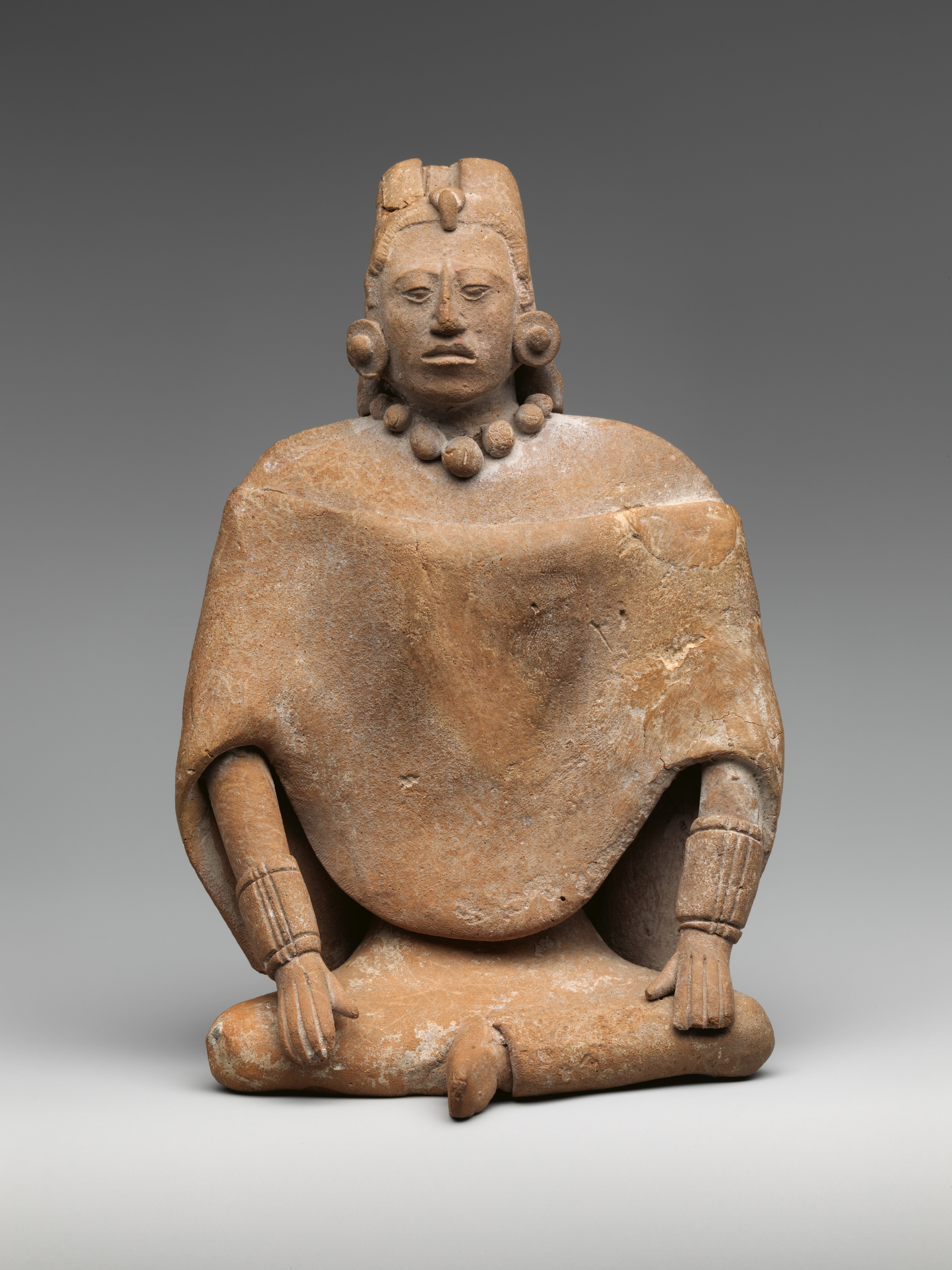
Maya artist(s) — "Seated female figure" (700–800 CE), public domain
Cursed Tombstones in Ancient Rome
A Roman tombstone warns: whoever messes with this grave, may the gods rot their bones. The message isn’t metaphorical—stone after stone, archaeologists have found threats and curses carved beside the names of the dead.
Supernatural Security for the Afterlife
Romans believed even in death, you had to defend yourself. Family tombs might call down demons, madness, or the wrath of underworld gods on any would-be grave robber. Some stones threaten legal curses, others promise nightly hauntings.
Romans sometimes engraved deadly curses onto their family tombs—calling down demons, plague, or madness on any grave robber or rival. Archaeologists have found tombstones across the empire that threaten violators with haunting, legal vengeance, or the wrath of underworld gods. Death didn’t end the need for protection—in Rome, even the grave came with a side of supernatural security.
