
Roman Surgeons’ Toolkits Rival Modern Kits
Surgeons in Pompeii carried scalpels, forceps, and bone drills—bronze, but instantly recognizable.
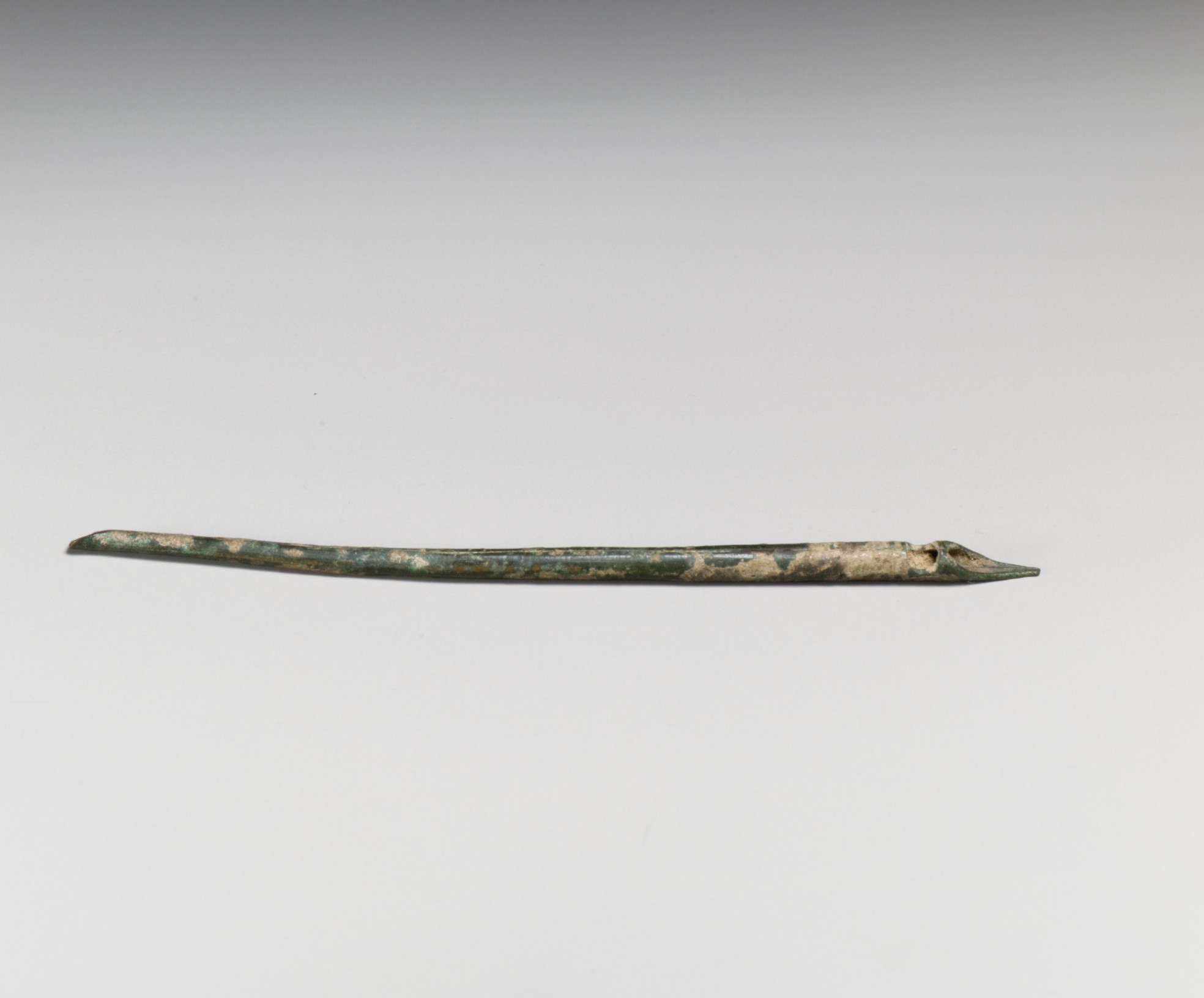
Unknown — "Bronze stylus" (1st‒2nd century CE), public domain
Bronze Tools, Modern Shapes
In the ruins of Pompeii, archaeologists found a doctor’s kit: rows of knives, tweezers, and even vaginal speculums. Each tool fits in the hand. Some could pass for modern stainless steel—except for the patina of centuries.
Ancient Surgery, Real Risks
Roman surgeons operated in daylight, on wooden beds, and with no real painkillers. Yet their tools let them remove tumors, repair broken bones, and even perform cataract surgery—testimony to skill and nerve, not just luck.
Archaeologists have uncovered entire sets of Roman surgical instruments from medical houses in Pompeii, preserved under ash: scalpels, bone saws, forceps, speculums, even delicate hooks and needles. Some resemble those used today. Roman surgeons cut cataracts, removed bladder stones, and tied arteries—centuries before modern anesthesia.
