
On This Day: The Dog Days Grind On
Mid-July in Rome: Sirius, the 'Dog Star,' blazes overhead—Romans call this the dies caniculares, the heart of the dog days.
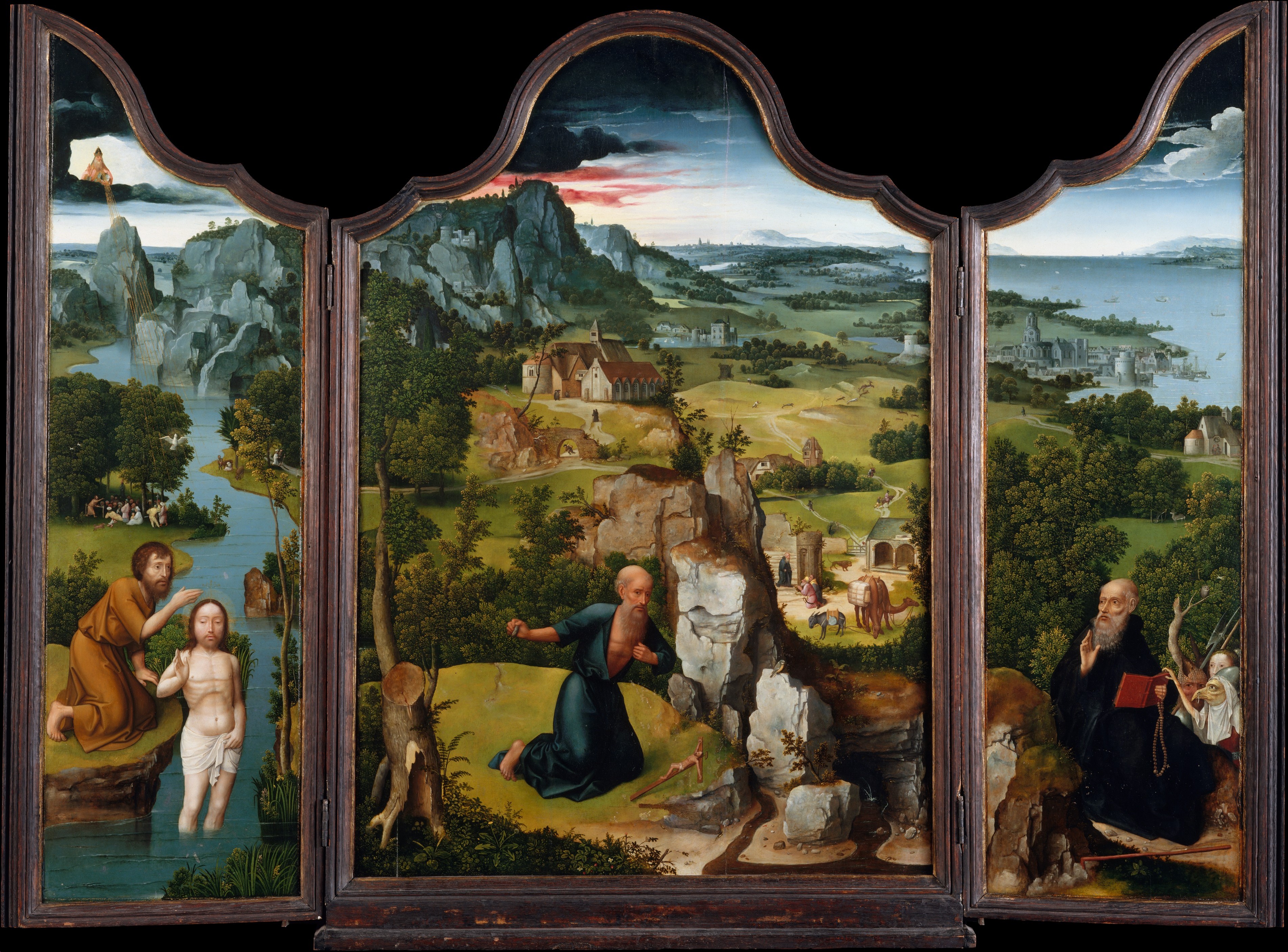
Joachim Patinir — "The Penitence of Saint Jerome" (ca. 1515), public domain
When the Dog Star scorched the sky.
By mid-July, Romans watched for Sirius, the Dog Star, rising at dawn. Its blazing presence marked the dies caniculares—the most sweltering, dangerous stretch of the year. People blamed the heat for everything from fevers to fights in the street.
Superstition and survival on the summer streets.
Doctors warned that wounds festered faster in this heat. Pregnant women stayed out of the sun. Even dogs were thought to go mad. The city slowed, tempers ran short—and everyone hoped the gods would spare them the worst that summer could bring.
With heat thick as soup, tempers flare and tempers snap—Romans believed the dog days brought fever, madness, and short fuses.
